Conquering Mount Payer: Highest Summit of the Polar Urals – Routes & Weather
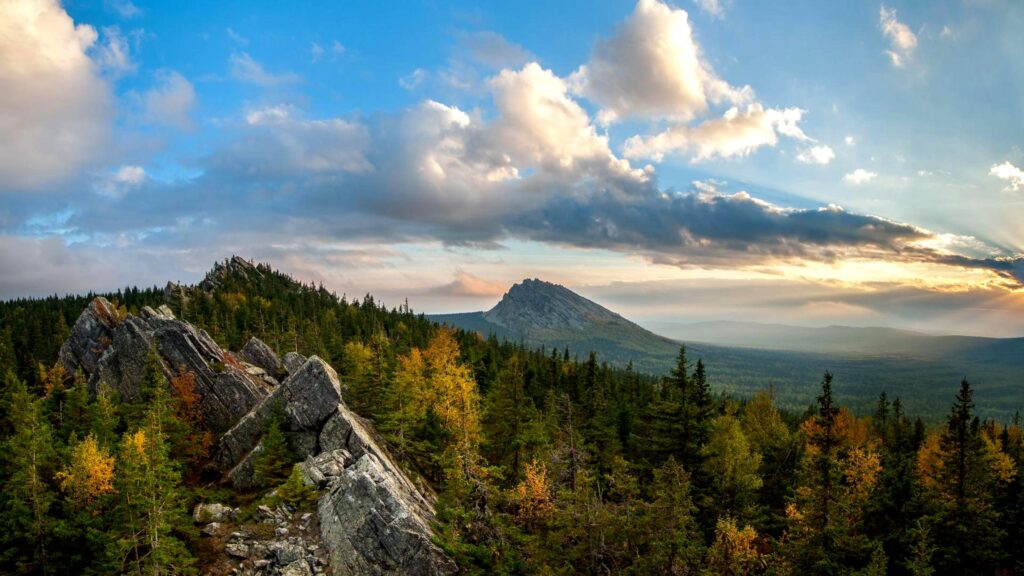
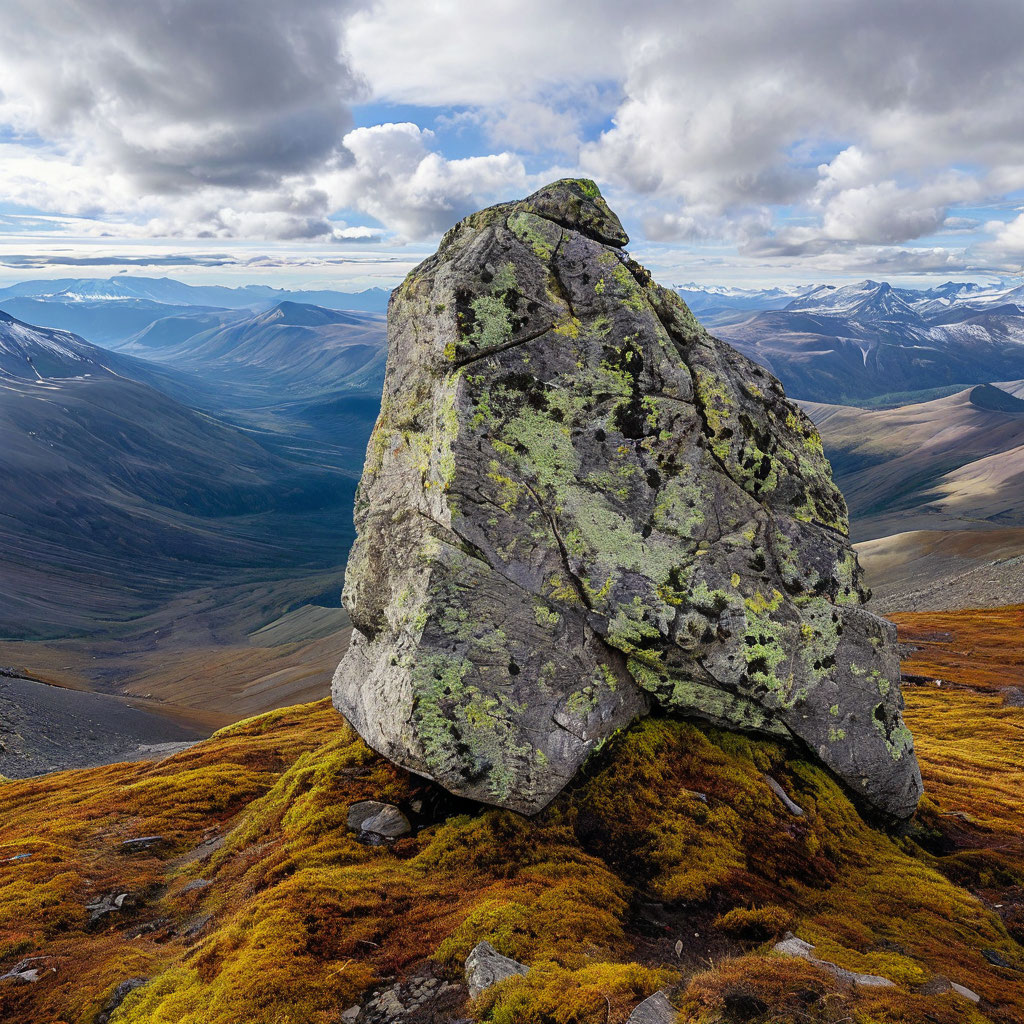
Imagine standing atop a rugged peak, the Arctic wind brushing against your face, and a panoramic view of untouched tundra stretching endlessly before you. This is the experience awaiting you at Mount Payer, the highest summit of the Polar Urals. Let’s embark on a journey to discover this majestic mountain, its accessible routes, and the weather patterns that shape your adventure.
Quick Facts About Mount Payer
- Elevation: 1,472 meters (4,829 feet)
- Location: Yamalo-Nenets Autonomous Okrug, Russia
- Mountain Range: Polar Urals
- Prominence: 1,153 meters
- Isolation: 213.9 kilometers
- Nearest Settlements: Yeletsky, Kharp, Labytnangi
- Origin of Name: “Pai/er” in Nenets language, meaning “rock/master”
Embarking on the Journey: Routes to Mount Payer
Reaching the summit of Mount Payer is a thrilling endeavor, and several routes offer unique experiences:
1. From Yeletsky
Begin your adventure in Yeletsky, a settlement known for its proximity to the mountain. This route is favored by many hikers for its accessibility and well-marked paths. The journey offers a gradual ascent, allowing you to acclimate to the altitude and enjoy the surrounding landscapes.
2. From Kharp
Kharp provides another gateway to Mount Payer. This route is slightly more challenging, with steeper inclines and diverse terrain. Along the way, you’ll traverse dense forests and cross clear streams, immersing you in the rich biodiversity of the region.
3. From Labytnangi
Labytnangi, situated along the Taz River, offers a longer approach to the mountain. This path is less frequented, providing a sense of solitude and a deeper connection with nature. The route includes traversing the tundra, where you might encounter herds of reindeer and observe the unique flora of the Arctic.
Understanding the Weather: Best Time to Visit
The weather in the Polar Urals is a crucial factor in planning your ascent. Here’s what you need to know:
Summer (June to August)
Summer is the most favorable time to hike Mount Payer. The temperatures range from 5°C to 15°C (41°F to 59°F), and the days are long, with the midnight sun illuminating the landscape. This season offers the best conditions for trekking, with accessible trails and abundant daylight.
Autumn (September to October)
Autumn brings cooler temperatures and shorter days. While the fall colors paint the tundra in hues of red and gold, the weather can be unpredictable, with occasional snowfall. This season is less popular among hikers due to the harsher conditions.
Winter (November to March)
Winter in the Polar Urals is harsh, with temperatures often dropping below -20°C (-4°F). The days are short, and the region is enveloped in darkness for extended periods. Snow and ice make the trails treacherous, and only experienced mountaineers should consider this season.
Essential Gear for Your Expedition
Equipping yourself with the right gear is vital for a safe and enjoyable hike. Here’s a checklist to guide you:
- Clothing: Layered clothing system, waterproof and windproof outer layers, thermal base layers, insulated jacket, and durable hiking boots.
- Navigation: Detailed maps, compass, and GPS device.
- Safety: First aid kit, multi-tool, whistle, and headlamp with extra batteries.
- Camping: Lightweight tent, sleeping bag rated for low temperatures, and portable stove.
- Food and Water: High-energy snacks, water purification system, and sufficient water containers.
- Miscellaneous: Trekking poles, camera, and a journal to document your journey.
Final Thoughts: Your Adventure Awaits
Conquering Mount Payer is more than just reaching a summit; it’s about immersing yourself in the raw beauty of the Arctic wilderness. The Polar Urals offer a unique blend of challenge and serenity, making it a must-visit destination for adventure enthusiasts. So, pack your gear, plan your route, and get ready to create memories that will last a lifetime. Your Arctic adventure awaits!
