
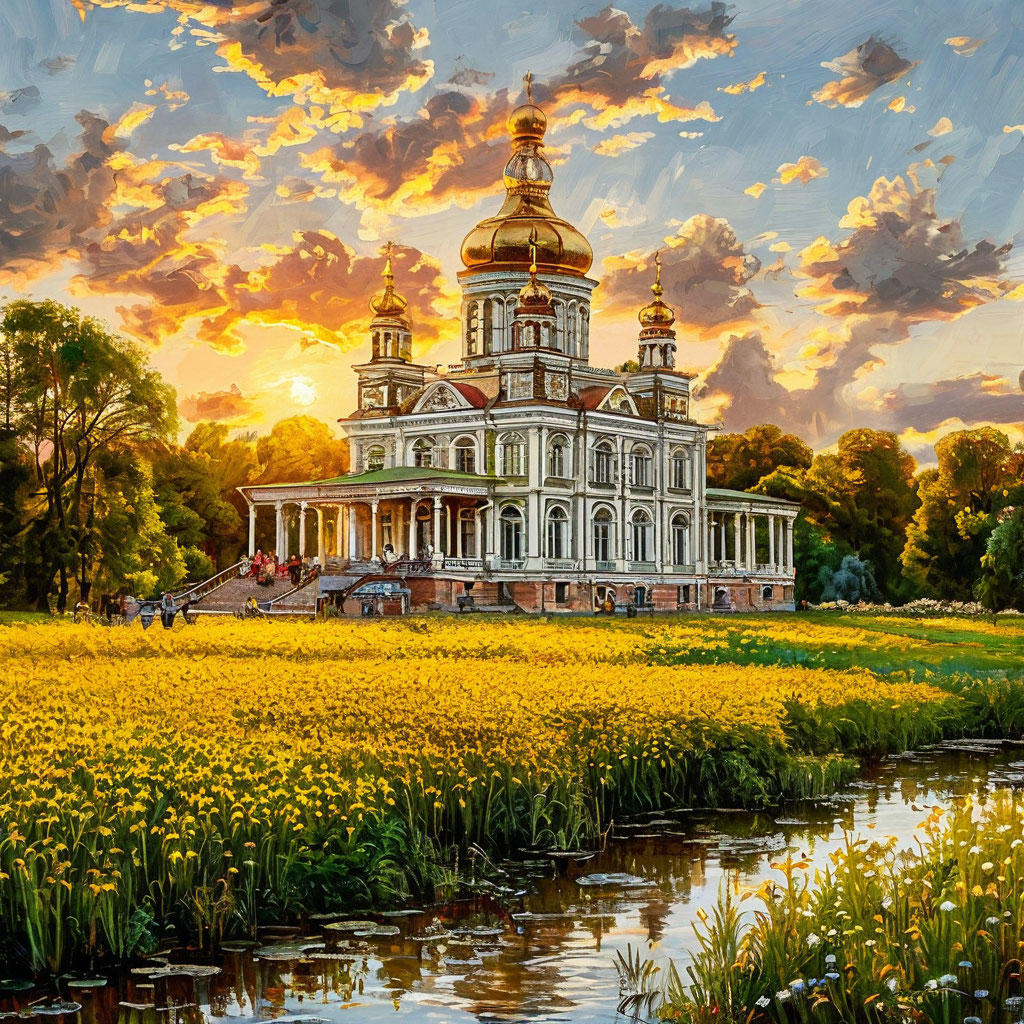
The Stroganov Salt Empire: How Solikamsk Sparked Ural Colonization
Imagine a time when the vast expanse of Russia’s Ural Mountains was a frontier, untouched and brimming with potential. In the 16th century, this rugged terrain beckoned explorers and entrepreneurs. Among them, the Stroganov family stood out, not just as wealthy merchants, but as pioneers who transformed the Urals into a thriving hub of industry and culture. Their journey, especially through the salt-rich town of Solikamsk, set the stage for a new era of Russian colonization.
The Rise of the Stroganovs
The Stroganov family’s origins trace back to the 14th century, with Spiridon, a merchant from Veliky Novgorod. Over generations, they amassed wealth and influence, becoming prominent figures in Russia’s economic landscape. By the 16th century, they had established themselves as leading salt industrialists, particularly in the Solvychegodsk region. Their saltworks were among the largest in Russia, supplying the nation with this essential commodity.
Solikamsk: The Salt Heart of Russia
In 1430, the town of Solikamsk emerged as a significant center for salt extraction. Its name, derived from “соль” (salt) and “Кама” (Kama River), reflects its deep connection to the salt trade. The town’s strategic location along the Kama River made it a pivotal point for transporting salt, not just within Russia but also to neighboring regions. By the 17th century, Solikamsk had become synonymous with salt production, with the Stroganovs at its helm, overseeing extensive saltworks that were the backbone of Russia’s salt industry.
The Stroganovs’ Expansion into the Urals
In 1558, Tsar Ivan the Terrible granted Anikey Stroganov and his descendants vast estates along the Kama and Chusovaya Rivers, marking the eastern frontier of Russian settlement. This royal favor wasn’t just about land; it was a call to action. The Stroganovs were entrusted with the task of developing these territories, which were sparsely populated and rich in resources. Their mission was clear: to cultivate the land, establish settlements, and integrate these regions into the Russian state.
To achieve this, the Stroganovs employed a multifaceted strategy. They initiated large-scale migrations, bringing Russian peasants to settle in the Urals. This influx transformed the demographic landscape, introducing new agricultural practices and fostering economic growth. The Stroganovs also established fortified towns and military outposts, ensuring the safety of these settlements and asserting Russian dominance over the indigenous populations. Their private army, known as the “druzhina,” played a crucial role in maintaining order and suppressing any resistance.
Economic and Cultural Transformation
The Stroganovs’ influence wasn’t limited to military and settlement efforts. They were instrumental in developing various industries in the Urals. Beyond salt production, they ventured into mining, establishing ironworks and other metallurgical enterprises. This industrial expansion laid the foundation for what would later be termed the “Ural mining civilization,” a period marked by rapid growth in mining and metallurgy, making the Urals a global center for these industries.
Culturally, the Stroganovs were patrons of the arts and education. They built churches, schools, and cultural institutions, fostering a rich cultural environment in the region. Their support attracted artists, scholars, and craftsmen, turning the Urals into a melting pot of Russian culture and innovation.
The Legacy of the Stroganov Salt Empire
The Stroganovs’ endeavors in Solikamsk and the broader Ural region had lasting impacts. Their efforts not only integrated the Urals into the Russian state but also set the stage for future expansion into Siberia. The infrastructure they established, the industries they developed, and the cultural institutions they supported created a foundation that would support Russian colonization efforts for centuries to come.
Today, the legacy of the Stroganov Salt Empire is evident in the cities and towns that dot the Ural landscape. Solikamsk, once a modest salt-producing town, stands as a testament to their vision and determination. The saltworks they established, some of which have been preserved as museums, offer a glimpse into the industrious spirit that drove the region’s development.
As you explore the Urals, consider the rich tapestry of history woven by the Stroganovs. Their story is not just about salt and industry; it’s about vision, resilience, and the transformative power of human endeavor. The Urals, with their rugged beauty and rich history, continue to tell the tale of a family whose ambitions helped shape the destiny of a nation.
