
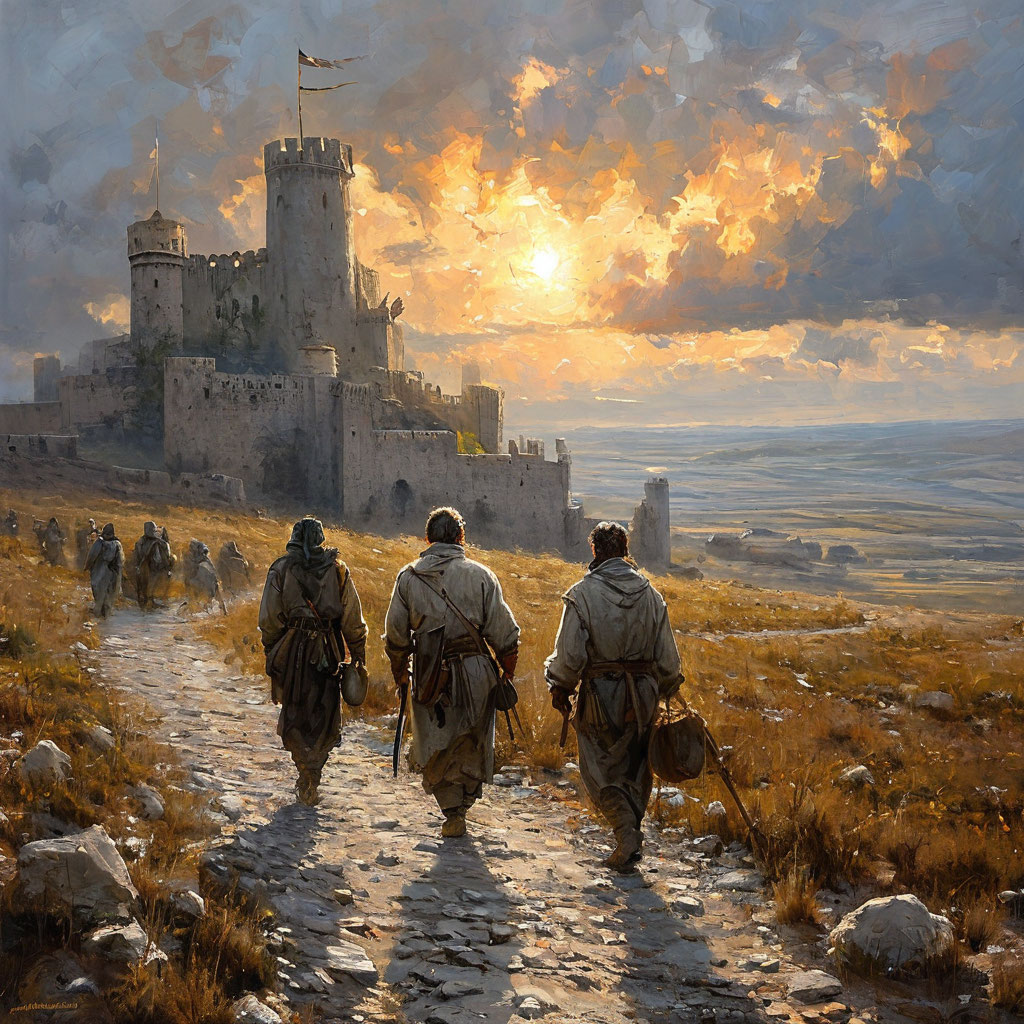
Sol’-Iletsk Fort: The Gateway to the Orenburg Line and the Salt Trade Frontier
Imagine a time when the vast expanse of the Russian Empire was a tapestry of untamed wilderness, where the whispers of ancient trade routes echoed through the steppes. Nestled on the right bank of the Ilek River, just 77 kilometers south of Orenburg, lies a town that has been a silent witness to centuries of history—Sol’-Iletsk. This unassuming settlement, with its arid, sharply continental climate, has a story that intertwines with the very fabric of Russia’s expansion and its thirst for salt.
The Birth of a Fortress
In the mid-18th century, the Russian Empire embarked on a monumental project to secure its southern borders and assert its dominance over the vast Eurasian steppe. This endeavor led to the construction of the Orenburg Line—a formidable chain of forty-six forts designed to shield Russian territories from the incursions of the Kazakh and Dzungar tribes. Among these bastions, Sol’-Iletsk emerged as a pivotal stronghold, strategically positioned to control the flow of goods and people across the region.
The Salt Connection
But what made Sol’-Iletsk truly unique was its proximity to one of the most coveted resources of the time: salt. The town’s name, “Sol’-Iletsk,” translates to “Salt Iletsk,” a testament to the rich salt deposits that lay beneath its soil. This mineral treasure transformed Sol’-Iletsk into a bustling hub for salt extraction and trade, drawing merchants and traders from distant lands eager to tap into this valuable commodity.
Life on the Frontier
Life in Sol’-Iletsk during the 1750s was a blend of military discipline and commercial hustle. The fortifications not only served as a defense against potential threats but also as a symbol of Russian resilience and ambition. Within the fort’s walls, soldiers and settlers coexisted, their daily routines intertwined with the rhythms of the salt trade. The extraction process was labor-intensive, with workers braving the harsh climate to harvest salt, which was then transported along the Orenburg Line to various parts of the empire.
The Cultural Melting Pot
As the salt trade flourished, Sol’-Iletsk became a melting pot of cultures and traditions. The convergence of Russian settlers, Cossacks, and indigenous peoples created a unique cultural tapestry. This diversity was reflected in the town’s architecture, cuisine, and daily life, offering a glimpse into the complexities of frontier life in 18th-century Russia.
The Legacy of Sol’-Iletsk
Today, Sol’-Iletsk stands as a testament to the ingenuity and determination of those who shaped its history. While the fortifications may have eroded with time, the spirit of resilience and the echoes of the salt trade continue to resonate. The town’s rich heritage offers a window into a pivotal chapter of Russian history, inviting us to reflect on the forces that have shaped nations and the enduring human quest for resources and survival.
So, the next time you find yourself traversing the vast Russian steppes, remember Sol’-Iletsk—a small town with a big story, where the past and present converge, and where the pursuit of salt once paved the way for empire and identity.
