
Shadrinsk: The Horse-Dealers of the Iset Road
Imagine a bustling town nestled along the Iset River, where the rhythmic clip-clop of hooves fills the air, and the scent of fresh hay mingles with the earthy aroma of the surrounding forests. Welcome to Shadrinsk, a town with a rich history as a hub for horse trading and a pivotal point on the Iset Road.
The Birth of Shadrinsk
Founded in 1662, Shadrinsk began as an agricultural and trade settlement. Its strategic location on the left bank of the Iset River made it an ideal spot for commerce and transportation. Over time, it evolved into a vibrant center for trade, particularly known for its thriving horse market. The town’s significance grew, and in 1781, it was granted town status, solidifying its role in the region’s economic landscape.
The Iset Road: A Lifeline for Trade
The Iset Road was more than just a path; it was the lifeblood of trade in the Ural region. Stretching from the southern Ural Mountains to the Siberian expanses, this route connected various settlements, facilitating the exchange of goods, culture, and ideas. Shadrinsk, strategically positioned along this road, became a focal point for merchants and travelers alike.
The Horse Trade: Shadrinsk’s Claim to Fame
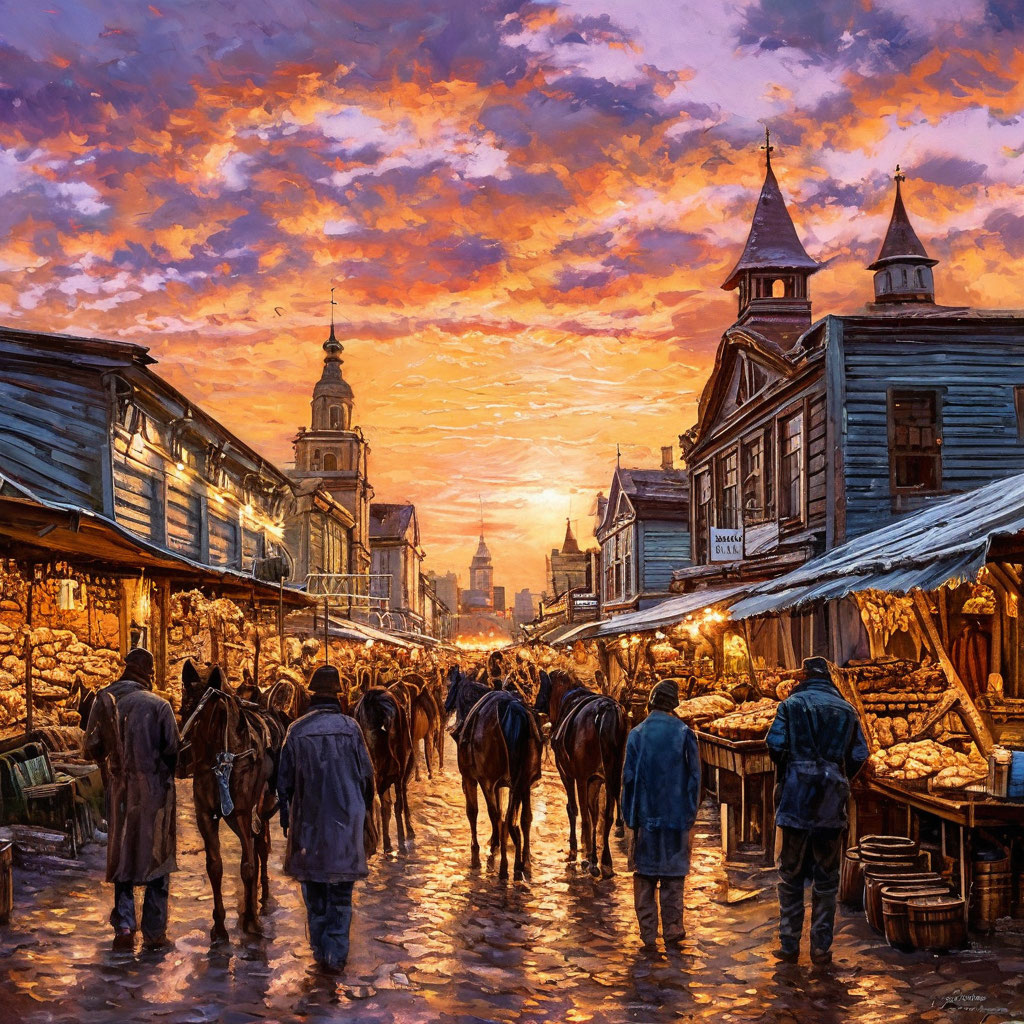
In the 18th and 19th centuries, Shadrinsk earned a reputation as a premier horse trading center. The town’s proximity to the Iset Road made it a natural gathering place for horse dealers from across Russia and beyond. Horses bred in the fertile plains and forests surrounding Shadrinsk were highly sought after for their strength, endurance, and beauty. The town’s markets buzzed with activity as buyers and sellers haggled over prices, showcasing the region’s rich equestrian heritage.
The Horse Markets: A Cultural Melting Pot
The horse markets in Shadrinsk were more than just commercial events; they were cultural spectacles. Merchants from diverse backgrounds converged, bringing with them unique goods, stories, and traditions. The markets were a melting pot of cultures, where languages blended, and customs intertwined. For the townspeople, these events were a chance to experience the broader world beyond their borders.
Notable Figures in Shadrinsk’s Horse Trade
Among the many merchants who frequented Shadrinsk, a few left an indelible mark on the town’s history. One such figure was Ivan Petrovich, a renowned horse dealer whose reputation for fair dealings and quality stock attracted buyers from distant lands. His stables were a testament to the finest horses the region had to offer, and his name became synonymous with excellence in the equestrian world.
The Decline and Legacy of the Horse Trade
As the 20th century dawned, the horse trade in Shadrinsk began to wane. The advent of mechanized transportation reduced the demand for horses, and the once-thriving markets saw fewer visitors. However, the legacy of Shadrinsk’s equestrian heritage endures. The town’s history as a horse trading hub is preserved in local museums, historical sites, and the stories passed down through generations.
Shadrinsk Today: A Glimpse into the Past
Today, Shadrinsk stands as a testament to its rich history. While modern developments have transformed the town, echoes of its past as a horse trading center remain. The Iset Road continues to be a vital artery for transportation, and the spirit of commerce and community that once defined Shadrinsk is still alive. Visitors can explore historical sites, visit museums dedicated to the town’s equestrian past, and experience the unique blend of cultures that have shaped this remarkable town.
Shadrinsk’s story is a vivid tapestry of commerce, culture, and community. Its role as a horse trading hub along the Iset Road not only shaped its own destiny but also left an indelible mark on the history of the Ural region. So, the next time you find yourself traveling through the Russian countryside, take a moment to imagine the bustling markets and the enduring legacy of the horse-dealers of the Iset Road.
