
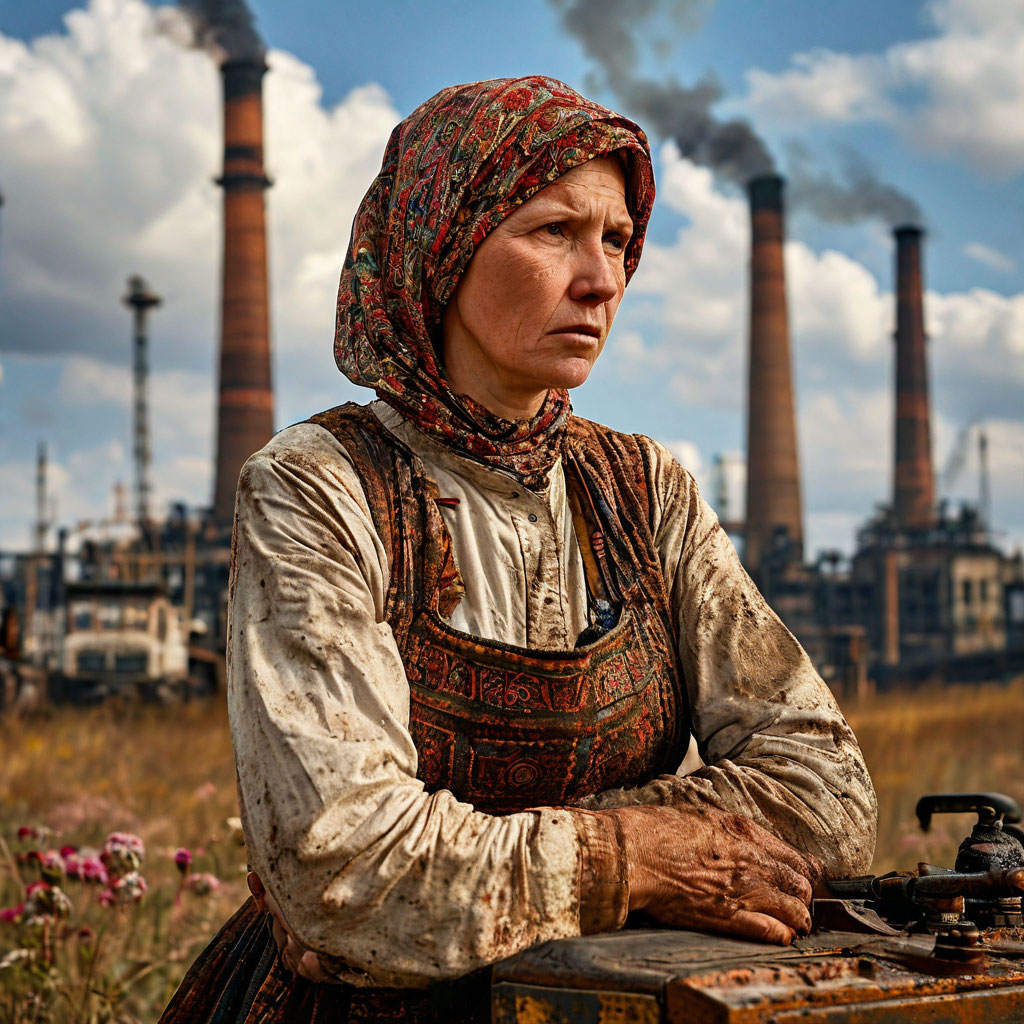
The Role of Women in Ural’s Industrial Workforce
Imagine stepping into the bustling factories and workshops of 19th-century Ural, a region renowned for its rich mineral resources and burgeoning industries. Amidst the clatter of machinery and the hum of production, women played a pivotal yet often overlooked role in shaping the industrial landscape of this Russian heartland.
The Industrial Boom and Women’s Entry into the Workforce
The 19th century marked a period of significant industrial expansion in the Ural region. As factories sprouted and mining operations intensified, the demand for labor surged. Traditionally, men dominated the industrial workforce, but the evolving economic landscape opened new avenues for women to contribute.
In the early 1800s, the Ural’s industrial sector was primarily male-dominated. However, as industries like textiles, metallurgy, and mining expanded, women began to find employment opportunities, especially in sectors where their labor was considered more manageable or less physically demanding.
Women in Textile and Light Industries
Textile manufacturing emerged as a significant industry in the Ural during the 19th century. Women were predominantly employed in this sector, working in spinning, weaving, and dyeing processes. Their dexterity and attention to detail made them invaluable assets to the burgeoning textile mills.
Beyond textiles, women also found work in lighter industries such as garment making, embroidery, and other artisanal crafts. These industries not only provided employment but also allowed women to showcase their skills and creativity, contributing to the cultural richness of the region.
Challenges and Struggles
Despite their contributions, women in the Ural’s industrial workforce faced numerous challenges. They often worked long hours under harsh conditions, with limited rights and protections. The industrial boom did not equate to improved labor laws for women, and their wages were typically lower than those of their male counterparts.
Moreover, societal expectations confined many women to traditional roles, making it difficult for them to pursue careers outside the domestic sphere. The lack of education and vocational training further limited their opportunities for advancement within the industrial sector.
Notable Women Entrepreneurs
While many women worked as laborers, others broke societal norms by becoming entrepreneurs. In the late 19th and early 20th centuries, some women in the Ural region managed to establish and run their own businesses, ranging from small workshops to larger industrial enterprises.
These women often faced significant obstacles, including societal prejudice and legal restrictions. However, their resilience and determination led to the creation of successful enterprises that contributed to the region’s economy and provided employment opportunities for other women.
Social and Cultural Impact
The involvement of women in the Ural’s industrial workforce had a profound impact on the social and cultural fabric of the region. It challenged traditional gender roles and paved the way for future generations of women to pursue careers in various fields.
Furthermore, the economic contributions of women helped elevate the standard of living for many families, leading to improved education and healthcare. The wealth generated by women’s labor also facilitated the development of cultural institutions and public services in the Ural region.
Legacy and Recognition
Today, the legacy of these industrious women is evident in the Ural’s vibrant industrial sector and its rich cultural heritage. While their stories were often overshadowed by their male counterparts, ongoing research and historical studies continue to shed light on their invaluable contributions.
Recognizing the role of women in the industrial workforce not only honors their past efforts but also serves as an inspiration for future generations to break barriers and pursue their aspirations, regardless of societal expectations.
Conclusion
The 19th-century Ural was a land of transformation, where industries flourished, and women emerged as key contributors to this growth. Their stories of resilience, innovation, and determination are integral to understanding the region’s industrial history and continue to inspire the ongoing journey toward equality and empowerment.
