The Development of Iron and Steel Production in the Urals
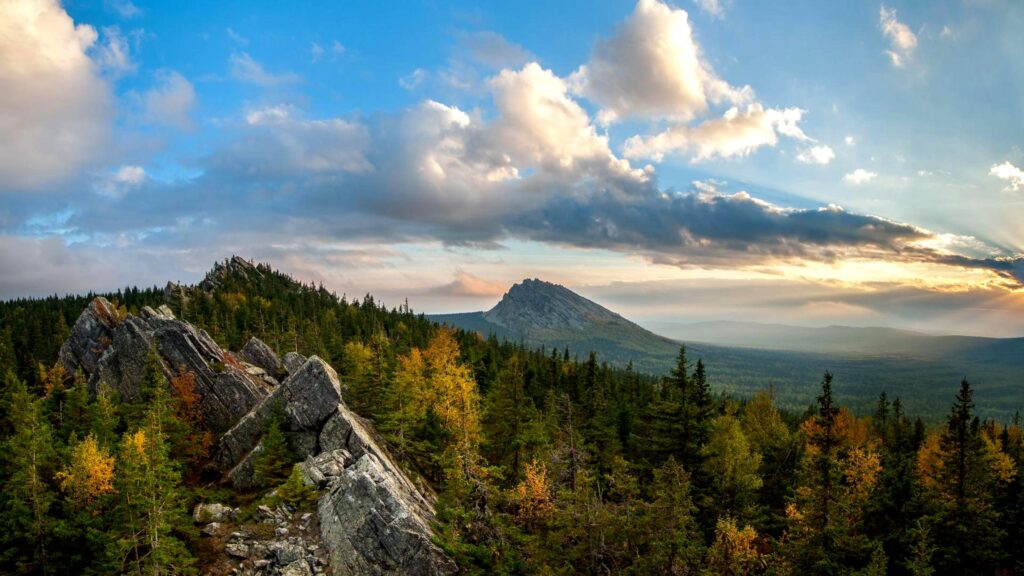
Imagine a vast, rugged landscape stretching from the European part of Russia to Siberia, rich in natural resources and steeped in history. This is the Ural region, a land that has been the cradle of Russia’s iron and steel industry for centuries. Let’s embark on a journey through time to explore how the Urals became synonymous with metal production, shaping not only the nation’s economy but also its very identity.
The Birth of Ural Metallurgy
Our story begins in the late 17th century, a period when Russia was striving to modernize and strengthen its military might. In 1702, Tsar Peter the Great issued a decree that would lay the foundation for the Ural’s industrial future. The unfinished Nizhny Tagil Ironworks was transferred to private ownership, marking the dawn of a new era in Russian metallurgy. This move was not just about iron; it was about forging a path toward industrialization and self-sufficiency.
Enter the Demidov family, whose name would become legendary in the annals of Ural metallurgy. Led by the visionary Akinfiy Demidov, the family established a network of 55 metallurgical plants, 40 of which were located in the Urals. By 1740, Demidov’s enterprises were producing approximately 64% of the region’s iron and 46% of Russia’s total output. Their success was not merely a matter of numbers; it was a testament to innovation, resilience, and a deep understanding of metallurgy.
The Rise of Industrial Giants
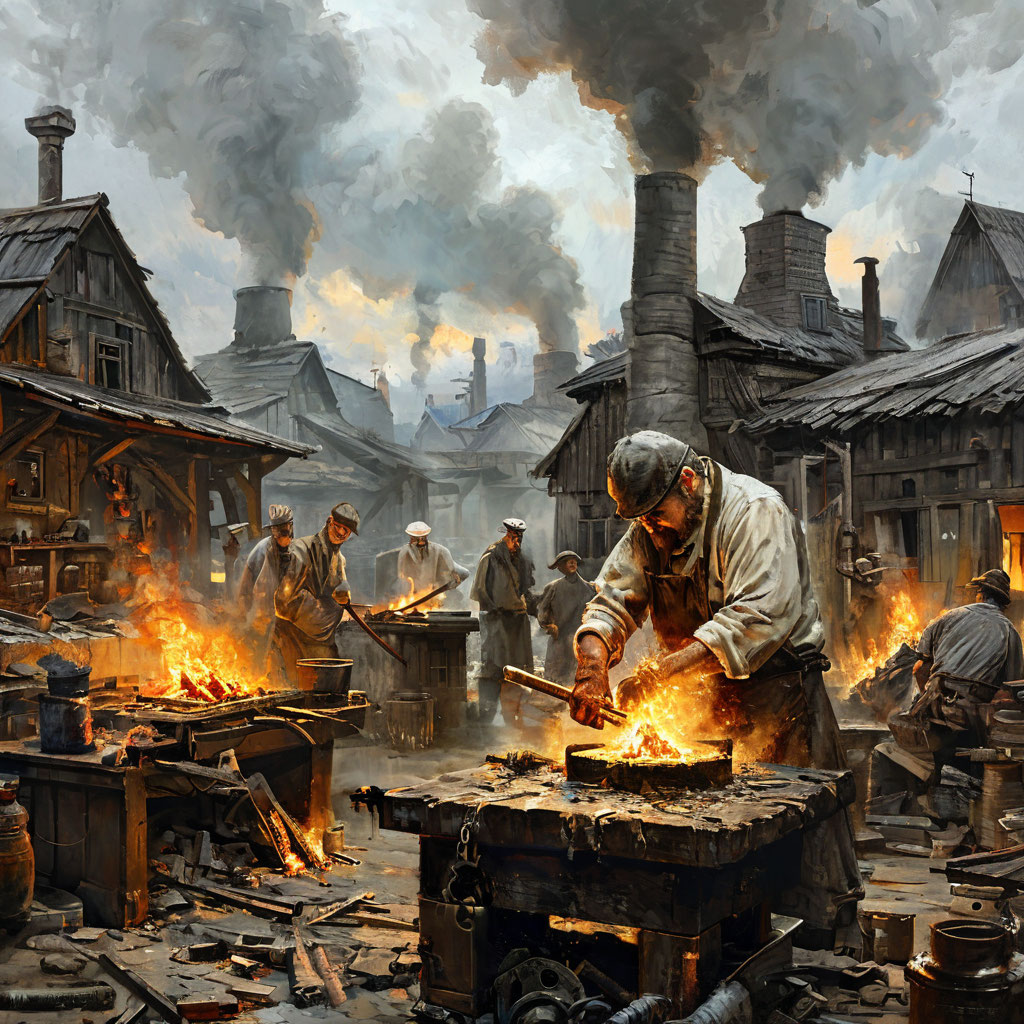
As the 18th century gave way to the 19th, the Urals witnessed a surge in industrial activity. The 1800s were a transformative period, marked by technological advancements and the expansion of production capacities. The introduction of the blast furnace revolutionized iron production, allowing for larger quantities of metal to be produced more efficiently. This was a game-changer, not just for the Urals but for Russia as a whole.
One notable example is the Votkinsk Ironworks, established in 1759. Initially focused on producing anchors for the Russian Navy, the plant diversified its output over the years. By the mid-19th century, it was producing a significant portion of Russia’s anchors, showcasing the Urals’ growing importance in the nation’s industrial landscape.
Technological Innovations and Challenges
The 19th century was also a time of experimentation and adaptation. The introduction of the puddling process in the 1820s marked a significant advancement in steel production. This method, which involved stirring molten iron to remove impurities, was adopted by several Ural plants, leading to higher-quality steel. However, the journey was not without its hurdles. The reliance on charcoal and the scarcity of timber posed significant challenges, prompting the search for alternative fuels and methods.
In the 1860s, the Ural metallurgical industry faced a crisis. The existing technologies were becoming outdated, and the region’s dominance in metal production was under threat. In response, the Russian government commissioned a comprehensive study to identify the root causes of stagnation. The findings were eye-opening: outdated equipment, reliance on outdated technologies, and monopolistic practices were hindering progress. This led to a series of reforms aimed at modernizing the industry and restoring the Urals’ position as a metallurgical powerhouse.
The Golden Age and Beyond
The late 19th and early 20th centuries marked a renaissance for Ural metallurgy. The introduction of the Bessemer process in the 1870s and the construction of blast furnaces on hot blast significantly increased production efficiency. The region’s metallurgical plants were now capable of producing steel that met international standards, opening new markets and opportunities.
However, this period of prosperity was not without its challenges. The rapid expansion of the industry led to environmental degradation, deforestation, and social upheaval. The once-pristine forests of the Urals were being cleared at an alarming rate to fuel the furnaces, leading to ecological imbalances. Moreover, the influx of workers into industrial centers resulted in overcrowded living conditions and labor unrest.
Legacy and Impact
In conclusion, the story of iron and steel production in the Urals is one of transformation, innovation, and adaptation. From humble beginnings to industrial giants, the Urals have played a pivotal role in shaping Russia’s industrial identity. Their journey is a testament to human ingenuity and the relentless pursuit of progress, offering valuable lessons for future generations.
