The Growth of Urban Centers in the Urals
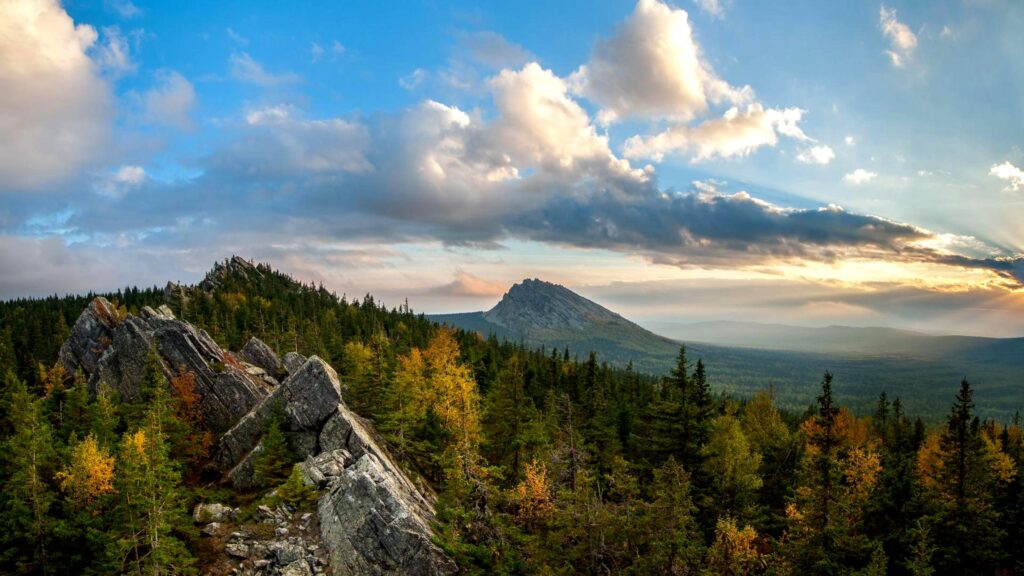
Imagine a vast expanse of dense forests and rugged mountains, stretching from the European plains to the heart of Siberia. This is the Ural region, a land rich in minerals and history. In the 19th century, the Urals underwent a remarkable transformation, evolving from a remote wilderness into a bustling industrial hub. Let’s embark on a journey through time to explore how urban centers in the Urals blossomed during this era.
The Dawn of Industrialization
In the early 18th century, the Russian Empire was on the brink of a significant industrial revolution. The Urals, with their abundant natural resources, were poised to play a pivotal role. The establishment of the Yekaterinburg plant in 1723 marked the beginning of this industrial awakening. Founded by historian Vasily Tatishchev and engineer Georg Wilhelm de Gennin under the decree of Peter the Great, Yekaterinburg was named after Catherine I, the empress consort. This plant wasn’t just a factory; it was the heartbeat of the region’s burgeoning industry. By the 1760s, it had become the largest metallurgical plant in Europe, producing iron and copper that were unparalleled in quality. The blast furnaces here consumed less charcoal than their English and Swedish counterparts, setting new standards in efficiency. ([en.wikipedia.org](https://en.wikipedia.org/wiki/Yekaterinburg?utm_source=openai), [en.wikipedia.org](https://en.wikipedia.org/wiki/History_of_metallurgy_in_the_Urals?utm_source=openai))
The Rise of Mining Towns
As the 19th century unfolded, the Urals witnessed the emergence of numerous mining towns, each with its unique story. These settlements weren’t just industrial centers; they were vibrant communities that attracted people from all walks of life. The term “Ural mining civilization” aptly describes this period, highlighting the rapid growth and cultural development in the region. By the mid-19th century, over half of Russia’s industrial cities were established in the Urals, making it a global leader in metallurgy. ([en.wikipedia.org](https://en.wikipedia.org/wiki/Ural_mining_civilization?utm_source=openai))
Yekaterinburg: The Industrial Beacon
Yekaterinburg stood out as a beacon of industrial prowess. Its strategic location on the Iset River made it a vital link between Europe and Asia. The city’s population swelled from 30,000 in 1873 to 70,000 by 1917, driven by an influx of peasants seeking employment and the allure of urban amenities like schools, hospitals, theaters, and museums. This rapid urbanization, however, brought challenges. The city’s infrastructure struggled to keep pace with the burgeoning population, leading to overcrowded streets and inadequate sanitation. ([academia.edu](https://www.academia.edu/93156573/Chapter_11_Infant_mortality_in_the_late_19th_and_early_20th_century_Urals_macro_and_micro_analyses?utm_source=openai))
Perm: The Gateway to the East
Perm, another significant urban center, served as a gateway to the East. Its strategic position facilitated trade and cultural exchanges, contributing to its rapid growth. The city’s industries, particularly in metallurgy, attracted workers from various regions, fostering a melting pot of cultures and traditions. Perm’s development mirrored the broader industrialization trends of the Urals, showcasing the region’s pivotal role in Russia’s economic expansion. ([en.wikipedia.org](https://en.wikipedia.org/wiki/History_of_metallurgy_in_the_Urals?utm_source=openai))
Cultural and Social Dynamics
The industrial boom in the Urals wasn’t just about factories and infrastructure; it was also a cultural renaissance. The influx of exiled artists, officers, and nobles, particularly after the Decembrist revolt of 1825, infused the region with new ideas and artistic expressions. These exiles, many of whom were sent to Siberia, found in the Urals a fertile ground for creativity. They built ornate wooden houses adorned with intricate carvings, leaving a legacy that still stands today. Their influence transformed cities like Irkutsk into cultural hubs, blending Russian traditions with local customs. ([en.wikipedia.org](https://en.wikipedia.org/wiki/Irkutsk?utm_source=openai))
Challenges and Resilience
Despite the economic prosperity, the rapid urbanization presented significant challenges. The depletion of forest resources, essential for fuel and construction, led to environmental concerns. The once-abundant forests were being cut down at alarming rates, threatening the ecological balance. Moreover, the swift population growth outpaced the development of infrastructure, leading to overcrowded living conditions and public health issues. Yet, the resilience of the Ural people shone through. They adapted, innovated, and rebuilt. Fires that ravaged cities like Irkutsk were met with swift reconstruction efforts, and the introduction of new technologies improved industrial processes. ([en.wikipedia.org](https://en.wikipedia.org/wiki/Irkutsk?utm_source=openai))
The Legacy of the 19th Century
The 19th century was a defining period for the Urals. The region’s transformation from a remote wilderness to an industrial powerhouse laid the foundation for its future. The cities that emerged during this era became centers of culture, industry, and innovation. They attracted thinkers, artists, and workers, creating a dynamic and diverse society. The challenges faced and overcome during this time shaped the resilience and character of the Ural people, leaving a legacy that continues to influence the region today. ([en.wikipedia.org](https://en.wikipedia.org/wiki/Ural_mining_civilization?utm_source=openai))
As we reflect on the growth of urban centers in the Urals, we gain insight into the broader narrative of human progress. It’s a story of ambition, adaptation, and the relentless pursuit of a better life. The Urals, with their rich history and enduring spirit, stand as a testament to the transformative power of industry and culture.
