
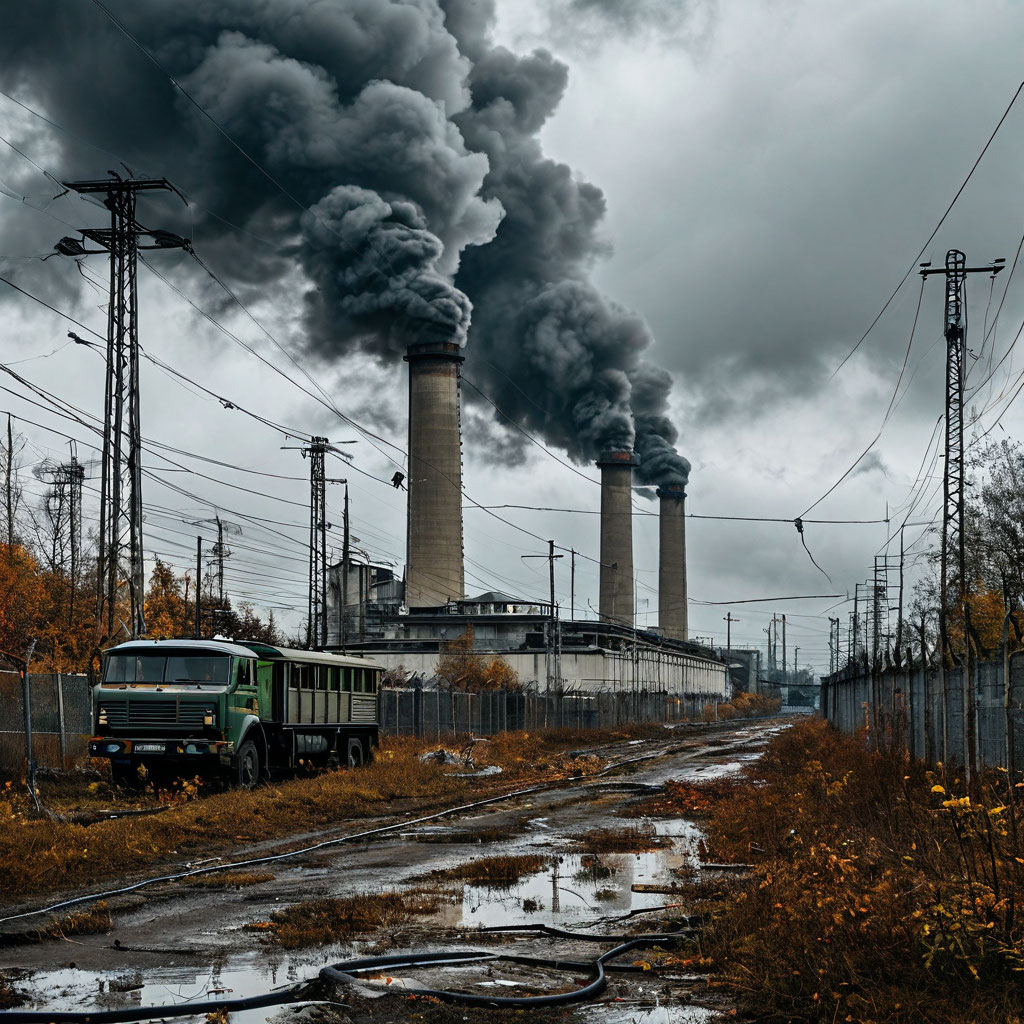
The Sverdlovsk Anthrax Leak of 1979: Unveiling a Soviet Secret
Imagine a quiet city nestled in the heart of the Soviet Union, its streets bustling with daily life, unaware of the looming disaster. This was Sverdlovsk, now known as Yekaterinburg, a city that would soon be thrust into the global spotlight due to a catastrophic event that would remain shrouded in secrecy for years. Let’s journey back to April 2, 1979, to uncover the story of the Sverdlovsk anthrax leak—a tale of science, secrecy, and survival.
The City of Sverdlovsk: A Hub of Industry and Secrecy
Located in the Ural Mountains, Sverdlovsk was a city of contrasts. On the surface, it was a thriving industrial center, often referred to as Russia’s Pittsburgh due to its extensive steelmaking industry. The city was a vital cog in the Soviet military-industrial complex, producing tanks, ballistic missiles, and other armaments. However, beneath this industrial facade lay a network of secrets. Sverdlovsk was a “closed city,” a designation that restricted foreign access and kept its activities under wraps. This veil of secrecy would soon become the backdrop for one of the most alarming incidents in Soviet history.
The Birth of a Biological Weapon
In the aftermath of World War II, the Soviet Union embarked on a covert mission to develop biological weapons. Sverdlovsk became a focal point for this endeavor. Between 1947 and 1949, a facility was established in the city, dedicated to researching and producing biological agents, including Bacillus anthracis—the bacterium responsible for anthrax. This facility, known as Military Compound 19, was a linchpin in the Soviet Union’s biological warfare program, codenamed “Ferment.” The program aimed to create a new generation of biological weapons, many of which could be fitted into intercontinental ballistic missiles (ICBMs). Anthrax was codenamed L4 in this program. ([ncbi.nlm.nih.gov](https://www.ncbi.nlm.nih.gov/pmc/articles/PMC10134958/?utm_source=openai))
The Fateful Day: April 2, 1979
On that spring day, an accident occurred within the walls of Military Compound 19. A worker, in the process of changing a clogged filter in the exhaust system used for drying aerosolized anthrax, failed to replace it properly. This oversight led to the release of anthrax spores into the atmosphere. The wind carried these spores southeastward, creating a 50-kilometer trail of disease and death among humans and animals alike. At least 66 people lost their lives, making it the deadliest human outbreak of inhalation anthrax ever recorded. ([science.org](https://www.science.org/content/article/anthrax-genome-reveals-secrets-about-soviet-bioweapons-accident/?utm_source=openai))
The Soviet Response: A Web of Secrecy
In the immediate aftermath, the Soviet authorities were quick to act, but not in the way one might expect. Instead of acknowledging the leak, they initiated a cover-up. The official narrative blamed the outbreak on the consumption of tainted meat from infected animals. This explanation was not only misleading but also dangerous, as it diverted attention from the true cause and delayed appropriate public health responses. The residents of Sverdlovsk were left in the dark, unaware of the real threat that had befallen them. ([washingtonpost.com](https://www.washingtonpost.com/archive/politics/1980/06/30/soviets-accused-of-cover-up-on-anthrax-epidemic/feb539a6-25cf-4619-9cba-a7a3cd7791ce/?utm_source=openai))
The Unveiling: 1992 and Beyond
It wasn’t until 1992, after the dissolution of the Soviet Union, that the truth began to surface. A team of American scientists, led by Harvard biologist Matthew Meselson, was granted access to Sverdlovsk to investigate the incident. Their findings were groundbreaking. They discovered that the victims had died from inhalation anthrax, a form of the disease that occurs when spores are breathed in, rather than from ingesting contaminated meat. This discovery was pivotal, as it confirmed that the outbreak was the result of a biological weapons accident, not a foodborne illness. ([theatlantic.com](https://www.theatlantic.com/health/archive/2016/11/sverdlovsk-russia-anthrax/508139/?utm_source=openai))
The Legacy: Lessons Learned and the Path Forward
The Sverdlovsk anthrax leak serves as a stark reminder of the potential dangers associated with biological weapons research. It underscores the importance of transparency, accountability, and ethical considerations in scientific endeavors. The incident also highlights the need for robust safety protocols and international cooperation to prevent such tragedies in the future. As we reflect on this dark chapter, we must honor the memory of those who lost their lives and strive to ensure that history does not repeat itself.
For a more in-depth exploration of the Sverdlovsk anthrax leak, you can refer to the following sources:
