
The Impact of Perestroika on the Ural Region
Imagine a time when the Soviet Union was on the brink of monumental change. The year is 1985, and Mikhail Gorbachev has just introduced “Perestroika,” a series of reforms aimed at restructuring the Soviet economy and society. These reforms would ripple across the vast expanse of the Ural region, a land rich in industrial heritage and cultural diversity. Let’s embark on a journey to explore how Perestroika reshaped the Ural region, touching upon its industries, cities, and the lives of its people.
The Ural Region: A Snapshot Before Perestroika
Before diving into the changes brought by Perestroika, it’s essential to understand the Ural region’s landscape. Spanning across the Ural Mountains, this area has long been the industrial backbone of Russia. Cities like Sverdlovsk (now Yekaterinburg), Chelyabinsk, and Magnitogorsk were renowned for their steel mills, machinery factories, and defense industries. The region’s economy was deeply intertwined with the centralized Soviet system, relying heavily on state planning and control.
The Dawn of Perestroika
In 1985, Gorbachev’s announcement of Perestroika signaled a new era. The term, meaning “restructuring,” aimed to revitalize the Soviet economy by introducing elements of market mechanisms and reducing the state’s grip on various sectors. For the Ural region, this was both an opportunity and a challenge. The question was: how would these sweeping reforms impact a region so deeply embedded in the old system?
Economic Turmoil and Industrial Shifts
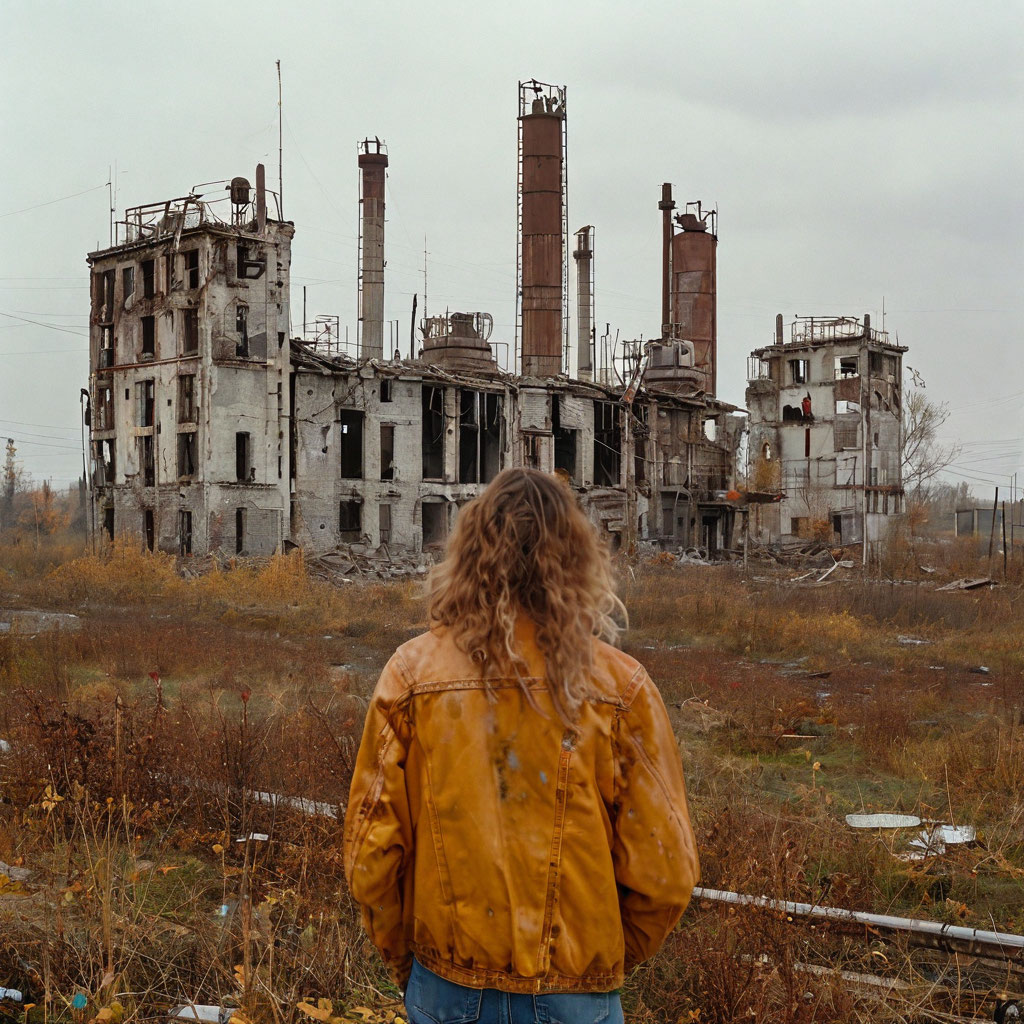
As Perestroika took hold, the Ural’s industrial giants faced unprecedented challenges. The once-thriving factories began to sputter. For instance, in Sverdlovsk, the machinery and defense sectors, which had been the pride of the region, found themselves grappling with declining demand and outdated technologies. The shift from a command economy to a market-oriented one left many enterprises unprepared, leading to production slowdowns and, in some cases, closures.
Moreover, the privatization wave that swept across Russia in the early 1990s had a profound impact. Large state-owned enterprises were transformed into joint-stock companies, often leading to management upheavals and labor unrest. Workers, who had once enjoyed job security, now faced uncertainty and, at times, unemployment. The social fabric of the Ural region was undeniably affected, with communities struggling to adapt to the new economic realities.
Social and Cultural Transformations
Beyond the economic upheavals, Perestroika ushered in significant social and cultural changes. The newfound openness, or “glasnost,” allowed for greater freedom of expression. In the Ural region, this manifested in a resurgence of local culture and identity. Artists, writers, and musicians began to explore themes that had previously been censored, leading to a cultural renaissance of sorts.
However, this period also saw the rise of challenges. The sudden exposure to global markets and ideas led to a clash of cultures. Traditional Ural customs and lifestyles were juxtaposed against Western influences, creating a complex tapestry of adaptation and resistance. The region’s rich folklore and traditions faced the test of time, striving to maintain relevance in a rapidly changing world.
The Political Landscape: A Quest for Autonomy
Amidst the economic and social upheavals, the political landscape of the Ural region began to shift. The desire for greater autonomy and recognition grew. Movements advocating for regional rights and self-governance gained momentum. Leaders like Eduard Rossel emerged, championing the cause of the Ural’s distinct identity and its right to self-determination within the Russian Federation.
This quest for autonomy was not without its challenges. The central government’s resistance to decentralization and the complexities of federal politics made the path to greater self-governance a tumultuous one. Yet, the spirit of the Ural people, characterized by resilience and determination, continued to drive these aspirations forward.
Legacy and Lessons Learned
Reflecting on the impact of Perestroika on the Ural region offers valuable insights. The period was marked by profound transformations—economic restructuring, social upheavals, and political reawakening. While the journey was fraught with difficulties, it also highlighted the Ural’s capacity for adaptation and growth.
Today, the Ural region stands as a testament to the enduring spirit of its people. The lessons learned during the Perestroika era continue to influence its development, reminding us of the importance of resilience, adaptability, and the pursuit of identity in the face of change.
In conclusion, the story of the Ural region during Perestroika is not just a tale of economic decline and political struggle. It is a narrative of transformation, of a community navigating the complexities of a rapidly changing world while striving to preserve its unique heritage and values.
For a deeper dive into the economic challenges faced by the Ural region during this period, you might find this article insightful: [Economic Challenges in the Ural Region During Perestroika](https://gogetinn.com/ru/articles/ekaterinburg-vehi-istorii-perspektivyi).
