
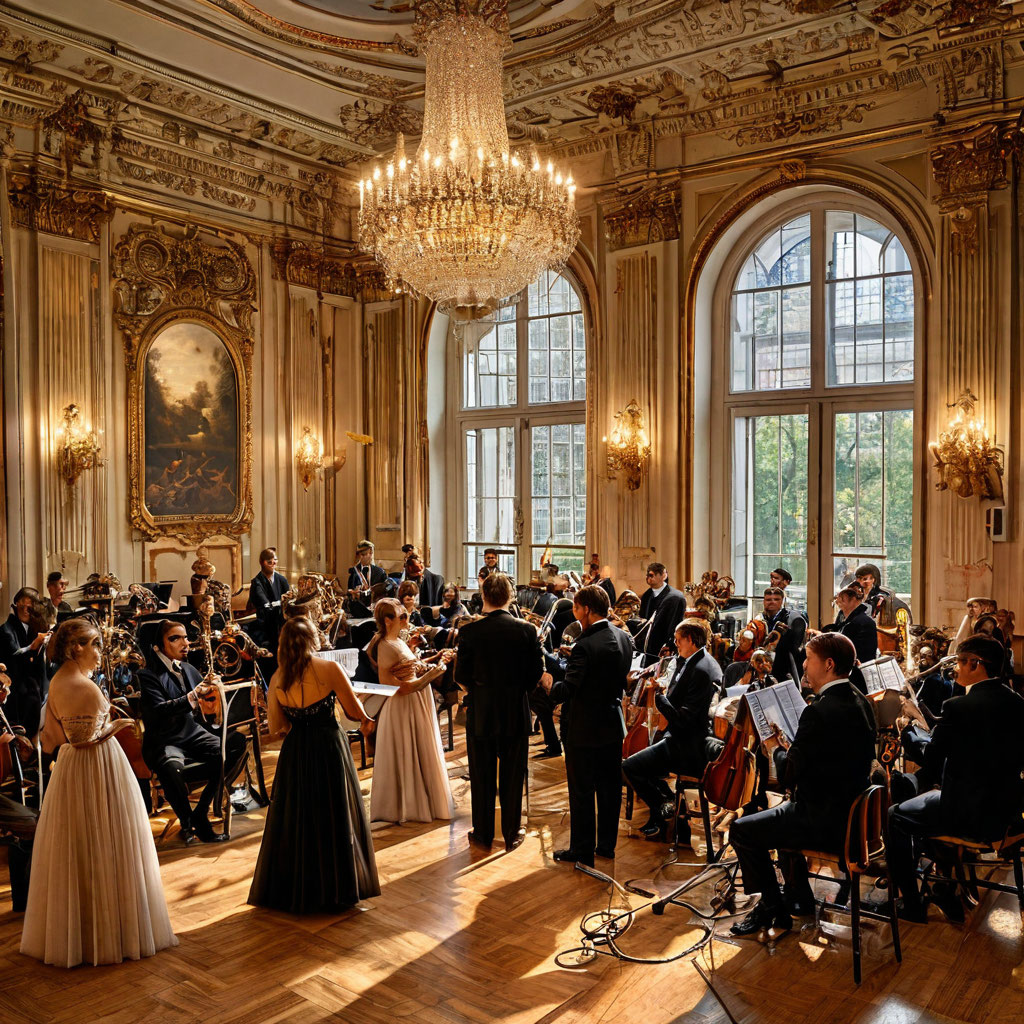
The Establishment of the Ural Philharmonic Orchestra (1936)
Imagine a time when the echoes of classical music were just beginning to resonate in the industrial heart of Russia. In 1936, amidst the bustling city of Sverdlovsk (now Yekaterinburg), a group of visionary musicians embarked on a journey that would forever change the cultural landscape of the Ural region. This is the story of the Ural Philharmonic Orchestra, a beacon of artistic excellence that emerged from the confluence of Soviet ambition and musical passion.
The Birth of a Musical Legacy
In the mid-1930s, the Soviet Union was fervently promoting cultural development as a means to showcase its achievements. Sverdlovsk, a city rapidly transforming due to industrialization, was ripe for such an endeavor. The foundation of the Ural Philharmonic Orchestra was not merely the creation of a musical ensemble; it was a statement of the city’s cultural aspirations.
The catalyst for this transformation was Mark Paverman, a graduate of the Moscow Conservatory. Recognizing the potential of Sverdlovsk’s existing musical resources, Paverman took the helm of the Radio Committee’s 22-member ensemble. With his leadership, the group expanded, incorporating musicians from the Sverdlovsk Opera and Ballet Theatre, culminating in a full-fledged symphony orchestra.
On September 29, 1936, the newly formed Sverdlovsk State Symphony Orchestra held its inaugural concert. Under the baton of American conductor Vladimir Savvich, the orchestra performed Tchaikovsky’s Sixth Symphony and Respighi’s “Pines of Rome,” marking the first performance of this piece in the Soviet Union. The concert was graced by the renowned soprano Ksenia Dzerzhinskaya, a soloist from the Bolshoi Theatre, adding a touch of grandeur to the occasion.
Early Milestones and Cultural Impact
The orchestra’s early years were marked by significant achievements that underscored its growing prominence. In 1938, it hosted a concert featuring the works of Reinhold Glière, including the Soviet premiere of his Heroic-Epic Symphony No. 3 “Ilya Muromets,” conducted by the composer himself. This event not only highlighted the orchestra’s commitment to Soviet composers but also its role in promoting national music.
Another landmark was the 1939 performance of Dmitri Shostakovich’s First Symphony and Piano Concerto No. 1, with the composer at the piano. This collaboration between Shostakovich and the orchestra was a testament to the ensemble’s rising stature and its ability to attract leading figures in the classical music world.
Survival Through Adversity
The outbreak of World War II posed a significant threat to the orchestra’s existence. The Soviet government, in its strategic planning, disbanded many cultural institutions to redirect resources towards the war effort. The Sverdlovsk State Symphony Orchestra was among those affected, facing an uncertain future.
However, the resilience of the musicians and the cultural importance of the orchestra led to its revival. The ensemble’s ability to adapt and continue performing during such tumultuous times was a testament to the enduring power of music as a unifying and uplifting force.
Legacy and Continued Excellence
Despite the challenges of the war years, the orchestra emerged stronger, continuing to enrich the cultural fabric of Sverdlovsk and the broader Ural region. Over the decades, it has evolved into one of Russia’s leading symphonic ensembles, known for its distinctive performance style and commitment to both classical and contemporary repertoires.
Today, the Ural Philharmonic Orchestra stands as a symbol of artistic resilience and cultural pride. Its journey from a modest radio committee ensemble to an internationally acclaimed institution reflects the transformative power of music and its ability to inspire and unite communities.
For those interested in experiencing the rich history and vibrant performances of the Ural Philharmonic Orchestra, more information can be found on their official website: [Ural Philharmonic Orchestra](https://en.sgaf.ru/musicians/8497).
