
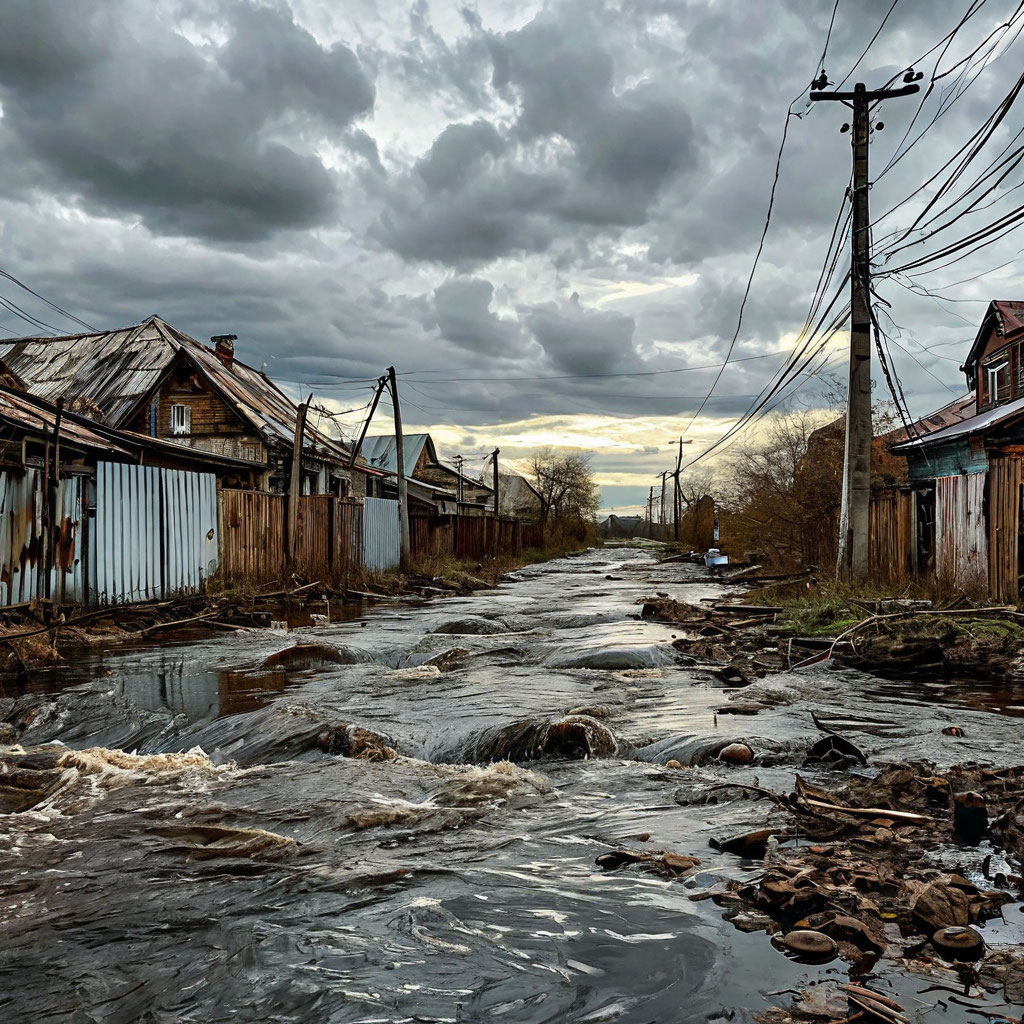
Unprecedented Floods in Orenburg Region: A 2024 Catastrophe
Imagine a spring morning in 2024, when the tranquil rivers of Russia’s Orenburg region transformed into raging torrents, engulfing cities and villages alike. This was not a scene from a disaster movie but a harsh reality that unfolded in April 2024, marking one of the most devastating floods in the region’s history.
The Unfolding Disaster
On April 5, 2024, the city of Orsk, nestled along the Ural River, faced an unexpected calamity. The protective dam, constructed in 2010 to shield the city from flooding, was breached. The breach led to rapid inundation, with water levels rising dramatically. Within hours, homes, businesses, and infrastructure were submerged, leaving residents in shock and despair. The breach was not an isolated incident; subsequent failures of additional dams exacerbated the situation, leading to widespread devastation.
Scale of the Catastrophe
The flood’s impact was staggering. In Orsk alone, over 6,000 residential buildings were affected, with many rendered uninhabitable. The city of Orenburg, situated downstream, was not spared. By April 13, the Ural River’s water level in Orenburg peaked at 11.87 meters, surpassing the critical threshold by over two meters. This unprecedented rise led to the flooding of more than 6,000 homes and the disruption of essential services, including healthcare facilities. The situation was dire, with authorities scrambling to provide relief and prevent further loss of life.
Human Toll and Evacuation Efforts
The human cost was profound. Reports indicated that at least 15 individuals lost their lives due to the flooding. In response, authorities initiated large-scale evacuation operations. Over 17,000 residents were relocated from the most affected areas, seeking refuge in temporary shelters. The evacuation was a monumental task, with emergency services working tirelessly to ensure the safety of the populace amidst the rising waters.
Economic and Infrastructural Impact
The economic ramifications were severe. Preliminary assessments estimated the damage to the agricultural sector at approximately 65 million rubles, with infrastructure losses amounting to 21 million rubles. The Orenburg region’s economy, already grappling with challenges, faced a significant setback. The floodwaters not only destroyed crops but also damaged critical infrastructure, including roads, bridges, and utilities, complicating recovery efforts.
Environmental and Social Ramifications
Beyond the immediate physical damage, the flood had lasting environmental and social consequences. The inundation led to the contamination of water sources, posing health risks to the affected communities. Additionally, the displacement of thousands of residents disrupted daily life, leading to psychological stress and a sense of uncertainty about the future. The community’s resilience was tested, with many individuals and organizations coming together to support recovery and rebuilding efforts.
Lessons Learned and Future Preparedness
The 2024 flood in the Orenburg region serves as a stark reminder of the vulnerabilities inherent in flood-prone areas. It underscores the necessity for robust infrastructure, effective disaster management plans, and community preparedness. The breach of the protective dam highlighted potential shortcomings in maintenance and oversight, prompting a reevaluation of safety protocols. Moving forward, it is imperative to invest in resilient infrastructure, enhance early warning systems, and foster community awareness to mitigate the impact of future natural disasters.
In conclusion, the 2024 floods in the Orenburg region were a tragic event that left an indelible mark on the community. However, the collective response and the lessons learned offer hope for a more prepared and resilient future. The spirit of solidarity and determination displayed during the crisis serves as a testament to the human capacity to overcome adversity.
