
Ural’s Participation in International Trade: A Journey Through Time and Transformation
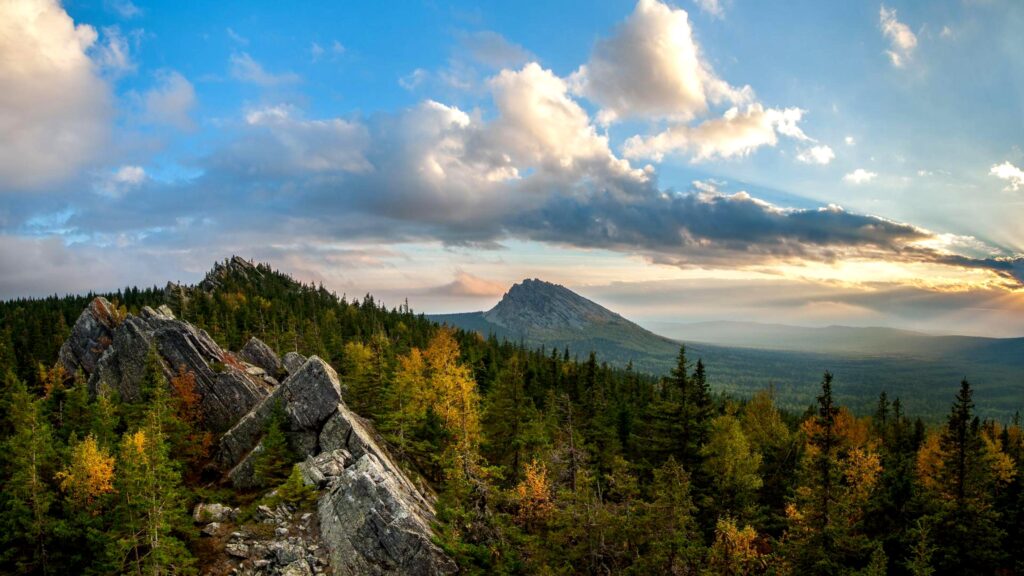
Imagine a land where the echoes of ancient metallurgists blend seamlessly with the hum of modern industries, where vast forests and rugged mountains have long been the backdrop to a thriving trade network. Welcome to the Ural region—a place where history and innovation converge, shaping its pivotal role in international trade.
The Dawn of Ural’s Trade Legacy
Our story begins in the 17th century, a time when the Ural Mountains were not just a geographical feature but a treasure trove of resources. In 1702, Tsar Peter the Great recognized the region’s potential and transferred the unfinished Nizhny Tagil Ironworks into private hands. This marked the beginning of a metallurgical revolution. The Demidov family, under the visionary leadership of Nikita Demidov, expanded rapidly, establishing 55 metallurgical plants, 40 of which were in the Urals. By 1740, these plants produced about 64% of Russia’s iron and 46% of its steel, setting the stage for the Ural’s dominance in the global metal trade. ([ru.wikipedia.org](https://ru.wikipedia.org/wiki/%D0%98%D1%81%D1%82%D0%BE%D1%80%D0%B8%D1%8F_%D0%BC%D0%B5%D1%82%D0%B0%D0%BB%D0%BB%D1%83%D1%80%D0%B3%D0%B8%D0%B8_%D0%A3%D1%80%D0%B0%D0%BB%D0%B0?utm_source=openai))
The Industrial Boom and Global Connections
Fast forward to the 20th century, and the Urals had transformed into an industrial powerhouse. The region’s metallurgical plants were not just national leaders but global contenders. By the end of the 18th century, Ural’s factories produced 80% of Russia’s pig iron and iron, and 100% of its copper. This industrial prowess positioned the Urals as a key player in international trade, exporting metals and machinery to various parts of the world. ([ru.wikipedia.org](https://ru.wikipedia.org/wiki/%D0%9C%D0%B5%D1%82%D0%B0%D0%BB%D0%BB%D1%83%D1%80%D0%B3%D0%B8%D1%87%D0%B5%D1%81%D0%BA%D0%B8%D0%B5_%D0%B7%D0%B0%D0%B2%D0%BE%D0%B4%D1%8B_%D0%A3%D1%80%D0%B0%D0%BB%D0%B0?utm_source=openai))
Modern Times: Challenges and New Horizons
The 21st century brought new challenges. Sanctions imposed in 2014-2015 led to a 36% decline in the Ural Federal District’s exports by 2021. However, this adversity spurred innovation and diversification. The region began to pivot towards high-tech industries, focusing on aerospace and robotics. For instance, Sverdlovsk, Tyumen, and Chelyabinsk regions have been emphasizing the development of high-tech sectors like aerospace and robotics to enhance their export potential. ([uiec.ru](https://uiec.ru/news-21082024/?utm_source=openai))
Strengthening Ties with the East
In recent years, the Urals have increasingly turned their gaze eastward. China has emerged as a significant trading partner, with Sverdlovsk Oblast’s trade turnover with China growing steadily. In the first four months of 2025, China accounted for over 31% of the region’s foreign trade turnover, both in value and weight. This shift reflects a strategic move to diversify trade relationships and tap into new markets. ([kommersant.ru](https://www.kommersant.ru/doc/7852622?utm_source=openai))
Ural’s Industrial Giants on the Global Stage
The Urals are home to industrial giants that have left an indelible mark on international trade. The Ural Automobile Plant, known for its rugged trucks, has been a staple in markets across the Middle East. In 2023, the plant produced 14,270 vehicles, marking a 45% increase from the previous year. Despite facing sanctions, the plant continues to explore new markets and partnerships. ([ru.wikipedia.org](https://ru.wikipedia.org/wiki/%D0%A3%D1%80%D0%B0%D0%BB%D1%8C%D1%81%D0%BA%D0%B8%D0%B9_%D0%B0%D0%B2%D1%82%D0%BE%D0%BC%D0%BE%D0%B1%D0%B8%D0%BB%D1%8C%D0%BD%D1%8B%D0%B9_%D0%B7%D0%B0%D0%B2%D0%BE%D0%B4?utm_source=openai))
Similarly, the Ural Turbine Plant has been instrumental in exporting energy equipment worldwide. By February 2024, the plant had produced 933 steam turbines, with its equipment operating in 27 countries. This global reach underscores the Urals’ ongoing contribution to international trade. ([ru.wikipedia.org](https://ru.wikipedia.org/wiki/%D0%A3%D1%80%D0%B0%D0%BB%D1%8C%D1%81%D0%BA%D0%B8%D0%B9_%D1%82%D1%83%D1%80%D0%B1%D0%B8%D0%BD%D0%BD%D1%8B%D0%B9_%D0%B7%D0%B0%D0%B2%D0%BE%D0%B4?utm_source=openai))
Looking Ahead: The Future of Ural’s Trade
The Urals’ journey through time is a testament to resilience and adaptability. From its early days as a metallurgical hub to its current status as a diversified industrial region, the Urals continue to play a crucial role in international trade. As the world evolves, the Urals’ rich history and innovative spirit ensure its continued prominence on the global stage.
For a deeper dive into the Ural’s industrial history and its impact on global trade, you can explore the following resources:
