Exploring the Cultural Heritage of the Urals: A Journey Through Time
Imagine a land where ancient traditions meet industrial prowess, where legends echo through the mountains, and where every stone tells a story. Welcome to the Urals—a region that has been a crossroads of cultures, a cradle of civilizations, and a testament to human ingenuity. Let’s embark on a journey to uncover the rich tapestry of cultural heritage sites that define this unique part of Russia.
The Ancient Echoes: From Megaliths to Bronze Age Settlements
Our adventure begins in the southern Urals, where the past is etched into the very landscape. Picture yourself standing on Vera Island in Lake Turgoyak, gazing upon the largest megalithic complex in the region. Dating back to the Chalcolithic period, these stone structures, including the impressive Megalith No. 1, reveal the architectural prowess of ancient peoples. This site isn’t just a relic; it’s a window into the spiritual and social life of our distant ancestors.
Not far from here lies Sintashta, an archaeological marvel that redefines our understanding of the Bronze Age. Imagine a fortified settlement, complete with circular houses and sophisticated fortifications, serving as a metallurgical industrial center. This site challenges the notion that such advanced metallurgy was exclusive to other parts of the world, highlighting the Urals as a cradle of early technological innovation. ([en.wikipedia.org](https://en.wikipedia.org/wiki/Sintashta?utm_source=openai))
Rock Art and Rituals: The Shulgan-Tash Cave
Venture deeper into the Urals, and you’ll encounter the Shulgan-Tash Cave, also known as Kapova Cave. This isn’t just any cave; it’s a canvas of Upper Paleolithic rock carvings that have captivated archaeologists and artists alike. The vivid depictions of animals and human figures offer a glimpse into the symbolic and ritualistic practices of ancient societies. The cave’s unique style and the presence of mythological motifs make it a globally significant site, reflecting the rich cultural traditions of Eurasian antiquity. ([whc.unesco.org](https://whc.unesco.org/en/tentativelists/5666/?utm_source=openai))
Industrial Heritage: The Voskresensky Copper Smelting Plant
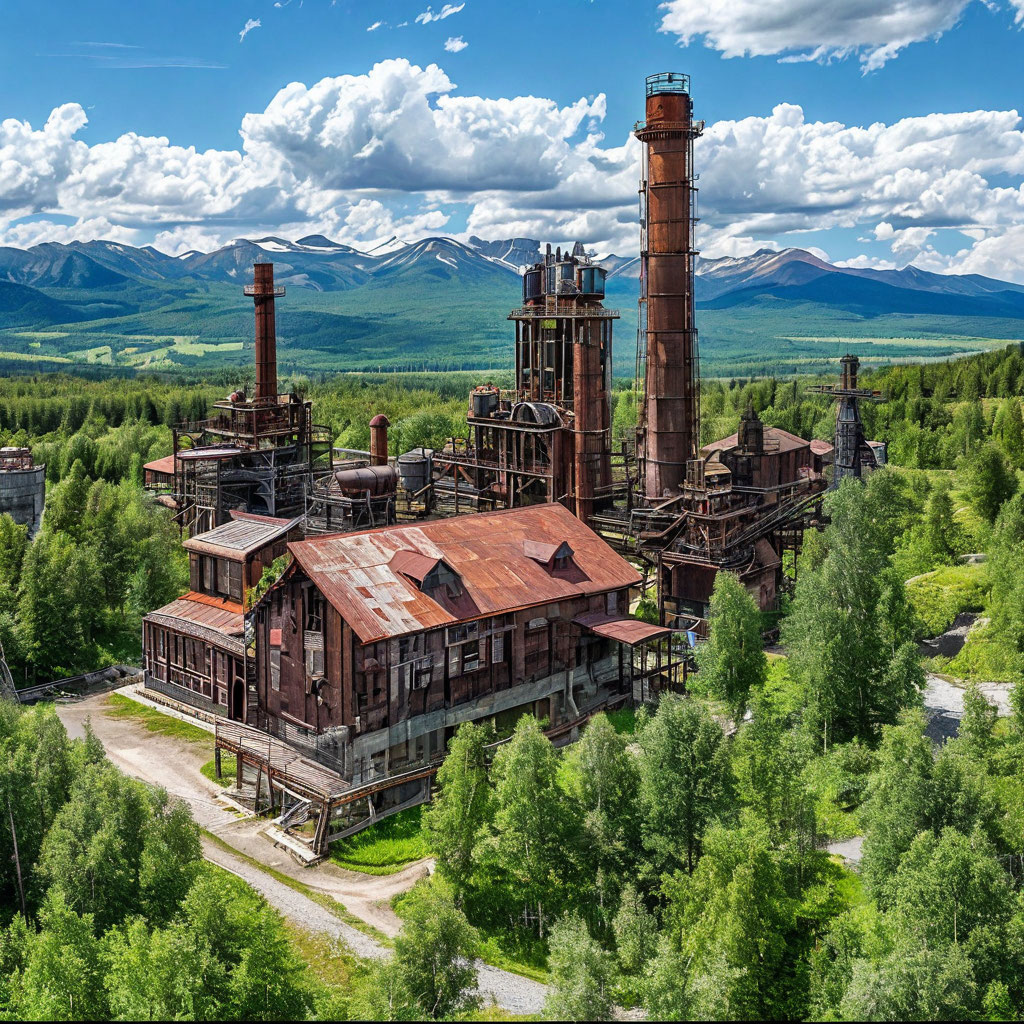
Transitioning from ancient to industrial heritage, the Voskresensky Copper Smelting Plant stands as a testament to the Urals’ industrial prowess. Established in the 18th century, this complex not only revolutionized metallurgy but also influenced architectural and urban planning in the region. Its well-preserved structures, including the Church of the Resurrection of the Word and the Voskresenskaya Art Gallery, offer a glimpse into the industrial era’s architectural evolution. ([whc.unesco.org](https://whc.unesco.org/en/tentativelists/6648?utm_source=openai))
Architectural Modernism: The White Tower of Yekaterinburg
In the heart of Yekaterinburg, the White Tower rises as a symbol of architectural innovation. Built in the early 20th century, this structure was initially conceived as an expressive object to become a city landmark. Over the years, it has transformed into a vibrant cultural venue, hosting festivals, exhibitions, and performances. Its restoration and adaptive reuse underscore the Urals’ commitment to preserving and repurposing its architectural heritage. ([en.wikipedia.org](https://en.wikipedia.org/wiki/White_Tower_%28Yekaterinburg%29?utm_source=openai))
Revitalizing Heritage: The Nurov Estate Project
Modern efforts to breathe new life into historical sites are exemplified by the redevelopment of the Nurov Estate in Yekaterinburg. This project, based on the concept of an art-cluster, aims to transform the estate into a hub of cultural and creative activities. By integrating historical preservation with contemporary use, the project highlights the dynamic interplay between past and present in the Urals’ cultural landscape. ([shs-conferences.org](https://www.shs-conferences.org/articles/shsconf/abs/2021/39/shsconf_ifsdr2021_01014/shsconf_ifsdr2021_01014.html?utm_source=openai))
Archaeological Tourism: A New Frontier
The Urals’ rich archaeological sites have also become focal points for tourism. The region’s unique blend of natural beauty and historical significance offers a compelling destination for travelers seeking to connect with the past. However, this surge in interest brings challenges in balancing preservation with accessibility. Efforts are underway to develop sustainable tourism models that respect the integrity of these sites while providing enriching experiences for visitors. ([eo.iea.ras.ru](https://eo.iea.ras.ru/en/article/22964/?utm_source=openai))
Conclusion: The Living Tapestry of the Urals
The Urals are more than just a geographical region; they are a living tapestry of human history and culture. From ancient megaliths to industrial landmarks, from prehistoric art to modern architectural feats, the Urals offer a unique lens through which to explore the evolution of human civilization. As we continue to uncover and preserve these sites, we not only honor the past but also enrich our understanding of the diverse cultural heritage that shapes our world today.
So, whether you’re an avid historian, an architecture enthusiast, or simply a curious traveler, the Urals beckon with stories waiting to be discovered. Come, explore, and let the echoes of the past guide your journey through this remarkable region.
