Future Prospects for the Ural Region in the 21st Century
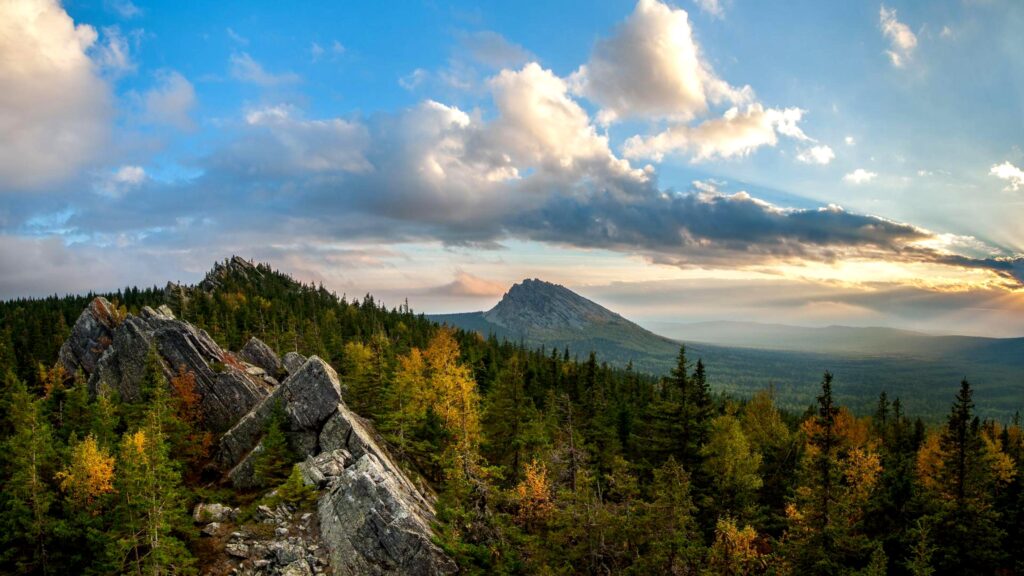
Imagine a land where ancient mountains meet modern industry, where rich cultural traditions blend seamlessly with technological innovation. Welcome to the Ural region—a place that has long been the heart of Russia’s industrial prowess and is now poised to redefine its future in the 21st century. Let’s embark on a journey to explore the evolving landscape of the Urals, uncovering its challenges, triumphs, and the promising horizon that lies ahead.
The Ural Region: A Tapestry of Industry and Culture
Stretching across the vast expanse of Russia, the Ural region encompasses several federal subjects, including Sverdlovsk, Chelyabinsk, Tyumen, and Kurgan oblasts, as well as the Republics of Bashkortostan and Udmurtia. This area is not just geographically significant but also culturally rich, serving as a melting pot of various ethnicities and traditions. The region’s strategic location has historically made it a hub for trade, culture, and, notably, industry.
Industrial Backbone: From Steel to Technology
For centuries, the Urals have been synonymous with heavy industry. The region’s abundant mineral resources have fueled its metallurgical plants, making it a cornerstone of Russia’s steel production. Companies like the Magnitogorsk Iron and Steel Works (MMK) and the Chelyabinsk Metallurgical Plant have been instrumental in shaping the industrial landscape. However, the 21st century has ushered in a new era of diversification and modernization.
Today, the Urals are embracing technological advancements, integrating automation and sustainable practices into their manufacturing processes. This shift not only enhances efficiency but also reduces environmental impact, aligning with global trends towards green technology. The region’s commitment to innovation is evident in its growing emphasis on research and development, fostering a culture of continuous improvement and adaptation.
Energy Resources: Powering the Future
The Urals are endowed with significant energy resources, including oil and natural gas reserves. The Tyumen Oblast, for instance, is home to the Samotlor oil field—the largest in Russia and the third-largest globally. This abundance has positioned the region as a pivotal player in Russia’s energy sector. However, the global shift towards renewable energy sources presents both challenges and opportunities for the Urals.
In response, the region is exploring sustainable energy solutions, investing in renewable energy projects, and seeking to balance its traditional energy strengths with the demands of a greener future. This transition is not just about environmental responsibility but also about economic diversification and resilience in a rapidly changing global market.
Education and Innovation: Nurturing Human Capital
At the heart of the Urals’ future prospects lies its commitment to education and innovation. Institutions like the Ural Federal University (UrFU) play a crucial role in this endeavor. With a diverse student body and a strong emphasis on research, UrFU is fostering the next generation of scientists, engineers, and entrepreneurs who will drive the region’s growth.
Moreover, the university’s collaborations with local industries ensure that academic research translates into practical applications, bridging the gap between theory and practice. This synergy between academia and industry is vital for the region’s competitiveness and adaptability in the global economy.
Infrastructure: Building Connections for Growth
Modern infrastructure is the backbone of economic development, and the Urals are investing heavily in this area. The region boasts an extensive network of roads, railways, and airports, facilitating efficient movement of goods and people. The development of the Northern Latitudinal Railway, for example, aims to enhance connectivity and stimulate economic activity across the region.
However, challenges remain. The vast distances and harsh climatic conditions require innovative engineering solutions and substantial investment. Addressing these infrastructural needs is crucial for unlocking the full potential of the Urals and ensuring sustainable development.
Environmental Stewardship: Balancing Industry and Nature
The industrial legacy of the Urals has left an indelible mark on its environment. Addressing ecological concerns is paramount for the region’s future. Efforts are underway to modernize industries, implement waste management strategies, and promote sustainable practices. These initiatives aim to mitigate environmental impact and ensure that economic growth does not come at the expense of ecological health.
Public works and infrastructure projects are being reimagined with environmental considerations at the forefront. This holistic approach reflects a growing recognition of the need to harmonize industrial activity with environmental stewardship, ensuring a livable and sustainable future for all residents.
Social Dynamics: Embracing Diversity and Inclusion
The Urals are a mosaic of cultures, languages, and traditions. This diversity is a source of strength, fostering a rich social fabric that contributes to the region’s resilience and creativity. Embracing this diversity involves promoting inclusivity, supporting minority communities, and ensuring equal opportunities for all residents.
Educational institutions, cultural organizations, and community initiatives are working together to celebrate this diversity, creating a cohesive society that values and respects its varied heritage. This social cohesion is essential for the region’s stability and prosperity in the 21st century.
Looking Ahead: A Vision for the Future
The Urals stand at a crossroads, balancing its storied industrial past with the promise of a diversified and sustainable future. By investing in education, embracing technological innovation, modernizing infrastructure, and prioritizing environmental and social well-being, the region is charting a course towards a dynamic and prosperous 21st century.
As the Urals continue to evolve, they offer a compelling example of how regions can adapt to global challenges while honoring their unique heritage. The future of the Urals is not just a continuation of its past but a bold reimagining of what is possible when tradition and innovation converge.
For more insights into the Urals’ development strategies and initiatives, you can explore the following resources:
