
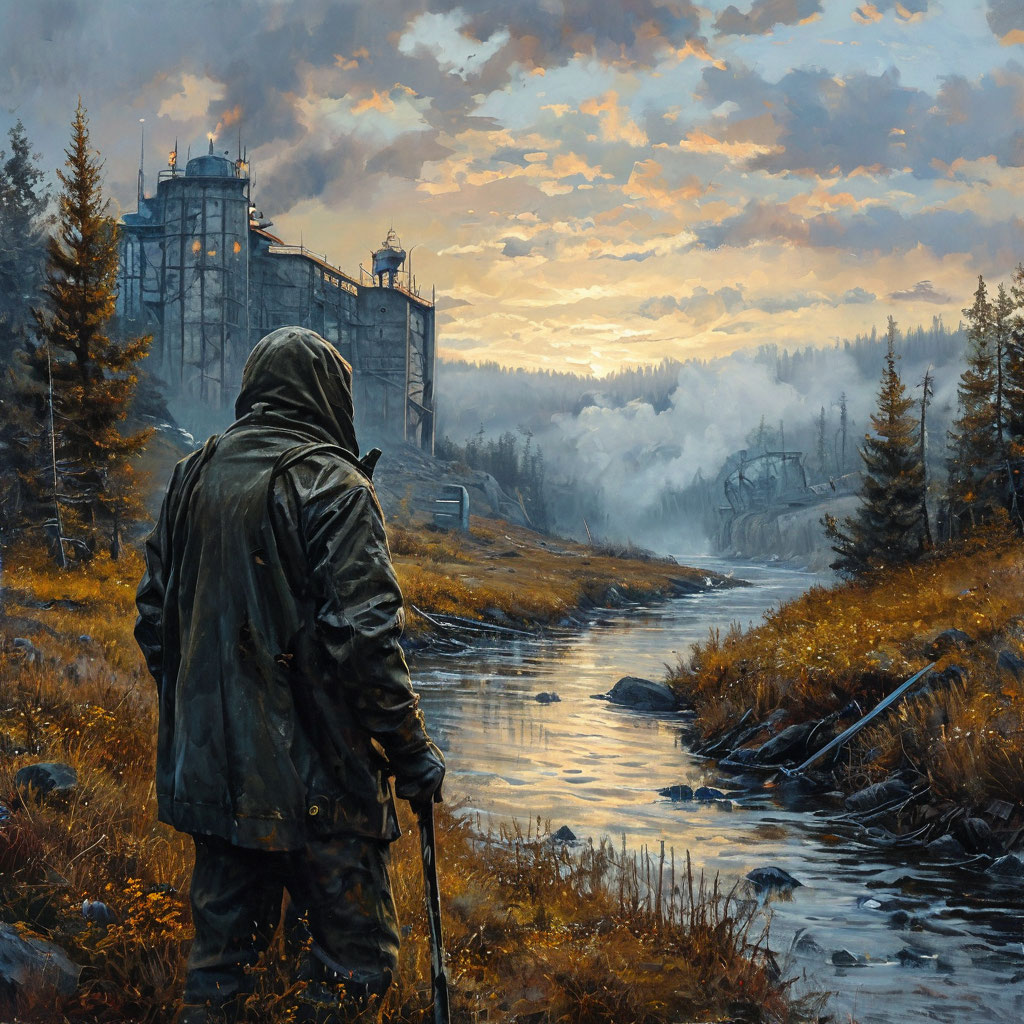
Polevskoy Mining District: The Legendary Serovsky Copper Snake
Imagine a land where the mountains whisper tales of ancient treasures, where the earth’s veins pulse with the promise of hidden riches. Welcome to the Polevskoy Mining District, a region in Russia’s Sverdlovsk Oblast, renowned for its rich history in copper mining and steeped in legends that have captivated generations. Let’s embark on a journey through time to uncover the stories of the Serovsky Copper Snake and the mystical Mistress of the Copper Mountain.
The Heart of the Ural Mountains
Located approximately 50 kilometers southwest of Yekaterinburg, Polevskoy is a town that sprang to life in the early 18th century. Its birth was intertwined with the discovery of abundant copper deposits, leading to the establishment of the Polevskoy Copper Smelting Plant in 1724. This plant not only processed the local copper but also gave rise to the town’s name, derived from the nearby Polevaya River. Over time, Polevskoy blossomed into a vibrant community, its identity deeply rooted in the mining industry.
The Gumyoshevsky Mine: A Treasure Trove
At the heart of Polevskoy’s mining legacy lies the Gumyoshevsky mine, affectionately known as “The Copper Mountain” by locals. This mine is among the oldest in the Ural Mountains, with its origins tracing back to the Bronze Age. In 1758, large deposits of oxidized copper were discovered here, marking a significant milestone in the region’s mining history. By the 18th century, the Gumyoshevsky mine was a major supplier of malachite, a green mineral prized for its beauty and used in decorating palaces like the Winter Palace and the Palace of Versailles. The mine’s exceptional quality malachite was also featured in museums worldwide, including the Museum für Naturkunde in Berlin. ([en.wikipedia.org](https://en.wikipedia.org/wiki/Gumyoshevsky_mine?utm_source=openai))
The Mistress of the Copper Mountain
Beyond its mineral wealth, the Gumyoshevsky mine is steeped in folklore, most notably the tale of the Mistress of the Copper Mountain. This legendary figure is depicted as a beautiful, green-eyed woman draped in a malachite gown or, in some versions, as a lizard. She is believed to be the protector and owner of hidden underground riches, capable of granting or withholding wealth from miners. The Mistress is said to be always surrounded by her servants, small lizards, which can be green, of various hues of blue, golden-speckled, glittering like mica, or patterned. ([en.wikipedia.org](https://en.wikipedia.org/wiki/The_Mistress_of_the_Copper_Mountain?utm_source=openai))
According to legend, encountering the Mistress can be both a blessing and a curse. She shows kindness to good people and skilled craftsmen, helping them find jewels and gold. However, if her conditions aren’t met, the person loses all his luck and skill, and can even die. This dual nature of the Mistress embodies the unpredictable and capricious spirit of the mountains. ([en.wikipedia.org](https://en.wikipedia.org/wiki/The_Mistress_of_the_Copper_Mountain?utm_source=openai))
The Great Snake: Guardian of Gold
Another captivating legend from the region is that of the Great Snake, or “Poloz the Great Snake.” This colossal serpent, believed to be 6–10 meters long, is said to be the guardian of all gold within the earth. The appearance of the Great Snake was often associated with the Polevskoy plant, and it was believed that the grass turned yellow where he touched the surface. Poloz and the snake trails in general indicate the location of gold. ([en.wikipedia.org](https://en.wikipedia.org/wiki/The_Great_Snake?utm_source=openai))
In the folklore, the Great Snake is not just a mere creature but a symbol of the mountains’ power and mystery. The miners believed that if a gold-bearing vein was lost, it meant that Poloz had taken this vein to another place. This belief reflects the deep connection between the people and the land, where nature’s forces were both revered and feared. ([en.wikipedia.org](https://en.wikipedia.org/wiki/The_Great_Snake?utm_source=openai))
Pavel Bazhov: The Chronicler of Ural Legends
The rich tapestry of Ural folklore, including tales of the Mistress of the Copper Mountain and the Great Snake, was meticulously documented by Pavel Bazhov. Born near the Sysert Mining Plant, Bazhov was deeply influenced by the stories told by the old miners and his own family members. These tales, known as “skaz,” were first published in 1936 and later compiled into the collection “The Malachite Casket.” Bazhov’s work has been translated into multiple languages, bringing the enchanting myths of the Ural Mountains to a global audience. ([en.wikipedia.org](https://en.wikipedia.org/wiki/The_Mistress_of_the_Copper_Mountain_%28fairy_tale%29?utm_source=openai))
The Legacy of Polevskoy
Today, the legacy of Polevskoy’s mining heritage and its rich folklore continues to captivate visitors and scholars alike. The town stands as a testament to the resilience and spirit of its people, who have long lived in harmony with the land’s mysteries. The tales of the Mistress of the Copper Mountain and the Great Snake serve as a reminder of the deep cultural and historical roots that define this unique region.
As you explore the Ural Mountains, let the legends of Polevskoy guide you through a landscape where history and myth intertwine, offering a glimpse into a world where the earth’s treasures are guarded by spirits both benevolent and formidable.
