Verkh-Isetsky Plant: The World’s Largest 18th-Century Ironworks
Imagine stepping back in time to the early 18th century, when the vast Russian Empire was on the brink of industrial transformation. Amidst the dense forests and rugged terrains of the Ural Mountains, a monumental endeavor was taking shape—a testament to human ingenuity and ambition. This was the birth of the Verkh-Isetsky Plant, a colossal ironworks that would not only shape the future of metallurgy but also leave an indelible mark on the region’s history.
The Genesis of an Industrial Giant
In 1726, under the visionary leadership of Wilhelm de Gennin, a German engineer and close associate of Tsar Peter the Great, the Verkh-Isetsky Plant was established. Located just two miles upstream from the burgeoning city of Yekaterinburg, the plant was strategically positioned along the Iset River. This site was chosen not only for its proximity to rich iron ore deposits but also for the abundant water resources essential for powering the plant’s operations. A massive dam was constructed, creating the Verkh-Isetsky Pond, which became the lifeblood of the plant’s energy needs.
Architectural Marvels and Technological Innovations
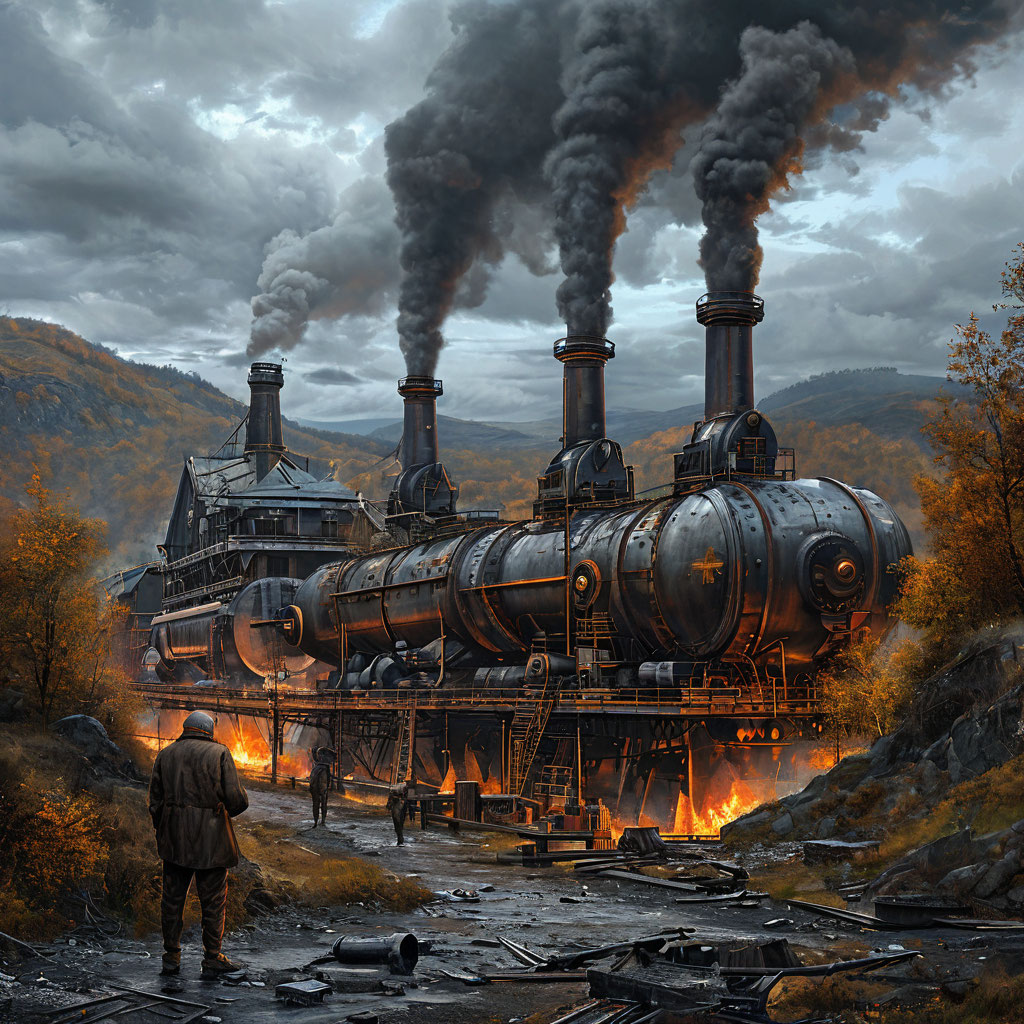
The scale and design of the Verkh-Isetsky Plant were unprecedented. The complex featured multiple blast furnaces, each towering over 18 meters high—a significant advancement over European counterparts of the time. These furnaces were capable of producing vast quantities of iron, setting new standards in metallurgy. The plant’s architecture was a blend of functionality and grandeur, with structures designed to withstand the rigors of industrial production while also serving as symbols of Russian engineering prowess.
Economic Impact and Global Recognition
By the mid-18th century, the Verkh-Isetsky Plant had become a cornerstone of Russia’s iron production. Its output was not only sufficient to meet domestic demands but also positioned Russia as a formidable player in the global iron market. The plant’s high-quality iron products, including sheet iron and cannonballs, gained international acclaim. In fact, the plant’s sheet iron was so esteemed that it was used for roofing in England, a testament to its superior quality and durability.
Ownership and Legacy
Ownership of the Verkh-Isetsky Plant underwent several transitions over the centuries. In 1758, the plant was acquired by Count Roman Vorontsov, a prominent figure in Russian nobility. However, in 1774, it was sold to Savva Yakovlev, a notable manufacturer of the time. Under Yakovlev’s stewardship, the plant continued to thrive, producing iron products that were integral to Russia’s military and economic strength. The Yakovlev family’s management persisted until 1918, marking a significant era in the plant’s storied history.
From Industrial Powerhouse to Cultural Landmark
The legacy of the Verkh-Isetsky Plant extends beyond its industrial achievements. In the early 21st century, the plant’s historic premises were transformed into a museum, preserving its rich heritage and showcasing the evolution of metallurgy. This initiative not only honors the plant’s industrial past but also serves as a cultural landmark, educating visitors about the pivotal role the plant played in shaping the region’s history and identity.
Conclusion: A Monument to Human Ingenuity
The Verkh-Isetsky Plant stands as a monumental testament to human ingenuity and ambition. From its ambitious inception in 1726 to its status as the world’s largest ironworks in the 18th century, the plant’s journey reflects the transformative power of industrialization. Its enduring legacy continues to inspire and educate, offering a window into a pivotal era of Russian history and the global industrial landscape.
