
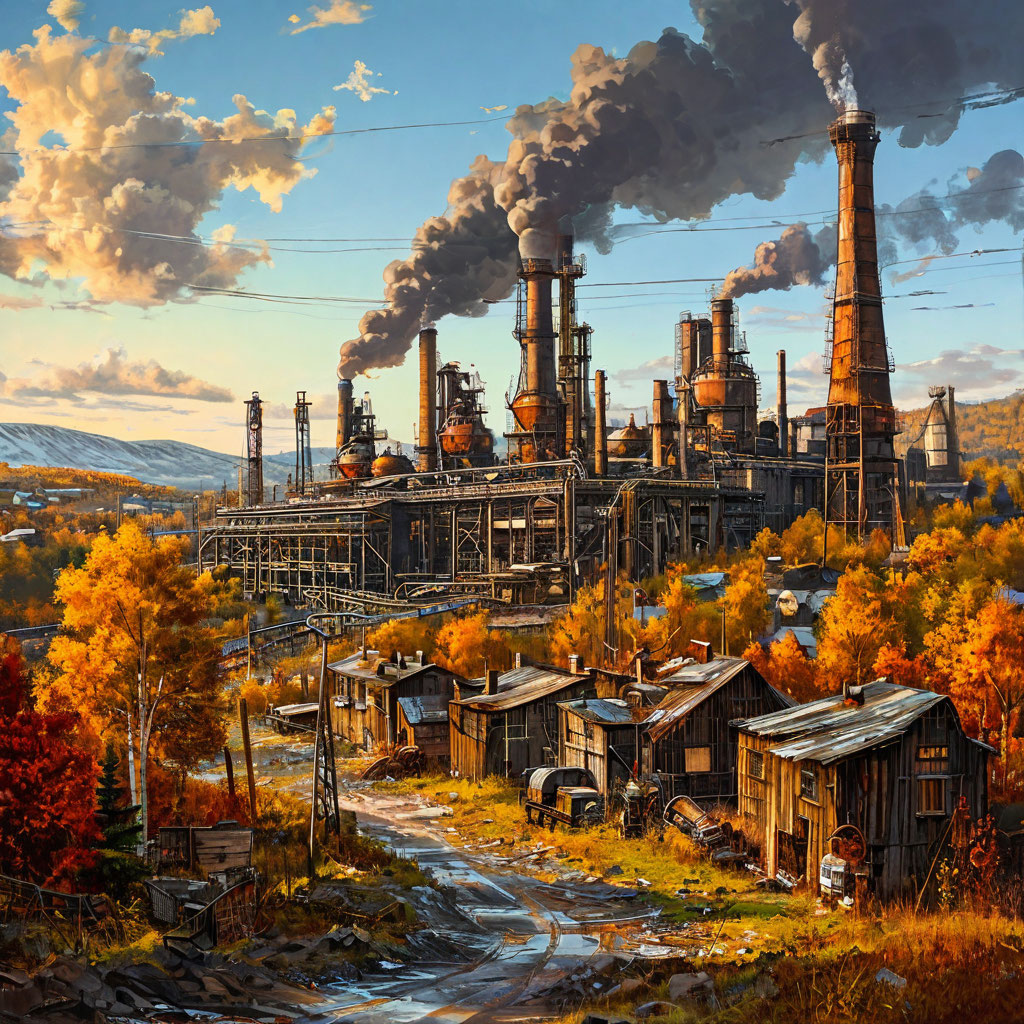
Technological Innovations in Ural Ironworks: Forging the Future in the 19th Century
Imagine standing amidst the towering furnaces and rhythmic hammering of the Ural ironworks in the 19th century. The air is thick with the scent of molten metal, and the ground vibrates with the pulse of industrial progress. This was a time when the Ural region of Russia transformed into a powerhouse of metallurgy, driven by groundbreaking technological innovations that reshaped the iron and steel industry.
The Dawn of Industrialization in the Urals
In the early 18th century, the Ural Mountains were a remote expanse, rich in natural resources but untouched by industrialization. The turning point came in 1702 when Tsar Peter the Great transferred the unfinished Nevyansk plant to the private ownership of Nikita Demidov. Recognizing the potential, Demidov expanded the plant, laying the foundation for what would become a network of 55 metallurgical plants, 40 of which were in the Urals. By 1740, these factories produced about 64% of all Ural iron and 46% of Russia’s total iron output, marking the Urals as a burgeoning industrial hub. ([en.wikipedia.org](https://en.wikipedia.org/wiki/History_of_metallurgy_in_the_Urals?utm_source=openai))
Revolutionizing Iron Production: The Puddling Process
As the 19th century unfolded, the demand for higher-quality iron surged, necessitating advancements in production methods. Enter the puddling process—a game-changer in metallurgy. This technique involved stirring molten pig iron in a reverberatory furnace to oxidize impurities, resulting in a purer form of iron. The process was labor-intensive and perilous, with workers often succumbing to the harsh conditions. Despite these challenges, puddling became widely adopted, significantly enhancing the quality and availability of iron. ([en.wikipedia.org](https://en.wikipedia.org/wiki/Industrial_Revolution?utm_source=openai))
Harnessing the Power of Steam and Hot Blast
The Industrial Revolution’s hallmark was the mastery of steam power, and the Urals were quick to embrace this force. In the 1830s, steam engines began powering blast furnaces, replacing traditional water wheels and dramatically increasing production capacity. This shift not only boosted efficiency but also marked a significant leap in industrialization. ([en.wikipedia.org](https://en.wikipedia.org/wiki/History_of_metallurgy_in_the_Urals?utm_source=openai))
Simultaneously, the hot blast technique, patented by James Beaumont Neilson in 1828, was introduced. By preheating the air blown into blast furnaces, this method reduced fuel consumption and increased furnace temperatures, leading to higher production rates. The Urals adopted hot blast technology, further cementing their status as a leading industrial center. ([en.wikipedia.org](https://en.wikipedia.org/wiki/Hot_blast?utm_source=openai))
Advancements in Steel Production: Bessemer and Open-Hearth Processes
The quest for stronger and more reliable materials led to the development of steel-making processes. The Bessemer process, introduced in the mid-19th century, allowed for the mass production of steel by blowing air through molten pig iron to remove impurities. This innovation significantly lowered production costs and made steel more accessible. The Urals quickly integrated this method, enhancing the quality and quantity of steel produced. ([en.wikipedia.org](https://en.wikipedia.org/wiki/Bessemer_process?utm_source=openai))
Concurrently, the open-hearth process emerged, offering greater control over the chemical composition of steel. This method became prevalent in the Urals, enabling the production of high-quality steel that met the growing demands of infrastructure and industry. ([en.wikipedia.org](https://en.wikipedia.org/wiki/History_of_metallurgy_in_the_Urals?utm_source=openai))
The Legacy of Ural Metallurgy
The 19th century was a transformative era for the Ural ironworks. Through the adoption of innovative techniques like puddling, hot blast, and advanced steel-making processes, the region not only met the industrial needs of Russia but also set global standards in metallurgy. The legacy of these advancements is evident in the enduring industrial landscape of the Urals, where the echoes of a bygone era continue to inspire modern engineering and manufacturing.
As you explore the rich history of the Ural ironworks, consider the ingenuity and resilience of those who forged the path to industrialization. Their innovations laid the groundwork for the modern world, and their story is a testament to human creativity and determination.
