
The Development of Chemical Industry in the Urals
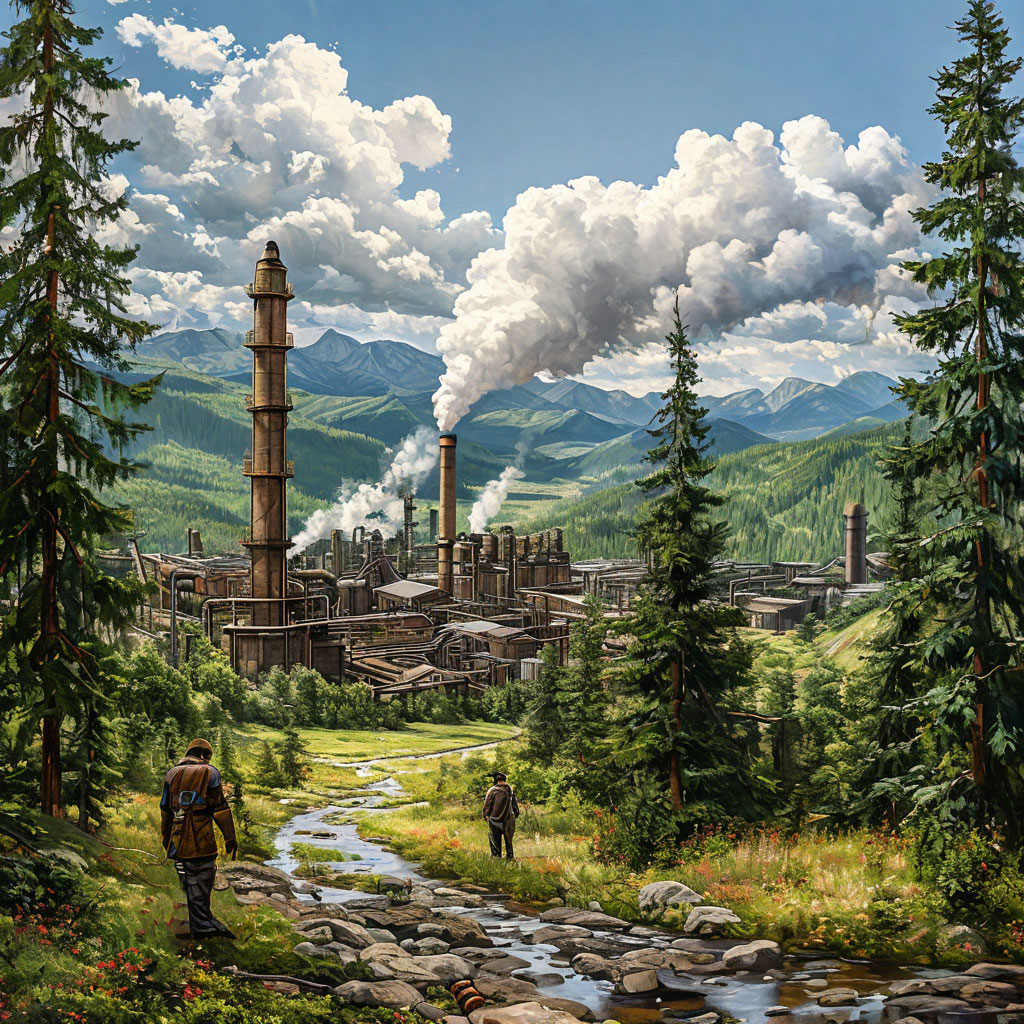
Imagine a vast expanse of rugged mountains, dense forests, and winding rivers stretching across the heart of Russia. This is the Ural region—a land rich in natural resources and steeped in history. In the 19th century, the Urals transformed from a remote wilderness into a bustling industrial hub, with the chemical industry playing a pivotal role in this metamorphosis.
The Birth of Chemical Industry in the Urals
The story begins in the mid-19th century, a time when the world was on the brink of industrial revolution. The Urals, known for their abundant mineral deposits, were ripe for industrialization. In 1868, a visionary named Kapiton Ushkov established a chemical plant in the region, marking the dawn of the chemical industry in the Urals. This plant, which later became the Karpov Chemical Plant, laid the foundation for a thriving chemical sector that would shape the region’s future.
Industrial Expansion and Innovation
The success of Ushkov’s venture inspired others to explore the potential of chemical manufacturing. The late 19th century witnessed a surge in chemical enterprises across the Urals. These factories produced a variety of chemicals, including fertilizers, dyes, and pharmaceuticals, catering to both domestic and international markets.
One notable example is the development of the first phosphoric factory in Russia, built in Perm in 1871. This facility not only contributed to the local economy but also positioned Perm as a significant player in the chemical industry. The city’s strategic location along the Kama River facilitated the transportation of raw materials and finished products, further boosting its industrial growth.
The Role of the Demidov Family
No discussion of Ural industry is complete without mentioning the Demidov family. In the 18th century, the Demidovs were among the wealthiest industrialists in Russia, controlling several metallurgical plants in the Urals. Their influence extended beyond metallurgy, as they recognized the potential of chemical manufacturing and invested in its development. Their patronage and forward-thinking approach were instrumental in establishing the Urals as a center of chemical production.
Challenges and Triumphs
The journey was not without its challenges. The region faced issues such as resource depletion, labor unrest, and technological limitations. However, the resilience and ingenuity of the Ural people led to innovative solutions. For instance, the introduction of steam engines and advanced metallurgical techniques improved production efficiency and product quality. These advancements not only bolstered the chemical industry but also set the stage for future industrial achievements in the region.
Legacy and Modern Significance
Fast forward to the present day, and the legacy of 19th-century chemical industry in the Urals is evident. The region remains a powerhouse in chemical production, contributing significantly to Russia’s economy. Cities like Perm continue to host major chemical enterprises, producing a wide array of products that serve both domestic and global markets.
The historical development of the chemical industry in the Urals is a testament to human ingenuity and determination. It highlights how a region, once isolated and underdeveloped, can transform into a thriving industrial center through vision, innovation, and hard work. The Urals’ journey from a remote wilderness to an industrial powerhouse serves as an inspiring chapter in the story of human progress.
As you explore the rich tapestry of the Urals’ industrial history, consider the countless individuals whose efforts and innovations have shaped the region. Their stories are woven into the very fabric of the Urals, leaving a legacy that continues to influence and inspire.
