
The Transformation of Ural Metallurgy in the 19th Century
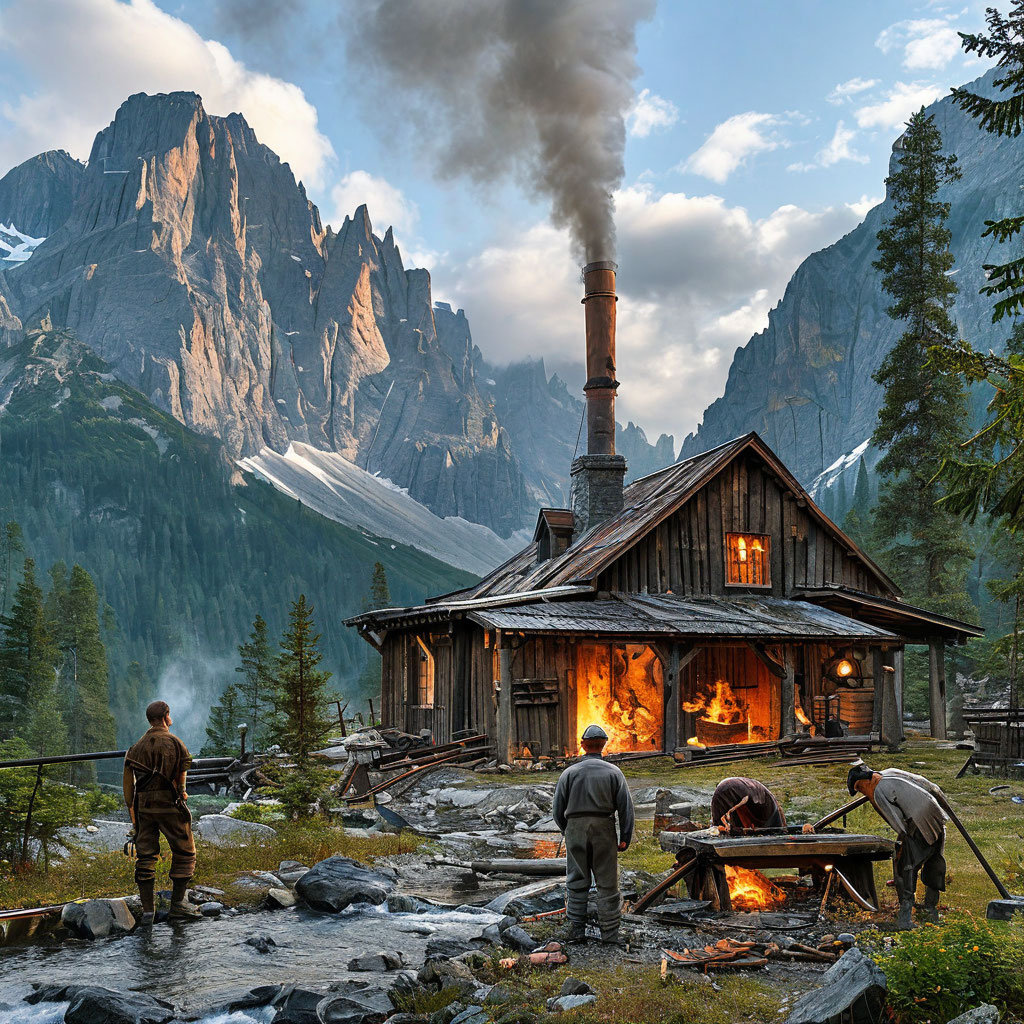
Imagine standing amidst the vast, rugged landscapes of the Ural Mountains in the 19th century. The air is thick with the scent of pine and the rhythmic clang of hammers shaping molten metal. This was a time when the Urals, a region straddling Europe and Asia, underwent a remarkable industrial metamorphosis, becoming the heart of Russia’s metallurgical industry. Let’s embark on a journey through this transformative era, exploring the innovations, challenges, and the indomitable spirit that defined Ural metallurgy.
The Dawn of Industrialization
In the early 1800s, the Urals were a tapestry of dense forests and untapped mineral wealth. The region’s ironworks, established in the 17th century, were primarily small-scale operations. However, the winds of change were stirring. The Industrial Revolution, which had swept through Europe, began to cast its influence eastward. The Urals, with their rich deposits of iron ore and coal, were poised to become a focal point of this industrial surge.
Introduction of Steam Power
One of the most significant advancements was the introduction of steam engines. Initially, these engines were temperamental and consumed vast amounts of firewood, making them a costly addition to the factories. Yet, their potential was undeniable. By the 1830s, steam engines became more reliable, and their adoption accelerated. In 1834, the Cherepanov family, renowned engineers from the Urals, constructed Russia’s first steam locomotive, symbolizing the region’s embrace of modernity. This locomotive was not just a marvel of engineering but also a testament to the ingenuity of the Ural people. It was designed to transport ore from the Vysokogorsky mine to the Vysky plant, reducing the reliance on traditional horse-drawn carts and marking a significant leap in industrial transportation.
Advancements in Metallurgical Processes
As the 19th century progressed, the Urals became a hotbed of metallurgical innovation. The introduction of the puddling process in the 1820s revolutionized iron production. This method allowed for the production of higher-quality iron by removing impurities, leading to stronger and more durable materials. By 1861, 201 puddling furnaces were operational across 58 factories in the Urals, underscoring the widespread adoption of this technique. The success of the puddling process was not just a technical achievement but also a catalyst for economic growth, as it enabled the production of superior iron products that met the growing demands of both domestic and international markets.
In 1857, the Bessemer process, a groundbreaking steel-making technique, was introduced in the Urals. This method involved blowing air through molten iron to remove impurities, producing steel more efficiently and at a lower cost. The Vsevolodo-Vilvensky plant conducted the first experiments with this process, marking a significant milestone in the region’s industrial evolution. The adoption of the Bessemer process was a game-changer, positioning the Urals at the forefront of steel production and solidifying its reputation as a global industrial powerhouse.
The Rise of Metallurgical Centers
The 19th century witnessed the emergence of several key metallurgical centers in the Urals, each contributing uniquely to the region’s industrial landscape.
Yekaterinburg: The Industrial Beacon
Founded in 1723, Yekaterinburg was initially a modest ironworks. However, by the 19th century, it had transformed into a bustling industrial hub. The city’s strategic location, abundant resources, and innovative spirit attracted a diverse workforce, including skilled craftsmen from Europe. This influx of talent spurred technological advancements and fostered a culture of continuous improvement. The Yekaterinburg plant’s blast furnaces were more economical and productive than their English and Swedish counterparts, consuming significantly less charcoal per 100 kg of iron. This efficiency not only boosted production but also set new standards in metallurgical practices.
Votkinsk: The Forge of Innovation
Votkinsk, established between 1760 and 1763, was strategically located near the Kama River, providing easy access to transportation and abundant forests for fuel. In 1811, the plant began producing steel and cast iron, a remarkable achievement for its time. This was made possible by the ingenuity of engineer S.I. Badaev, a self-taught metallurgist who revolutionized the industry with his innovative method. The high-quality steel produced at Votkinsk was utilized in manufacturing a diverse array of tools, from metal-cutting instruments to medical equipment, showcasing the plant’s versatility and adaptability. The success of Votkinsk highlighted the importance of innovation and adaptability in the rapidly evolving industrial landscape of the Urals.
Kamensk-Uralsky: The Industrial Powerhouse
Kamensk-Uralsky, established in 1700, was among the earliest metallurgical plants in the region. Over the centuries, it evolved into a significant industrial center, contributing substantially to the Ural’s metallurgical output. The plant’s strategic location and continuous technological advancements enabled it to play a pivotal role in meeting the growing demands of both domestic and international markets. Kamensk-Uralsky’s resilience and adaptability underscored the dynamic nature of the Ural’s industrial development during the 19th century.
Challenges and Triumphs
Despite the rapid advancements, the Ural metallurgical industry faced numerous challenges. The depletion of nearby forests led to increased transportation costs for firewood, straining production expenses. To mitigate this, production facilities were relocated to areas with abundant forests, ensuring a steady supply of fuel. This strategic move not only addressed the immediate fuel shortage but also spurred the development of new industrial centers, contributing to the overall growth of the region’s metallurgical industry.
Moreover, the reliance on serf labor posed ethical and social challenges. The harsh conditions and lack of personal freedoms led to unrest and uprisings. The government responded with reforms, including the eventual emancipation of the serfs in 1861, aiming to address these systemic issues. The transition from serfdom to free labor was a complex process, but it laid the foundation for a more dynamic and efficient workforce, essential for sustaining industrial growth.
The Legacy of Ural Metallurgy
The 19th century was a defining period for Ural metallurgy. The region’s ability to innovate, adapt, and overcome challenges transformed it into a global industrial leader. The introduction of new metallurgical processes, the establishment of key industrial centers, and the resilience of its people left an indelible mark on Russia’s industrial history. Today, the legacy of Ural metallurgy continues to influence modern industrial practices, serving as a testament to the enduring spirit of innovation and determination that characterized this remarkable era.
As we reflect on this transformative period, we gain insight into the complexities of industrialization and the human stories that drive technological progress. The Urals, with their rich history and cultural heritage, offer valuable lessons on resilience, innovation, and the relentless pursuit of progress.
For a more in-depth exploration of the history of metallurgy in the Urals, you can refer to the detailed account available on Wikipedia. ([en.wikipedia.org](https://en.wikipedia.org/wiki/History_of_metallurgy_in_the_Urals?utm_source=openai))
