
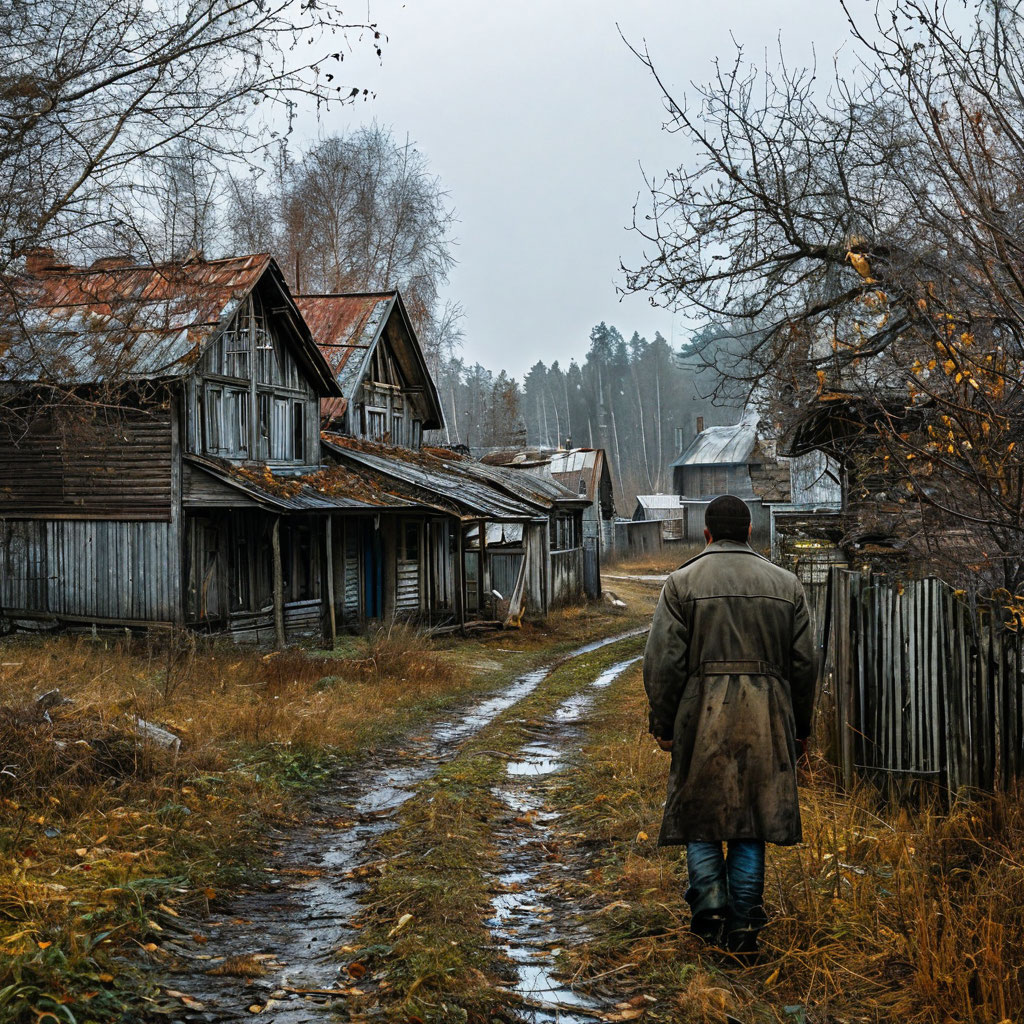
The Great Famine of 1921–1922 in the Ural Region
Imagine a vast expanse stretching from the Ural Mountains to the Volga River, a land rich in natural resources and cultural heritage. Now, picture this region in the early 1920s, grappling with one of the most devastating famines in its history. The Great Famine of 1921–1922 was not just a tragedy; it was a turning point that reshaped the Ural region and left an indelible mark on its people.
The Prelude to Disaster
In the aftermath of World War I and amidst the chaos of the Russian Civil War, the Ural region found itself in turmoil. The Soviet government’s policy of “war communism,” particularly the practice of prodrazvyorstka (grain requisitioning), aimed to supply the Red Army with necessary resources. However, this policy often led to the confiscation of grain reserves from the peasantry, leaving little for personal consumption and sowing the seeds for future disaster.
Adding to the crisis was a severe drought in 1921. The Ural region, already reeling from the effects of war and political upheaval, faced crop failures that exacerbated the food shortage. The combination of these factors set the stage for a catastrophe of unprecedented proportions.
The Onset of the Famine
By the summer of 1921, the signs were unmistakable. Fields that should have been lush with grain stood barren. Livestock perished due to lack of feed, and the once-thriving communities began to feel the pangs of hunger. The famine was not confined to the rural areas; cities like Chelyabinsk and Orenburg saw their populations swell with refugees from the countryside, all seeking sustenance and shelter.
In Chelyabinsk, the situation was dire. The city became a focal point for the starving masses. The local authorities, overwhelmed by the scale of the crisis, struggled to provide for the influx of people. Makeshift shelters sprang up, and the streets were filled with the emaciated and the desperate. The mortality rate soared, and the city grappled with the grim reality of mass starvation.
The Human Cost
The human toll of the famine was staggering. In the Orenburg Governorate, approximately 570,000 people were affected, including 268,000 children. The mortality rate was alarmingly high, with entire families succumbing to hunger and disease. The famine also led to social breakdowns, with reports of cannibalism and other desperate measures taken by the starving populace.
In the Chelyabinsk Governorate, the situation was equally harrowing. The mortality rate was so high that entire villages were depopulated. The famine’s impact was not just physical; it left deep psychological scars on the survivors, many of whom would carry the trauma for the rest of their lives.
International Aid and Relief Efforts
Recognizing the scale of the disaster, international organizations stepped in to provide assistance. The American Relief Administration (ARA), led by Herbert Hoover, played a pivotal role in alleviating the suffering. The ARA established feeding stations, distributed food packages, and provided medical aid to the starving population. Their efforts were instrumental in saving countless lives and mitigating the worst effects of the famine.
Despite these efforts, the relief was insufficient to fully address the needs of the affected population. The famine’s aftermath left the region economically devastated, with agriculture and industry in ruins. The scars of the famine were evident in the depopulated villages, the orphaned children, and the communities struggling to rebuild their lives.
The Legacy of the Famine
The Great Famine of 1921–1922 was a defining moment for the Ural region. It exposed the vulnerabilities of the Soviet system and highlighted the dire consequences of policies that disregarded the well-being of the populace. The famine also led to significant demographic changes, with many people migrating to other regions in search of better living conditions.
In the years that followed, the Ural region embarked on a slow and painful recovery. The memory of the famine remained a somber chapter in the region’s history, serving as a reminder of the resilience of its people and the importance of compassionate governance.
Conclusion
The Great Famine of 1921–1922 was more than just a historical event; it was a testament to human endurance in the face of unimaginable hardship. The Ural region, with its rich tapestry of cultures and history, emerged from the shadows of the famine with a renewed sense of purpose and a commitment to ensuring that such a tragedy would never be repeated. The lessons learned from this dark period continue to resonate, reminding us of the fragility of life and the enduring strength of the human spirit.
