
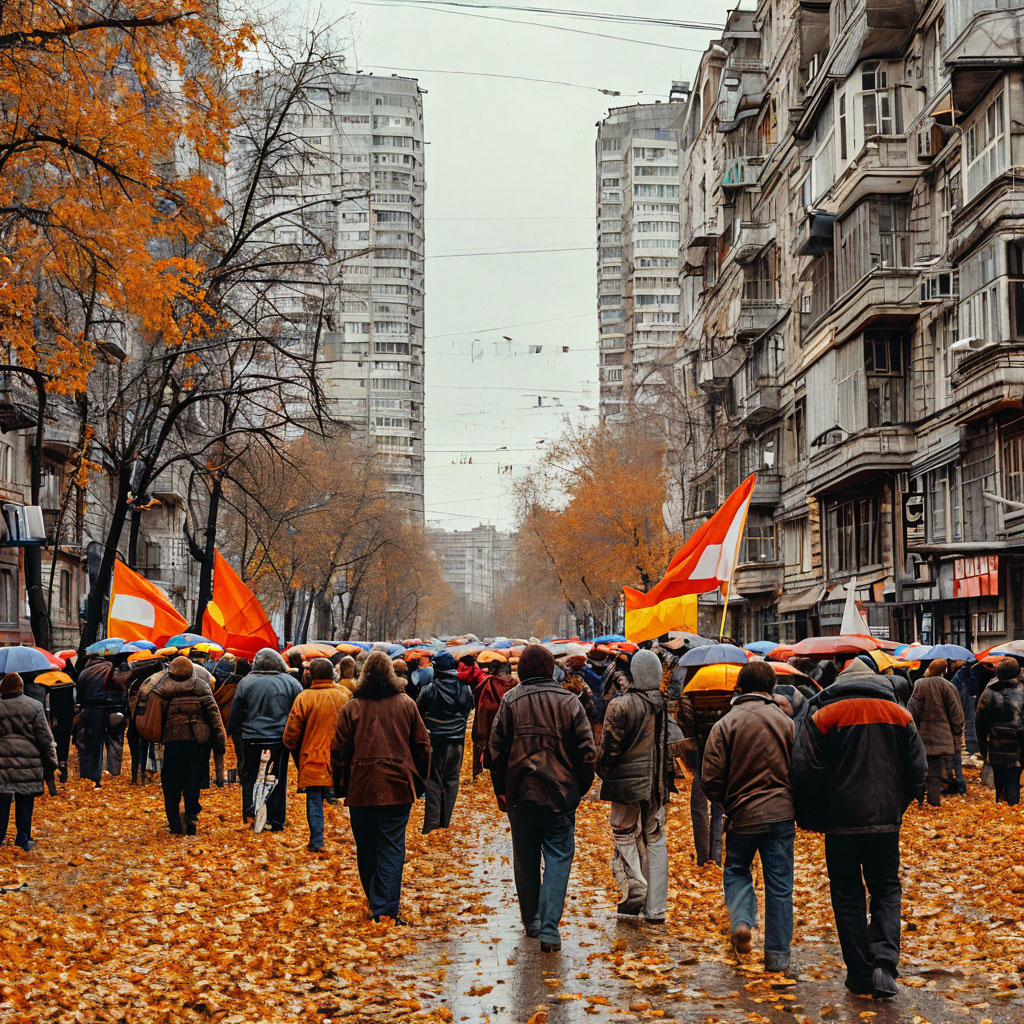
The Role of the Urals in the 1993 Russian Constitutional Crisis
Imagine a vast expanse of rugged mountains and dense forests, stretching across the heart of Russia. This is the Urals—a region rich in history, culture, and industry. In 1993, the Urals found themselves at the epicenter of a political storm that would reshape the nation’s future. Let’s journey back to that pivotal year and explore how the Urals played a crucial role in the Russian Constitutional Crisis.
The Seeds of Discontent
In the early 1990s, Russia was undergoing profound transformations. The Soviet Union had collapsed, and the Russian Federation was grappling with its newfound independence. Amidst this upheaval, the Urals—a region known for its industrial prowess and diverse population—began to feel the weight of economic hardships and political uncertainties. The question on many minds was: How can we secure a better future for our people?
The Rise of the Ural Republic
On July 1, 1993, the Sverdlosk Regional Council took a bold step. They declared the establishment of the Ural Republic, aiming to elevate the region’s status within the Russian Federation. This move was not just about autonomy; it was about ensuring that the Urals had a voice in shaping their destiny. As the council’s declaration stated, the goal was to “strengthen the integrity of Russia.” ([kommersant.ru](https://www.kommersant.ru/doc/1966881?utm_source=openai))
But why this sudden push for a republic? The answer lies in the disparities between Russia’s federal subjects. While republics enjoyed certain privileges, such as greater economic and legislative independence, regions like the Urals felt sidelined. The Ural Republic was envisioned as a means to address these imbalances and foster a more equitable federation. ([russian7.ru](https://russian7.ru/post/kak-ural-khotel-stat-respublikoy-v-1993-go/?utm_source=openai))
The Federal Response
However, the federal government in Moscow viewed this move with suspicion. President Boris Yeltsin and his administration were wary of any actions that might challenge the unity of the Russian Federation. The declaration of the Ural Republic was seen as a potential threat to national cohesion. Therefore, the federal authorities acted swiftly to quash the initiative. ([lenta.ru](https://lenta.ru/articles/2023/11/09/ural_republic/?utm_source=openai))
The Clash of Titans
As tensions escalated, the conflict between the federal government and regional leaders intensified. The Urals, with their bold move, became a symbol of regional aspirations and the struggle for autonomy. This clash was not just about a single region; it was about the very nature of Russia’s federal structure and the balance of power between Moscow and its regions. ([ru.wikipedia.org](https://ru.wikipedia.org/wiki/%D0%9A%D0%BE%D0%BD%D1%81%D1%82%D0%B8%D1%82%D1%83%D1%86%D0%B8%D0%BE%D0%BD%D0%BD%D1%8B%D0%B9_%D0%BA%D1%80%D0%B8%D0%B7%D0%B8%D1%81_%D0%B2_%D0%A0%D0%BE%D1%81%D1%81%D0%B8%D0%B8_%281992%E2%80%941993%29?utm_source=openai))
The Aftermath and Legacy
By November 1993, the federal government had effectively dissolved the Ural Republic, reinstating the previous administrative structure. Despite this, the events of that year left an indelible mark on Russia’s political landscape. The Urals had dared to challenge the status quo, sparking a national conversation about federalism, autonomy, and the rights of regions within the federation. ([ru.wikipedia.org](https://ru.wikipedia.org/wiki/%D0%A3%D1%80%D0%B0%D0%BB%D1%8C%D1%81%D0%BA%D0%B0%D1%8F_%D1%80%D0%B5%D1%81%D0%BF%D1%83%D0%B1%D0%BB%D0%B8%D0%BA%D0%B0?utm_source=openai))
In the years that followed, the Urals continued to be a vital part of Russia’s industrial and cultural identity. The lessons learned from the 1993 crisis influenced subsequent discussions on federalism and regional governance. The Urals, with their rich history and resilient spirit, remain a testament to the complexities and challenges of balancing regional aspirations with national unity.
Through this journey, we’ve glimpsed the pivotal role the Urals played in the 1993 Russian Constitutional Crisis. Their story is a reminder of the delicate dance between regional identity and national cohesion—a theme that resonates in many parts of the world today.
