
Urban Transformation of Ural Cities in the 21st Century
Imagine a region where ancient traditions meet cutting-edge technology, where industrial heritage coexists with vibrant cultural life. Welcome to the Ural Mountains, a vast expanse that has undergone remarkable urban transformations in the 21st century. Let’s embark on a journey through this dynamic region, exploring how cities like Yekaterinburg, Chelyabinsk, and Tyumen have reinvented themselves, blending the old with the new.
The Industrial Backbone: A Legacy of the Past
The Ural region has long been the industrial heart of Russia. Cities like Yekaterinburg and Chelyabinsk were built upon a foundation of heavy industry, with factories and plants dotting the landscape. However, as the 21st century unfolded, these industrial giants faced challenges. Many factories became obsolete, and the once-thriving industrial zones began to show signs of decay.
But rather than succumbing to decline, the Ural cities embarked on a journey of reinvention. The concept of “rehabilitation” emerged, focusing on repurposing these industrial sites into vibrant urban spaces. This approach not only preserved the architectural heritage but also breathed new life into the urban environment. For instance, former factory buildings were transformed into cultural centers, art galleries, and community hubs, fostering a sense of pride and connection among residents.
Yekaterinburg: A City Reimagined
Yekaterinburg, the administrative center of Sverdlovsk Oblast, stands as a testament to urban transformation. Once known for its heavy industries, the city has diversified its economy, embracing sectors like information technology, finance, and education. By 2023, Yekaterinburg had become one of Russia’s leading centers for software development, with IT companies accounting for approximately 70% of the country’s SaaS project revenue. This shift has attracted a young, dynamic workforce, eager to contribute to the city’s growth.
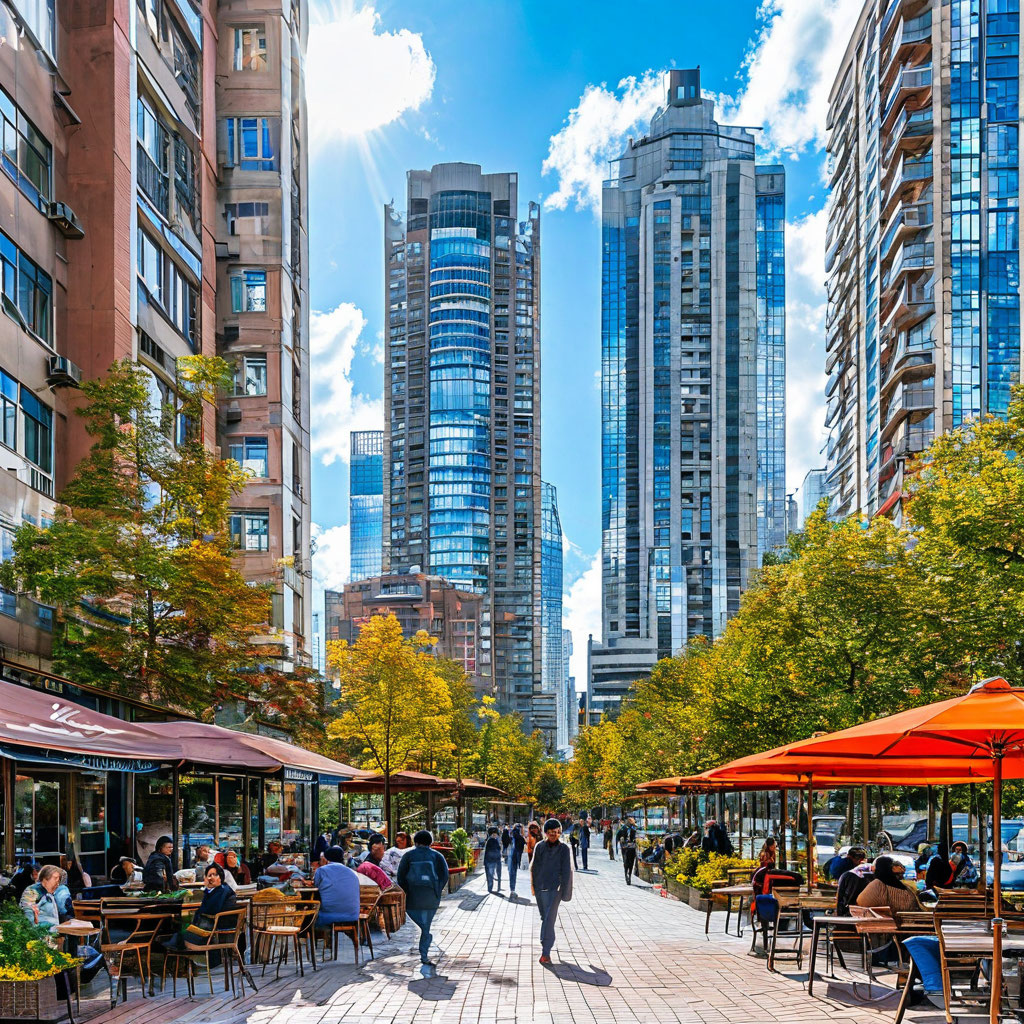
Architecturally, Yekaterinburg has undergone a renaissance. The skyline now boasts modern skyscrapers, such as the “Vysotsky” tower and the “Iset” tower, symbolizing the city’s economic vitality. Yet, amidst this modernity, the city has preserved its historical charm. The “Yeltsin Center,” dedicated to Russia’s first president, Boris Yeltsin, serves as a cultural and educational hub, bridging the past and present. This blend of old and new creates a unique urban landscape that honors its heritage while embracing the future.
Chelyabinsk: From Steel City to Cultural Hub
South of Yekaterinburg lies Chelyabinsk, a city once synonymous with steel production. The decline of the steel industry posed significant challenges, but Chelyabinsk responded with resilience. The city invested in infrastructure, improved public services, and promoted cultural initiatives. The transformation is evident in the revitalization of public spaces, the establishment of art galleries, and the hosting of international festivals. These efforts have attracted tourists and investors, breathing new life into the city’s economy and spirit.
Tyumen: A Gateway to the Future
Tyumen, often referred to as the gateway to Siberia, has also embraced urban transformation. The city has focused on improving its urban environment, enhancing public transportation, and developing green spaces. Tyumen’s commitment to sustainable development is evident in its eco-friendly initiatives, such as the creation of urban parks and the promotion of green building standards. These efforts have made Tyumen an attractive destination for both residents and visitors, showcasing the potential of urban renewal in the Ural region.
Challenges and Opportunities: Balancing Growth with Heritage
While the urban transformations in the Ural cities are commendable, they are not without challenges. Balancing rapid development with the preservation of cultural and historical sites requires careful planning. The risk of gentrification, where rising property values displace long-time residents, is a concern that cities must address. Moreover, ensuring that economic growth benefits all citizens, including marginalized communities, remains a priority.
However, these challenges also present opportunities. The focus on sustainable development, inclusive growth, and cultural preservation can serve as a model for other regions undergoing similar transformations. By learning from the experiences of the Ural cities, urban planners and policymakers can develop strategies that promote harmonious development, respect for heritage, and economic prosperity.
Conclusion: The Ural’s Urban Renaissance
The 21st century has been a period of profound change for the Ural cities. Through innovation, resilience, and a commitment to preserving their rich heritage, these cities have reinvented themselves. The urban transformations in Yekaterinburg, Chelyabinsk, and Tyumen illustrate the dynamic nature of urban development, where history and modernity coexist, creating vibrant, sustainable, and inclusive urban environments. As you explore these cities, you’ll witness a unique blend of the old and the new, a testament to the enduring spirit of the Ural region.
For a deeper dive into the rehabilitation of industrial territories in Ural cities, you can refer to the research conducted by the Ural Federal University. Their study provides valuable insights into the strategies and outcomes of urban transformation in the region. [https://elar.urfu.ru/handle/10995/60566]
