
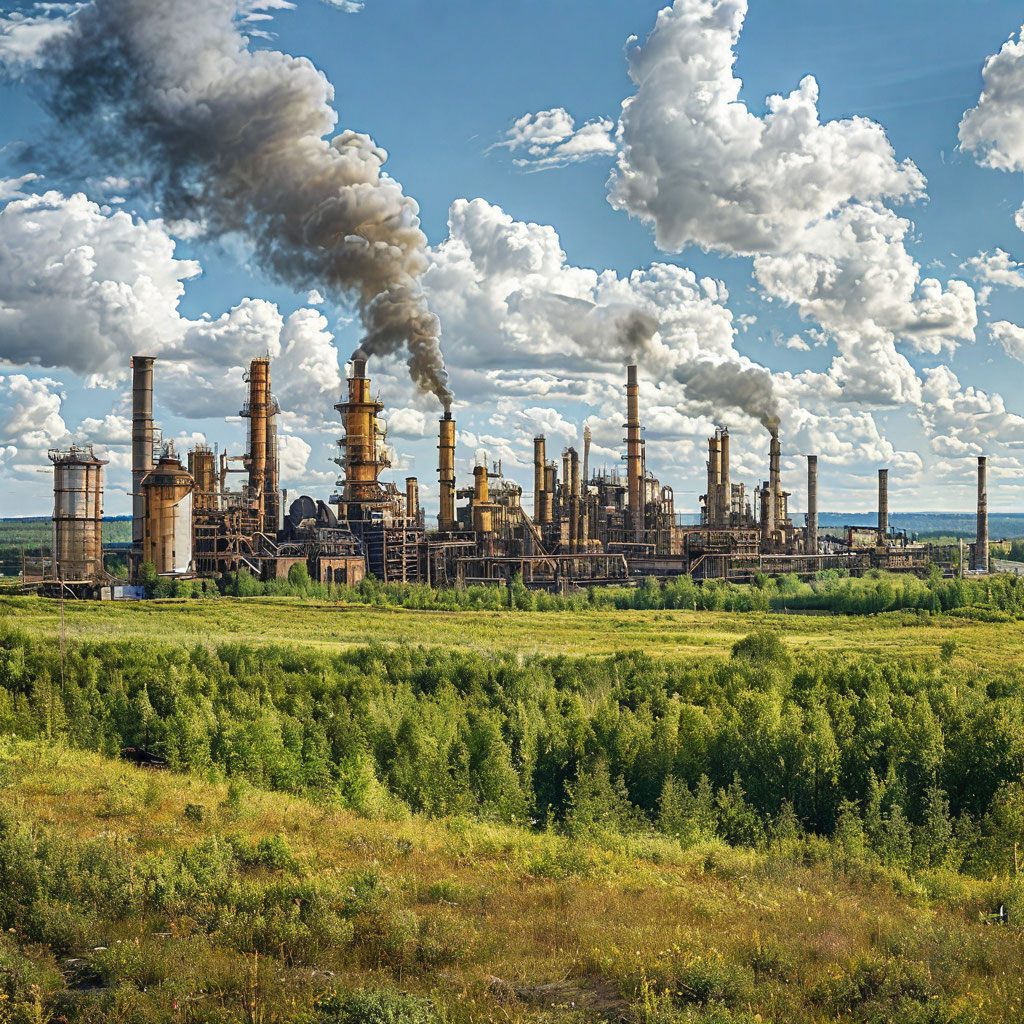
Environmental Challenges in the Ural Region: A Deep Dive into the Heart of Russia
Imagine a vast expanse stretching from the European to the Asian part of Russia, a land rich in minerals, history, and culture. This is the Ural region—a place where the past and present intertwine, and where environmental challenges have become a pressing concern in the 21st century. Let’s embark on a journey to uncover the environmental issues facing this unique region and explore the efforts being made to address them.
The Industrial Backbone: A Blessing and a Curse
The Ural Mountains have long been the industrial powerhouse of Russia. From the extraction of precious metals like gold and platinum to the production of steel and machinery, the region has been at the forefront of the nation’s industrial achievements. However, this industrial boom has come at a significant environmental cost.
Air Pollution: The Smog Over Industrial Cities
In cities like Chelyabinsk and Magnitogorsk, the air is thick with pollutants. The heavy reliance on coal and other fossil fuels for energy and industrial processes has led to high concentrations of sulfur dioxide, nitrogen oxides, and particulate matter in the atmosphere. These pollutants not only degrade air quality but also pose serious health risks to the residents.
Water Contamination: Rivers in Peril
The Ural River, once a lifeline for many communities, now faces severe pollution. Industrial discharges have introduced heavy metals such as copper, zinc, and iron into the water, making it unsafe for consumption and harming aquatic life. The situation is exacerbated by the fact that only 20% of enterprises in the region conduct full water purification, leaving a significant portion of wastewater untreated. ([rcycle.net](https://rcycle.net/ekologiya/gidrosfera/ekologicheskie-problemy-reki-ural-masshtab-i-puti-resheniya?utm_source=openai))
Soil Degradation: The Silent Crisis
Soil contamination is another pressing issue. The accumulation of industrial waste, including hazardous chemicals and heavy metals, has led to the degradation of soil quality. This not only affects agriculture but also poses risks to human health through the food chain.
Environmental Hotspots: Cities at the Epicenter
Several cities in the Ural region have become focal points for environmental concerns due to their industrial activities.
Kara-Balta: The Legacy of Mining
Once a thriving mining town, Kara-Balta now grapples with the aftermath of decades of mining operations. The soil and water are heavily contaminated with mercury, cadmium, and other toxic substances, making it a prime example of the environmental toll of unchecked industrialization. ([ru.wikipedia.org](https://ru.wikipedia.org/wiki/%D0%9A%D0%B0%D1%80%D0%B0%D0%B1%D0%B0%D1%88?utm_source=openai))
Chelyabinsk: The City of Steel and Smog
Known as the “City of Steel,” Chelyabinsk has long been associated with heavy industry. The city’s air quality is among the worst in Russia, with high levels of sulfur dioxide and particulate matter. The health implications for the population are significant, with increased rates of respiratory diseases and other health issues. ([ecologanna.ru](https://ecologanna.ru/ekologicheskie-problemy/ekologicheskie-problemy-urala?utm_source=openai))
Ufa: The Chemical Hub
Ufa, the capital of Bashkortostan, is a major center for the chemical industry. The 1989-1990 chemical disaster at the “UfaKhimProm” plant released phenols into the rivers, leading to widespread contamination. Although improvements have been made, the legacy of this disaster continues to affect the region’s water quality. ([ru.wikipedia.org](https://ru.wikipedia.org/wiki/%D0%93%D0%B5%D0%BE%D0%B3%D1%80%D0%B0%D1%84%D0%B8%D1%8F_%D0%A3%D1%84%D1%8B?utm_source=openai))
Addressing the Challenges: Steps Toward a Greener Future
Recognizing the severity of these environmental issues, efforts are underway to mitigate the damage and promote sustainable development in the Ural region.
Industrial Modernization: Cleaner Technologies
Many enterprises are investing in modernizing their facilities to reduce emissions and waste. The transition to cleaner technologies aims to decrease the environmental footprint of industrial activities. For instance, the Kara-Balta mining company has implemented measures to reduce mercury emissions and rehabilitate contaminated sites. ([ru.wikipedia.org](https://ru.wikipedia.org/wiki/%D0%9A%D0%B0%D1%80%D0%B0%D0%B1%D0%B0%D1%88?utm_source=openai))
Environmental Regulations: Stricter Enforcement
The Russian government has introduced stricter environmental regulations and monitoring systems to hold industries accountable for their environmental impact. These measures include regular inspections, fines for non-compliance, and incentives for adopting eco-friendly practices.
Community Engagement: Raising Awareness
Local communities are becoming more engaged in environmental issues, advocating for cleaner air and water. Public awareness campaigns and environmental education programs are empowering citizens to take an active role in preserving their environment.
The Road Ahead: Balancing Industry and Ecology
The Ural region stands at a crossroads. The challenge lies in balancing the economic benefits of industrialization with the imperative of environmental conservation. Sustainable development practices, technological innovation, and community involvement are key to ensuring that the Ural’s rich industrial heritage does not come at the expense of its natural beauty and the health of its inhabitants.
As we look to the future, the story of the Ural region serves as a poignant reminder of the delicate interplay between human progress and environmental stewardship. It underscores the importance of responsible industrial practices and the need for a collective effort to safeguard our planet for future generations.
For more insights into the environmental challenges and initiatives in the Ural region, you can refer to the following sources:
