
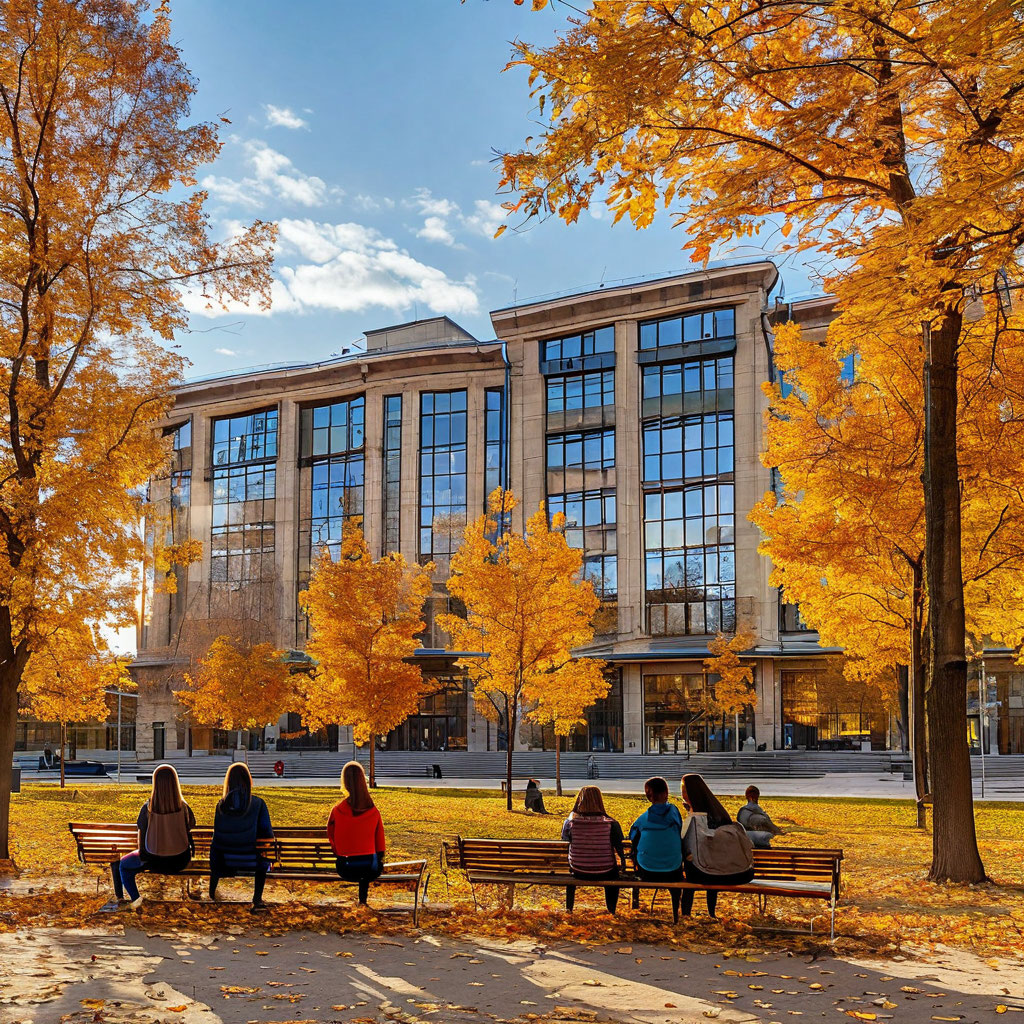
Educational Reforms in Ural Universities: A Journey of Transformation and Innovation
Imagine a region where the echoes of industrial heritage blend seamlessly with the vibrant pulse of modern education. Welcome to the Ural region of Russia, a land renowned for its rich history and dynamic evolution. In the 21st century, Ural universities have embarked on a remarkable journey of transformation, embracing reforms that have reshaped their educational landscapes. Let’s delve into this fascinating story of change, resilience, and innovation.
The Dawn of a New Era: Mergers and Modernization
At the turn of the millennium, the Ural region witnessed a significant shift in its educational paradigm. In 2011, two prominent institutions—Ural State Technical University and Ural State University—merged to form the Ural Federal University (UrFU). This strategic consolidation aimed to create a powerhouse of knowledge and research, positioning the university as a leader in the Russian educational sphere. The merger not only streamlined administrative processes but also fostered interdisciplinary collaboration, setting the stage for groundbreaking advancements in various fields.
Embracing Global Standards: Project 5-100
In 2013, Russia launched Project 5-100, a bold initiative designed to elevate the global standing of its leading universities. The goal was ambitious: to propel at least five Russian universities into the top 100 worldwide rankings by 2020. Ural Federal University was among the select institutions chosen to participate in this transformative project. Through substantial investments in research, infrastructure, and international partnerships, UrFU made significant strides toward enhancing its global competitiveness. While the ultimate target was not fully realized, the journey led to a remarkable increase in the number of Russian universities featured in international rankings, reflecting a broader commitment to academic excellence.
Digital Transformation: Paving the Path to the Future
The digital age has ushered in a new era of learning and teaching. Ural universities have been at the forefront of this revolution, integrating digital technologies to enrich the educational experience. A comprehensive study involving 300 students from the Ural Federal District revealed a high readiness among students to engage in digital learning environments. This enthusiasm was particularly pronounced among those in technical and IT disciplines. However, the study also highlighted challenges, such as disparities between students’ readiness and the existing technical infrastructure of universities. To bridge this gap, there is a pressing need to bolster the technical capabilities of educational institutions and enhance faculty training in digital pedagogy. Such efforts are crucial for the effective implementation of digitalization processes in higher education. ([repository.globethics.net](https://repository.globethics.net/handle/20.500.12424/4060450?utm_source=openai))
Industry Collaboration: Bridging Education and Industry
Recognizing the importance of aligning educational outcomes with industry needs, Ural universities have fostered strong collaborations with local industries. A prime example is the establishment of the Technical University of UMMC in 2013. Operated by the Ural Mining and Metallurgical Company, this institution focuses on providing advanced training for industry workers, ensuring that graduates possess the skills and knowledge demanded by the evolving industrial landscape. This partnership exemplifies the symbiotic relationship between academia and industry, driving innovation and economic growth in the region. ([en.wikipedia.org](https://en.wikipedia.org/wiki/Technical_University_of_UMMC?utm_source=openai))
Research and Innovation: Fueling Regional Development
Research and innovation have been pivotal in the transformation of Ural universities. The integration of research activities into educational programs has not only enhanced the quality of education but also contributed to regional development. For instance, Ural Federal University has been actively involved in projects aimed at sustainable development, collaborating with local schools to promote environmental consciousness among students. Such initiatives underscore the university’s commitment to addressing regional challenges through innovative solutions. ([arxiv.org](https://arxiv.org/abs/1909.03429?utm_source=openai))
Challenges and Resilience: Navigating the Path Ahead
Despite the strides made, Ural universities face several challenges. Financial constraints, the need for continuous curriculum updates, and the integration of new teaching methodologies require ongoing attention. Moreover, the digital divide poses a significant hurdle, necessitating investments in infrastructure and faculty development. However, the resilience and adaptability demonstrated by these institutions provide a solid foundation for overcoming these obstacles. By fostering a culture of continuous improvement and embracing change, Ural universities are well-positioned to navigate the complexities of the modern educational landscape.
Conclusion: A Tapestry of Tradition and Transformation
The story of educational reforms in Ural universities is one of transformation, innovation, and unwavering commitment to excellence. By embracing mergers, global initiatives, digitalization, industry collaboration, and research-driven development, these institutions have not only enhanced their educational offerings but have also contributed significantly to the socio-economic development of the Ural region. As they continue to evolve, Ural universities stand as a testament to the power of education in shaping a prosperous and sustainable future.
