
Ural’s Response to Climate Change Challenges
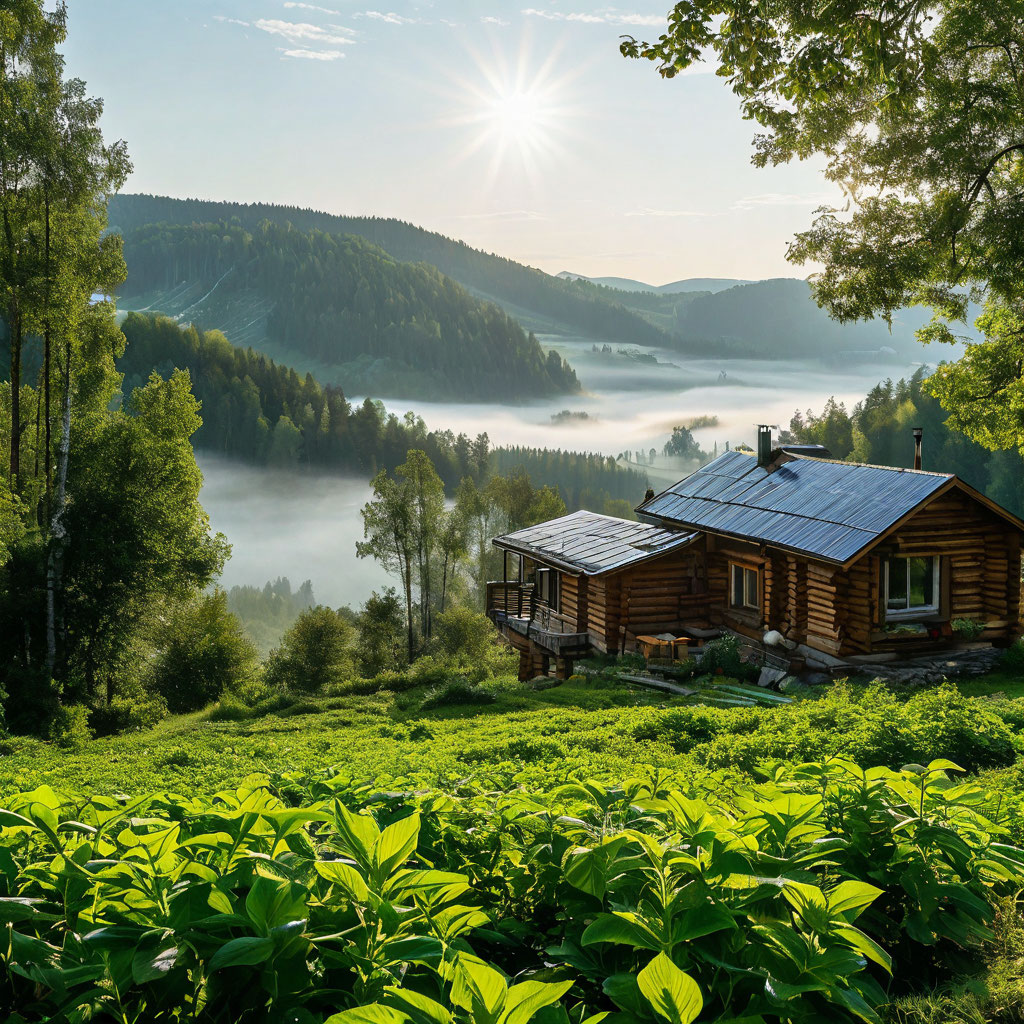
Imagine standing on the vast expanse of the Ural Mountains, stretching from the Arctic tundra in the north to the temperate forests in the south. This region, rich in history and natural beauty, is now confronting the profound impacts of climate change. Let’s embark on a journey through the Ural’s evolving climate landscape and explore how its people and ecosystems are adapting to these unprecedented challenges.
The Warming Trend: A New Climate Reality
Over the past century, the Ural region has experienced a significant rise in average temperatures. In cities like Yekaterinburg, the average annual temperature has increased by over 3 degrees Celsius. This warming trend has led to noticeable shifts in seasonal patterns, with winters becoming shorter and milder. For instance, the duration of the snowy period in Yekaterinburg has decreased from 190 to 150 days, signaling a clear departure from traditional climatic norms. ([vedomostiural.ru](https://vedomostiural.ru/news/klimaticheskie-izmeneniya-v-ekaterinburge-rost-temperatur-i-s/?utm_source=openai))
Melting Glaciers and Changing Landscapes
The warming climate has also taken a toll on the Ural’s glaciers. Once majestic ice formations, these glaciers are retreating at an alarming rate. The Manaraga Glacier, for example, has completely melted away, and others have significantly diminished in size. This loss not only alters the region’s physical landscape but also affects local ecosystems that depend on these ice reserves. ([rg.ru](https://rg.ru/2019/03/09/reg-urfo/globalnoe-poteplenie-na-urale-pomogaet-kleshcham-i-ubivaet-belyh-medvedej.html?utm_source=openai))
Shifting Ecosystems: From Tundra to Forest
As temperatures rise, the Ural’s ecosystems are undergoing profound transformations. The boundary between forests and tundra is moving northward, leading to the encroachment of forests into areas previously dominated by tundra. This shift threatens unique alpine species and disrupts traditional ways of life for indigenous communities who have relied on these ecosystems for generations. ([rg.ru](https://rg.ru/2019/03/09/reg-urfo/globalnoe-poteplenie-na-urale-pomogaet-kleshcham-i-ubivaet-belyh-medvedej.html?utm_source=openai))
Extreme Weather Events: A Growing Concern
The Ural region has witnessed an increase in extreme weather events, including severe floods and wildfires. In April 2024, the Ural River and its tributaries experienced a significant flood, with water levels rising two meters above the danger mark. Cities like Orenburg and Orsk were severely affected, highlighting the region’s vulnerability to such events. ([ru.wikipedia.org](https://ru.wikipedia.org/wiki/%D0%9D%D0%B0%D0%B2%D0%BE%D0%B4%D0%BD%D0%B5%D0%BD%D0%B8%D0%B5_%D0%BD%D0%B0_%D0%A3%D1%80%D0%B0%D0%BB%D0%B5_%282024%29?utm_source=openai))
Adapting Agriculture: Embracing New Crops
Farmers in the Ural are responding to the changing climate by diversifying their crops. The warmer temperatures have made it feasible to cultivate southern crops like corn and sunflowers, which were previously unsuitable for the region. This adaptation not only boosts local agriculture but also contributes to food security in the face of climate uncertainties. ([rg.ru](https://rg.ru/2023/09/14/reg-urfo/rajoniruiut-mogar.html?utm_source=openai))
Urban Challenges: Infrastructure and Water Management
Urban areas in the Ural are grappling with the impacts of climate change on infrastructure. The warming climate has led to accelerated aging of buildings due to temperature fluctuations. Additionally, increased rainfall and rapid snowmelt have overwhelmed existing water drainage systems, leading to urban flooding and necessitating significant investments in infrastructure upgrades. ([eanews.ru](https://eanews.ru/mir/20221013113523/rosgidromet-raz-yasnil-kak-menyaetsya-klimat-na-urale?utm_source=openai))
Community Resilience: Embracing Change
Despite the challenges, communities across the Ural are demonstrating remarkable resilience. Indigenous groups are integrating traditional knowledge with modern scientific approaches to adapt to the changing environment. Collaborative efforts between local authorities, scientists, and residents are fostering innovative solutions to mitigate the effects of climate change and preserve the region’s unique cultural heritage.
Looking Ahead: A Call to Action
The Ural’s response to climate change is a testament to the region’s adaptability and determination. However, the path forward requires continued vigilance, research, and collaboration. By embracing sustainable practices, investing in resilient infrastructure, and fostering community engagement, the Ural can navigate the challenges posed by a warming world and continue to thrive.
For more insights into the Ural’s climate challenges and adaptive strategies, you can refer to the following sources:
