Demographic Changes in the Ural Region: A Journey Through Time
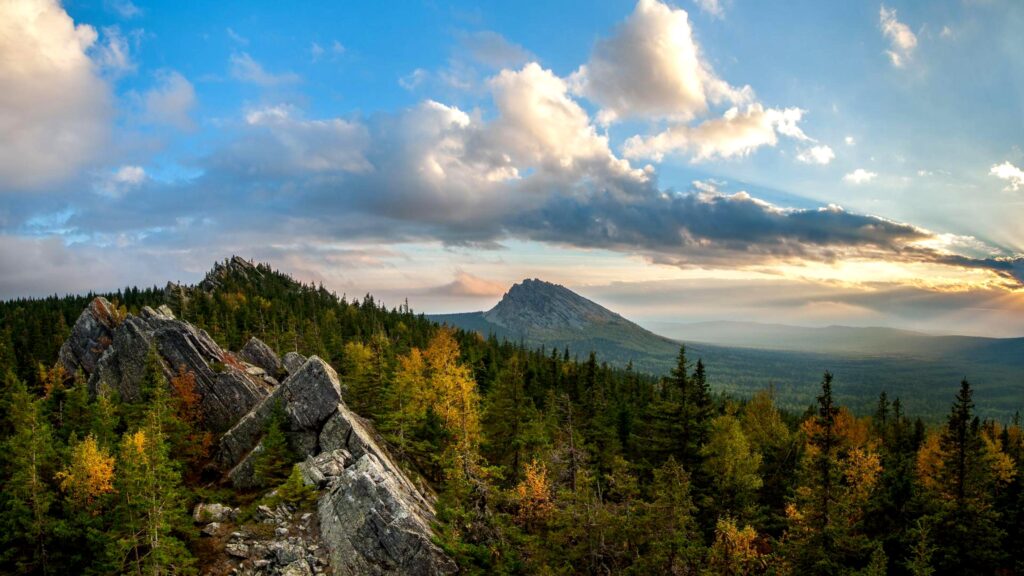
Imagine a vast expanse stretching from the European plains to the Asian steppes, where the Ural Mountains stand as a natural divide. This is the Ural region, a land rich in history, culture, and transformation. Let’s embark on a journey to explore the demographic shifts that have shaped this unique part of Russia over the past two decades.
The Ural Region: A Brief Overview
The Ural region, often referred to as the “gateway between Europe and Asia,” encompasses several federal subjects, including Sverdlovsk Oblast, Chelyabinsk Oblast, Kurgan Oblast, and Tyumen Oblast. Each of these areas contributes to the rich tapestry of the region’s demographic landscape.
Population Trends: A Tale of Growth and Decline
In the early 2000s, the Ural Federal District faced a population decline, mirroring the broader trend across Russia. However, by 2010, the tide began to turn. The population of the Ural Federal District increased slightly from 12.08 million to 12.35 million people by 2019, marking a modest yet significant recovery. This uptick was largely driven by the Khanty-Mansi and Yamalo-Nenets autonomous okrugs and Tyumen Oblast, regions that experienced positive natural population growth during the 2000s. In contrast, the Southern Ural regions continued to see population decreases, highlighting the uneven demographic shifts within the district. ([link.springer.com](https://link.springer.com/article/10.1134/s2079970522700526?utm_source=openai))
Urbanization: The Rise of the Cities
Urbanization has been a defining feature of the Ural region’s demographic evolution. As of 2014, the urbanization ratio in the Ural Federal District was 79.9%, slightly surpassing the Russian average of 74.0%. This trend reflects a global movement towards urban living, with cities like Yekaterinburg and Chelyabinsk emerging as economic and cultural hubs. Yekaterinburg, for instance, saw its population grow from 1,349,772 in 2010 to 1,544,376 in 2021, underscoring its status as a major urban center. ([en.wikipedia.org](https://en.wikipedia.org/wiki/Yekaterinburg?utm_source=openai))
Migration Patterns: The Push and Pull Factors
Migration has played a pivotal role in shaping the Ural region’s demographic landscape. The early 2000s witnessed significant outflows from areas like Kurgan Oblast, which lost a third of its population over nearly three decades. Factors such as high mortality rates and limited economic opportunities contributed to this trend. However, the positive natural population growth in regions like Tyumen Oblast and the Khanty-Mansi Autonomous Okrug attracted migrants seeking better prospects, leading to a more balanced demographic distribution. ([europeanproceedings.com](https://www.europeanproceedings.com/article/10.15405/epsbs.2019.12.04.4?utm_source=openai))
Ethnic Composition: A Melting Pot of Cultures
The Ural region is a mosaic of ethnicities, each adding its unique flavor to the cultural landscape. Russians constitute the majority in most oblasts, but significant communities of Tatars, Bashkirs, Kazakhs, and Ukrainians also call this region home. For example, in Sverdlovsk Oblast, Russians make up 90.6% of the population, with Tatars at 3.5% and Ukrainians at 0.9%. This diversity fosters a rich cultural tapestry, evident in the region’s festivals, cuisine, and traditions. ([en.wikipedia.org](https://en.wikipedia.org/wiki/Sverdlovsk_Oblast?utm_source=openai))
Age Demographics: The Aging Population Challenge
Like many parts of Russia, the Ural region faces an aging population. Life expectancy varies across the oblasts, with Chelyabinsk Oblast recording 69.16 years in 2021 and Sverdlovsk Oblast at 68.79 years. The aging demographic poses challenges for healthcare, employment, and social services, necessitating strategic planning to ensure a sustainable future. ([en.wikipedia.org](https://en.wikipedia.org/wiki/Chelyabinsk_Oblast?utm_source=openai), [en.wikipedia.org](https://en.wikipedia.org/wiki/Sverdlovsk_Oblast?utm_source=openai))
Economic Impacts: The Link Between Demographics and Industry
The demographic shifts in the Ural region are closely tied to its industrial landscape. The decline in population in certain areas has been linked to the reduction in passenger traffic, reflecting broader economic challenges. Conversely, regions experiencing population growth have seen increased economic activity, highlighting the interplay between demographics and industry. ([revistaespacios.com](https://www.revistaespacios.com/a20v41n01/20410116.html?utm_source=openai))
Looking Ahead: The Future of the Ural Region
The Ural region stands at a crossroads. While some areas grapple with population decline and aging demographics, others thrive with growth and diversity. The future will depend on how effectively the region addresses these challenges, harnesses its cultural richness, and leverages its industrial strengths. By embracing its unique position as a bridge between Europe and Asia, the Ural region can chart a path toward a vibrant and sustainable future.
In conclusion, the demographic changes in the Ural region over the past two decades tell a story of resilience, adaptation, and transformation. From the bustling streets of Yekaterinburg to the serene landscapes of Kurgan Oblast, each corner of this vast region contributes to the rich mosaic that defines the Urals. Understanding these shifts offers valuable insights into the broader patterns of Russian society and the dynamic forces shaping its future.
