
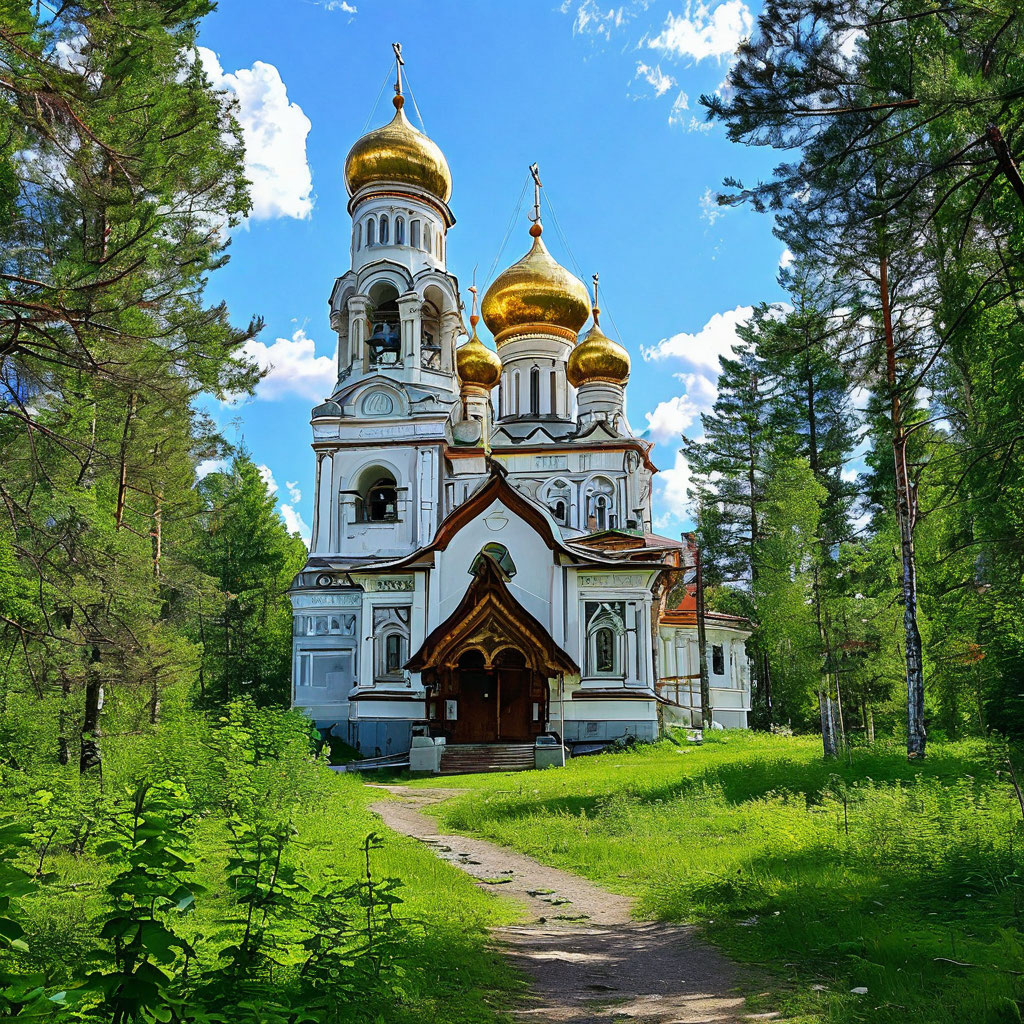
Kungur Ice Cave Town: From Stroganov Sloboda to Fair Capital
Imagine stepping into a world where history, legend, and natural wonder intertwine. Welcome to Kungur, a town nestled in the heart of Russia’s Ural Mountains, renowned for its mesmerizing Ice Cave and rich cultural heritage. Let’s embark on a journey through time to uncover the stories that have shaped this unique town.
The Birth of Kungur
Our story begins in 1648, when Kungur was founded as a fortress on the banks of the Kungurka River. Strategically positioned, it quickly became a vital stopover for travelers journeying to Siberia. By the mid-18th century, Kungur had blossomed into a bustling center of trade and industry, particularly in leather goods. Its rope and linseed oil were highly sought after, and the town’s population swelled as it became a hub for artisans and merchants alike.
The Enigmatic Ice Cave
But Kungur’s most captivating feature lies beneath its surface—the Kungur Ice Cave. Discovered in 1703 by the geographer Semyon Remezov, the cave stretches over 5.6 kilometers, with only a portion accessible to the public. Inside, visitors are greeted by a breathtaking array of ice formations, underground lakes, and stalactites and stalagmites that have formed over millennia. The cave’s unique climate, with temperatures ranging from -32°C to 5.2°C, preserves its icy beauty year-round, making it a must-visit destination for adventurers and nature enthusiasts.
Legends and Lore
The Ice Cave is steeped in legends that add to its allure. One tale speaks of a foreign princess who, after tripping on a set of narrow stone steps within the cave, returned home to find herself married. This story has given rise to the belief that women who stumble on these steps will soon find their own prince charming. Such myths weave a tapestry of enchantment around the cave, inviting visitors to explore its depths and perhaps discover a bit of magic themselves.
The Stroganov Connection
Kungur’s history is also intertwined with the Stroganov family, a noble lineage renowned for their influence in Russian society. The Stroganovs were instrumental in the development of the region, contributing to its economic and cultural growth. Their legacy is evident in the town’s architecture and the enduring traditions that continue to thrive in Kungur today.
A Town of Resilience and Transformation
Throughout its history, Kungur has demonstrated remarkable resilience. In 1774, during the Pugachev Rebellion, the town withstood a siege by Yemelyan Pugachev’s Cossack forces. This event marked a significant chapter in Kungur’s history, showcasing the community’s determination and strength. Over the years, the town has evolved from a strategic fortress to a vibrant cultural center, embracing its rich heritage while looking toward the future.
Modern-Day Kungur
Today, Kungur stands as a testament to the enduring spirit of its people. The town’s blend of historical significance and natural beauty continues to attract visitors from around the world. The Ice Cave remains a focal point, drawing tourists eager to witness its frozen wonders. Meanwhile, Kungur’s cultural scene flourishes, with festivals, art exhibitions, and traditional crafts celebrating its rich heritage.
Visiting Kungur
If you’re planning a visit, be prepared for a journey through time and nature. The Ice Cave offers guided tours that delve into its geological formations and the legends that surround it. The town itself boasts charming streets lined with historic buildings, inviting you to explore its past and present. Whether you’re a history buff, nature lover, or simply seeking a unique adventure, Kungur promises an experience that is both enriching and unforgettable.
In Kungur, every corner tells a story, and every stone holds a memory. It’s a place where the past and present coexist harmoniously, offering a glimpse into Russia’s rich tapestry of culture and history. So, pack your bags and set out to discover the magic of Kungur—a town that has stood the test of time and continues to captivate all who visit.
