
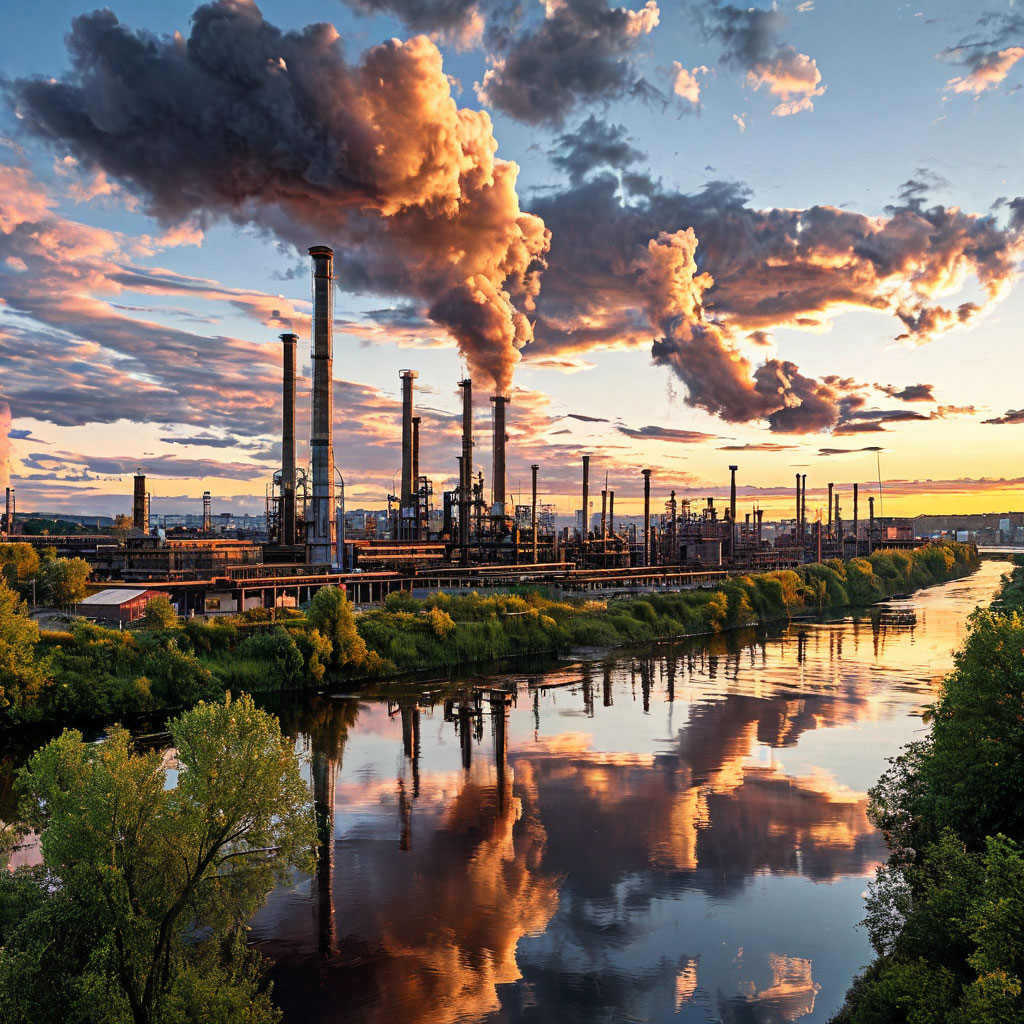
Perm’s Yegoshikha Copper Plant: Birth of a River Metropolis
Imagine standing on the banks of the Kama River, gazing across the water at a bustling city that stretches along its shores. This is Perm, a vibrant metropolis in Russia’s Ural region. But have you ever wondered how this city came to be? Let’s journey back to the early 18th century, to a time when Perm was just a humble settlement, and discover the pivotal role played by the Yegoshikha Copper Plant in shaping its destiny.
The Dawn of Perm: A Humble Beginning
Our story begins in 1723, in a small village named Yegoshikha, nestled along the Yegoshikha River, a tributary of the Kama. Back then, this area was sparsely populated, with only a handful of households. The land was rich in natural resources, particularly copper ore, but it was largely untapped. Enter Vasily Tatishchev, a visionary appointed by Tsar Peter the Great to harness the Ural region’s mineral wealth.
Tatishchev recognized the potential of Yegoshikha’s copper deposits and saw an opportunity to establish a smelting plant that could serve as a catalyst for industrial growth. On May 4, 1723, construction began on the Yegoshikha Copper Plant. This date is now celebrated as the founding day of Perm, marking the birth of a city that would rise from the banks of the Yegoshikha River.
The Rise of an Industrial Powerhouse
The establishment of the Yegoshikha Copper Plant was more than just the creation of a factory; it was the spark that ignited Perm’s transformation into an industrial powerhouse. The plant attracted workers, merchants, and artisans, all drawn by the promise of employment and prosperity. The once quiet village began to buzz with activity, its streets filled with the sounds of industry and commerce.
As the plant expanded, so did the settlement around it. By 1781, the growth was so significant that Empress Catherine the Great issued a decree elevating the settlement to the status of a city, naming it Perm. This marked a new chapter in the city’s history, one that would see it evolve into a major industrial and cultural center in Russia.
The Heartbeat of Perm: The Yegoshikha River
Throughout this transformation, the Yegoshikha River remained the lifeblood of the city. Its waters powered the plant’s operations, with water wheels harnessing the river’s flow to drive machinery. The river also served as a vital transportation route, facilitating the movement of goods and people. The Yegoshikha River was not just a geographical feature; it was the very essence of Perm’s identity, shaping its economy, culture, and way of life.
Legacy and Modern Times
Fast forward to today, and Perm stands as a testament to the vision and determination of its early founders. The Yegoshikha Copper Plant, though modernized and expanded, continues to be a cornerstone of the city’s economy. The Yegoshikha River, once the site of the original smelting plant, still flows through the city, a silent witness to its evolution.
Perm’s journey from a modest settlement to a thriving metropolis is a story of resilience, innovation, and the indomitable human spirit. It’s a tale of how a single plant, established along a humble river, can set in motion a series of events that shape the destiny of a city and its people.
So, the next time you find yourself in Perm, take a moment to reflect on the Yegoshikha Copper Plant and the Yegoshikha River. They are not just historical landmarks; they are the very foundations upon which this vibrant city was built, and they continue to pulse at the heart of Perm’s ongoing story.
