
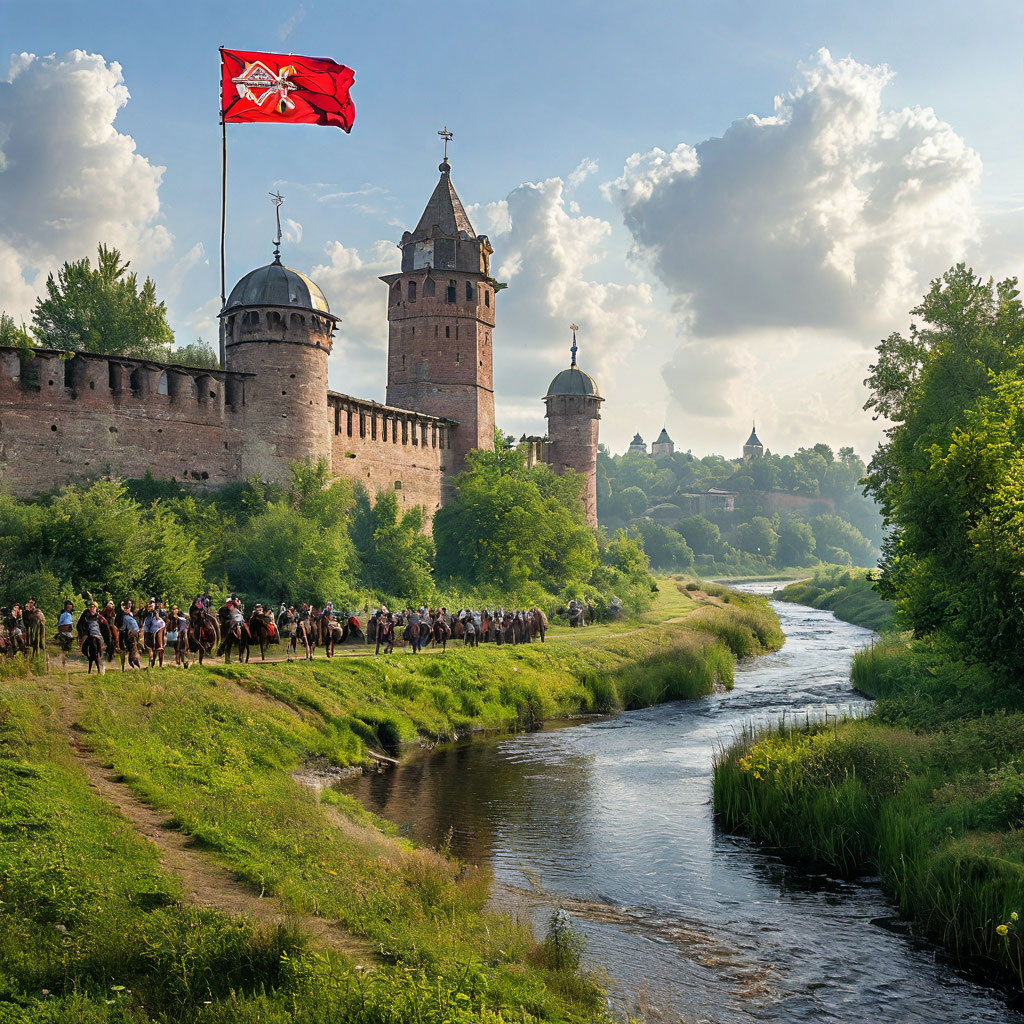
The Genesis of Chelyabinsk Fortress: A Tale of the Karaulnaya River Settlement
Imagine a time when the vast expanse of the Southern Urals was a frontier, a land where the unknown beckoned and the promise of new beginnings lay just beyond the horizon. In the early 18th century, this rugged terrain was home to nomadic Bashkir tribes, whose lives were intertwined with the rhythms of the land. Yet, the winds of change were stirring, and the Russian Empire had set its sights on these distant steppes.
The Dawn of a Fortress
In 1736, Colonel Alexey Tevkelev, a man of vision and determination, embarked on a mission that would alter the course of history. Stationed in the Bashkir village of Chelyaby, he recognized the strategic importance of the area. With the blessing of the Orenburg Expedition, Tevkelev established a fortress named Chelyaba, laying the cornerstone for what would become the city of Chelyabinsk. This fortress was not merely a military outpost; it was a beacon of Russian expansion, designed to safeguard the vital trade routes connecting the European heartland to the burgeoning territories of Siberia.
The Karaulnaya River Settlement
Adjacent to the fortress, a settlement began to take root along the banks of the Karaulnaya River. This nascent community was more than just a cluster of dwellings; it was the lifeblood of the fortress, providing sustenance, supplies, and support to the soldiers and settlers. The river, with its gentle flow and fertile banks, became the artery through which life pulsed, nourishing the dreams and aspirations of those who dared to call this frontier home.
Life on the Frontier
Life in the Karaulnaya River Settlement was a tapestry of challenges and triumphs. The settlers, a hardy mix of soldiers, merchants, and craftsmen, faced the harsh realities of frontier life. Winters were long and unforgiving, with snowdrifts that seemed to stretch endlessly. Yet, the community’s spirit remained unbroken. They built homes from timber, their walls echoing with the sounds of families and the clatter of daily life. Markets sprang to life, offering goods from distant lands, and the clang of blacksmiths’ hammers became the heartbeat of the settlement.
From Settlement to City
As the years unfolded, the settlement along the Karaulnaya River blossomed. The fortress, once a solitary sentinel, now stood at the heart of a thriving community. In 1787, the Russian Empress Catherine the Great recognized the growth and significance of this burgeoning town, granting it official city status. Chelyabinsk was born, its roots deeply entwined with the Karaulnaya River Settlement and the fortress that had protected it.
The Legacy of the Karaulnaya River Settlement
The story of the Karaulnaya River Settlement is not just a chapter in the annals of Chelyabinsk’s history; it is the prologue to a saga of resilience, growth, and transformation. From its humble beginnings as a frontier outpost, Chelyabinsk evolved into a vibrant industrial hub, earning the moniker “Tankograd” during World War II for its pivotal role in tank production. The echoes of the Karaulnaya River Settlement’s past resonate in the city’s architecture, culture, and spirit, a testament to the enduring legacy of those who dared to dream on the banks of a frontier river.
Conclusion
The genesis of Chelyabinsk Fortress and the Karaulnaya River Settlement is a tale of vision, courage, and the indomitable human spirit. It is a story that reminds us of the power of beginnings, the strength found in community, and the profound impact of a single river that nourished a city into existence. As you walk the streets of modern-day Chelyabinsk, take a moment to reflect on the journey from the banks of the Karaulnaya River to the vibrant metropolis that stands today—a journey that began with a fortress, a settlement, and the dreams of those who believed in the promise of the Urals.
