
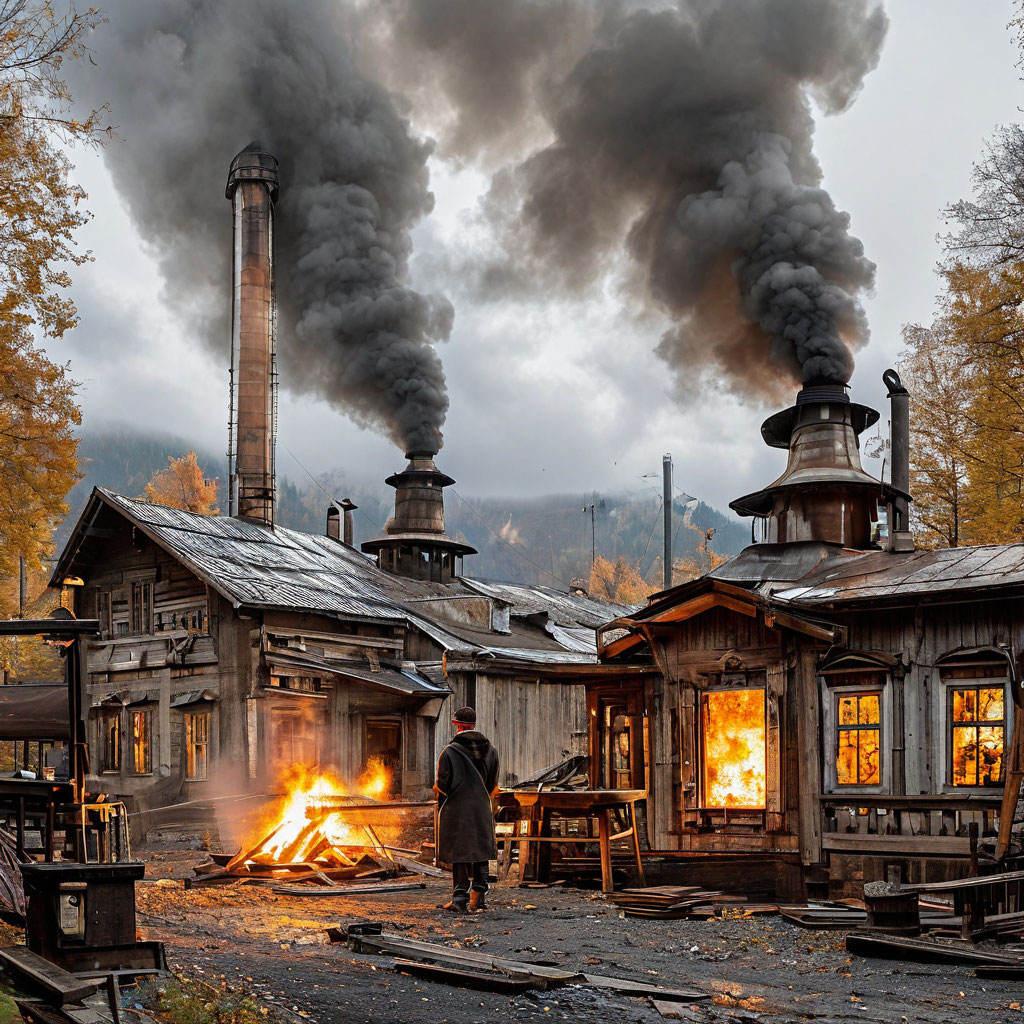
Zlatoust Arms Factory (1815): From Damascus Steel to Sabres
Imagine a time when the art of sword-making was as much about beauty as it was about battle. Nestled in the heart of Russia’s Ural Mountains, the Zlatoust Arms Factory has been at the forefront of this tradition since its inception in 1815. Let’s embark on a journey through its storied past, where craftsmanship, innovation, and artistry converge.
The Birth of a Legacy
In the aftermath of the Napoleonic Wars, Russia sought to bolster its military prowess. Tsar Alexander I envisioned a state-of-the-art arms factory that would rival the finest in Europe. Drawing inspiration from renowned centers like Solingen and Klingenthal in Germany, he established the Zlatoust Arms Factory in 1815. This ambitious project aimed to produce high-quality bladed weapons for the Russian army and navy.
The factory’s location was strategic. Situated along the Ay River, it had access to abundant natural resources and a network of navigable rivers, facilitating the swift transport of materials and finished products. The surrounding forests provided ample timber for forging, while the river ensured efficient distribution across the vast Russian expanse.
Mastering the Art of Damascus Steel
One of the factory’s most significant achievements was the revival and enhancement of Damascus steel, known in Russia as “bulat.” This ancient technique, characterized by its distinctive wavy patterns and exceptional strength, had been a closely guarded secret. Under the guidance of metallurgist Pavel Anosov, the factory’s artisans rediscovered and perfected this art. By the mid-19th century, Zlatoust’s Damascus steel blades were not only on par with their foreign counterparts but often surpassed them in quality.
Anosov’s innovations led to the creation of various types of cast steel, including the renowned Obukhov steel. This advancement allowed the factory to produce weapons that were both durable and aesthetically pleasing, setting a new standard in the arms industry.
From Functional to Ornamental: The Golden Age of Engraving
While the factory’s primary focus was on functional weaponry, it also delved into the realm of decorative arts. Craftsmen like Ivan Bushuyev and Ivan Boyarshinov elevated the art of engraving on steel. Drawing inspiration from Russian history and mythology, they adorned blades with intricate designs, transforming them into masterpieces.
Bushuyev, in particular, was known for his unique technique of gilding through fire. This method involved applying a gold leaf to the blade and then heating it until the gold fused with the steel, creating a durable and radiant finish. The results were not just weapons but works of art that told stories and honored traditions.
Weapons of War and Symbols of Prestige
The factory’s output was diverse. During the Crimean War and later conflicts, it supplied the Russian military with a vast array of sabres, swords, and other edged weapons. These blades were not only tools of war but also symbols of honor and prestige. Officers often commissioned personalized weapons, adorned with unique engravings and decorations, reflecting their status and achievements.
One notable example is the ceremonial sabre crafted for Prince Grigory Volkonsky, a distinguished general who served under Alexander Suvorov. This blade, with its intricate designs and superior craftsmanship, epitomized the zenith of Zlatoust’s artistry.
Enduring Legacy and Modern Times
The 20th century saw the factory adapt to new challenges. During World War I, it produced over half a million swords and cavalry lances. In World War II, the demand escalated, leading to the production of over a million combat knives. These blades became iconic, with the “black knives” of the Ural Volunteer Tank Corps being particularly renowned.
Today, the Zlatoust Arms Factory continues to honor its rich heritage. It remains Russia’s largest manufacturer of knives and edged weapons, producing over 100 different types, including revived historical patterns like the 1881 Cossack sabre. The factory’s commitment to quality and artistry ensures that each piece is a testament to centuries of tradition and innovation.
Visiting Zlatoust: A Journey Through Time
For those intrigued by this rich history, a visit to Zlatoust offers a glimpse into the world of traditional weapon-making. The city’s museums showcase a vast collection of historical weapons, including ornate sabres and daggers. Guided tours provide insights into the intricate processes of blade forging and engraving, allowing visitors to appreciate the skill and dedication of the artisans.
In the heart of the Ural Mountains, Zlatoust stands as a testament to the fusion of functionality and artistry. Its blades, forged from the fires of history, continue to captivate and inspire, embodying a legacy that transcends time.
