
Orenburg: From Fortress to Silk Road Gateway
Imagine a city that has reinvented itself not once, but three times, each time emerging stronger and more significant. Welcome to Orenburg, a city that stands as a testament to resilience, strategic foresight, and cultural fusion. Founded in 1743, Orenburg’s journey from a military outpost to a bustling trade hub along the Silk Road is a tale worth exploring.
The Birth of a Fortress
In the early 18th century, the Russian Empire recognized the need to secure its southeastern borders and enhance trade routes with Central Asia. Enter Ivan Kirilov, a visionary cartographer and statistician, who proposed the establishment of a fortress at the confluence of the Or and Ural rivers. This strategic location would serve as a bulwark against potential invasions and a springboard for trade. Empress Anna Ioannovna approved the plan, and in 1735, the first Orenburg fortress was founded. However, the initial site proved unsuitable, leading to relocations until 1743, when the fortress was finally established at its current location, marking the true birth of Orenburg. ([orenlib.ru](https://orenlib.ru/kray/article/obcshaja-harakteristika-oblasti/EN/istorija-orenburzhja.html?utm_source=openai))
A Hub of Trade and Culture
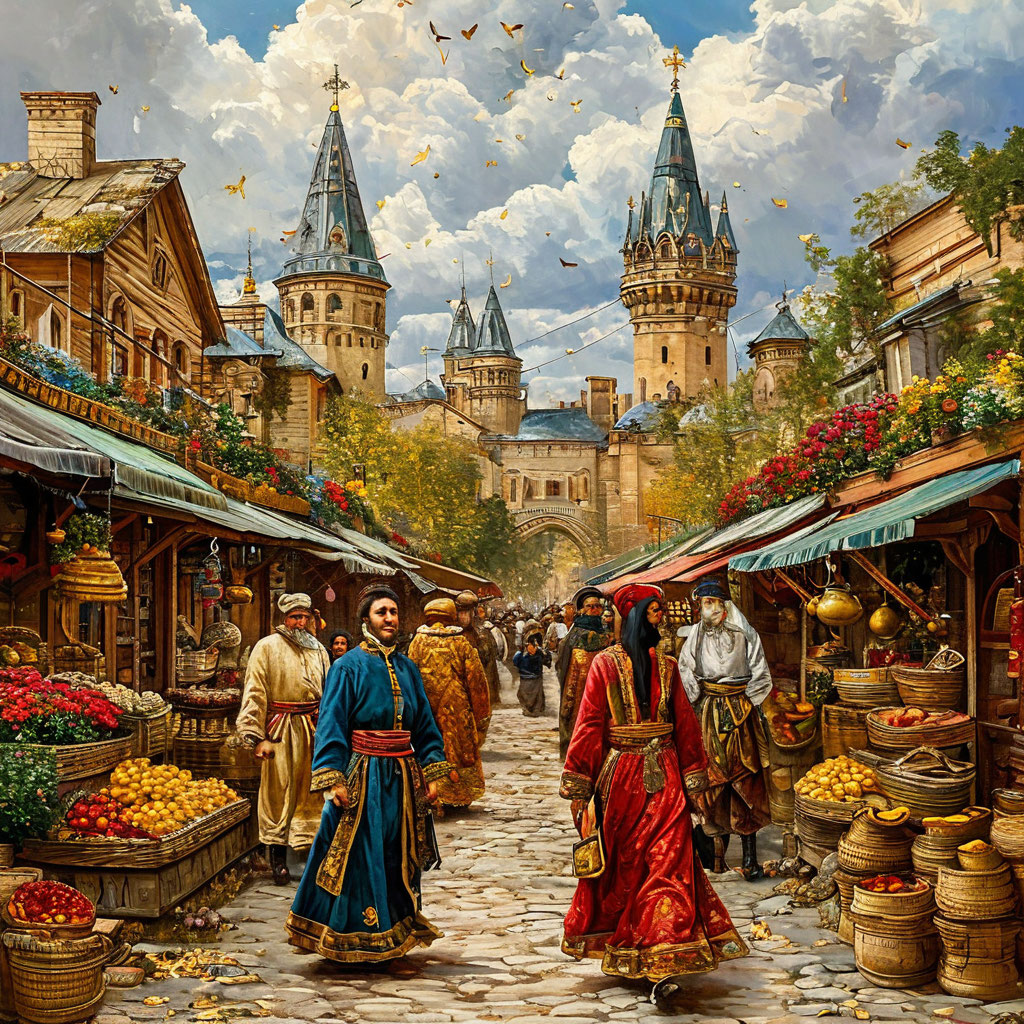
Orenburg’s strategic position soon transformed it into a vibrant center of commerce. Traders from Samarkand, Khiva, and Bukhara traversed the steppes, bringing with them exotic goods like silk, spices, and precious metals. In exchange, Orenburg offered Russian manufactured products and salt. The city’s annual customs charges reached up to 85,000 rubles, a testament to its thriving trade. The Gostiny Dvor, a grand shopping arcade, boasted over 300 stores, reflecting the city’s economic prosperity. ([orenlib.ru](https://orenlib.ru/kray/article/obcshaja-harakteristika-oblasti/EN/istorija-orenburzhja.html?utm_source=openai))
The Orenburg Cossacks: Guardians and Traders
Integral to Orenburg’s development were the Orenburg Cossacks, a group of Cossacks established by Empress Elizabeth I Petrovna. They not only defended the city’s borders but also played a pivotal role in its trade activities. Their presence ensured the safety of trade caravans and facilitated peaceful interactions with neighboring nomadic tribes. ([orenlib.ru](https://orenlib.ru/kray/article/obcshaja-harakteristika-oblasti/EN/istorija-orenburzhja.html?utm_source=openai))
Architectural Marvels: The Caravanserai
Reflecting Orenburg’s rich cultural tapestry is the Orenburg Caravanserai, built between 1837 and 1846. Designed by architect Alexander Brullov, this complex served as a hub for the Bashkir community, featuring a mosque, workshops, and educational facilities. Its unique architecture, reminiscent of a traditional Bashkir village, stands as a symbol of the city’s cultural diversity and historical significance. ([en.wikipedia.org](https://en.wikipedia.org/wiki/Orenburg_Caravanserai?utm_source=openai))
Orenburg’s Legacy in the Silk Road
Orenburg’s role as a Silk Road gateway was not just about trade; it was a melting pot of cultures, ideas, and innovations. The city’s position facilitated the exchange of goods and knowledge between the East and the West. Its markets buzzed with merchants speaking various languages, and its streets echoed with tales from distant lands. This cultural exchange enriched Orenburg, leaving an indelible mark on its identity.
From Fortress to Modern City
Over the centuries, Orenburg has evolved from a military fortress to a modern city. Its strategic importance has waned, but its cultural and historical significance remains. Today, Orenburg stands as a testament to the enduring spirit of its people and the rich tapestry of its past. Its journey from a border outpost to a thriving metropolis is a story of resilience, adaptation, and cultural fusion.
So, the next time you find yourself in Orenburg, take a moment to reflect on its storied past. Walk through its streets, visit its historical sites, and imagine the bustling trade routes that once passed through this city. Orenburg is not just a place; it’s a living history, waiting to be explored.
