
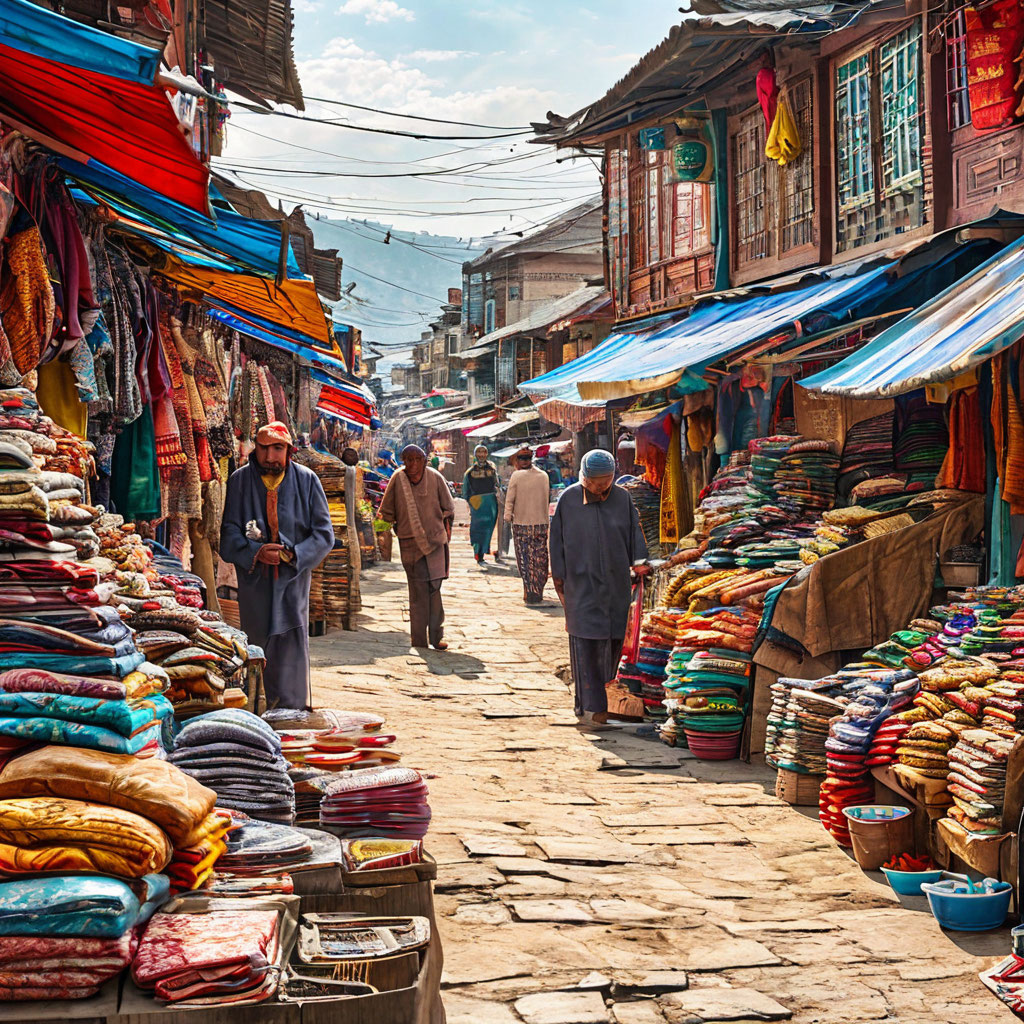
The Irbit Fair: A Gateway to Siberian Furs and Tea
Imagine a bustling marketplace nestled at the crossroads of Europe and Asia, where traders from distant lands converge to exchange treasures of the East and West. This was the essence of the Irbit Fair, a vibrant event that began in 1643 and became a cornerstone of trade and culture in the Ural region of Russia.
The Birth of Irbit Fair
In the early 17th century, the town of Irbit was a modest settlement with just 31 farming families. Its strategic location at the confluence of the Nitsa and Irbit rivers positioned it as a pivotal point along the Siberian tract—a major trade route connecting European Russia to Siberia. Recognizing its potential, the Russian Tsar granted Irbit the privilege to host an annual fair, officially commencing in 1643. This event quickly transformed the town into a bustling hub of commerce and culture.
A Melting Pot of Goods and Cultures
The Irbit Fair was renowned for its diverse array of goods. Traders from Siberia brought prized furs—sable, ermine, and fox—that were highly sought after in Europe. Alongside these, Chinese merchants introduced fine silks and the much-coveted tea, which had become a staple in Russian society. The fair also showcased exotic items like Central Asian sheepskin products, adding to its allure. Moscow merchants contributed with jewelry and metalwork, creating a rich tapestry of goods that attracted buyers from across the empire.
The Great Tea Road
One of the most fascinating aspects of the Irbit Fair was its role in the “Great Tea Road.” This was a network of trade routes that facilitated the exchange of tea from China to Russia. Irbit, situated along this route, became a central point for the distribution and pricing of tea, effectively granting it a monopoly over this valuable commodity. The fair’s influence in the tea trade was so significant that it shaped the economic landscape of the region for centuries.
Organizational Mastery
The success of the Irbit Fair was not just due to the goods exchanged but also the remarkable organizational skills of the traders. Each year, merchants elected commissioners from their respective groups to form a Fair Committee. This committee was responsible for resolving disputes, maintaining order, and ensuring the smooth operation of the fair. Over time, the event grew so large that it resembled a commodity exchange more than a traditional marketplace, with state organizations, banks, and transportation companies participating alongside independent traders.
Architectural Legacy
The fair’s impact on Irbit was profound, influencing its architecture and urban planning. The town’s layout featured long, narrow dormitories and expansive wharf areas at the junction of the Nitsa and Irbit rivers. These structures were designed to accommodate the influx of merchants and goods during the fair, reflecting the event’s significance in shaping the town’s identity.
Decline and Revival
Despite its prominence, the Irbit Fair faced challenges in the 20th century. The October Revolution and the subsequent Russian Civil War disrupted traditional trade routes, leading to a decline in the fair’s activities. The advent of the Trans-Siberian Railway further diminished its importance as a trade center. By 1929, the fair had ceased to exist, and Irbit’s role as an agricultural and trade hub diminished.
However, the spirit of the Irbit Fair was not lost. In 2003, the town revived the tradition, hosting a modern version of the fair in late August. While it no longer serves as a major trade center, the revived fair celebrates the rich cultural heritage of the Ural region, featuring traditional crafts, local cuisine, and performances that honor its storied past.
Irbit Fair in Literature
The significance of the Irbit Fair extended beyond commerce and architecture; it also found a place in Russian literature. The fair is mentioned in Boris Pasternak’s novel “Doctor Zhivago,” where it serves as a backdrop to the story, highlighting its cultural and economic importance during the early 20th century.
Conclusion
The Irbit Fair was more than just a marketplace; it was a symbol of the Ural region’s unique position as a bridge between Europe and Asia. Its legacy continues to inspire, reminding us of the rich tapestry of cultures and histories that have shaped the world we know today.
