
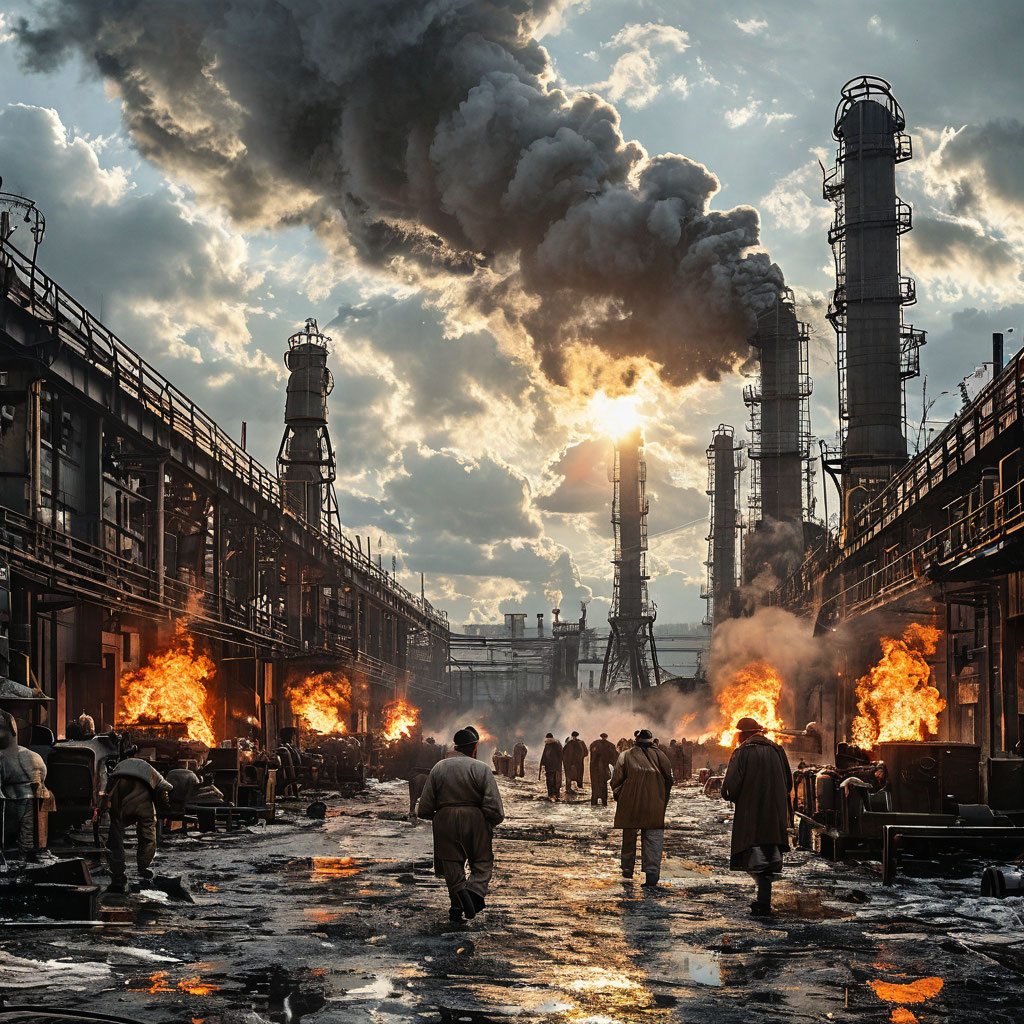
The Rise of Ural Metallurgy in the 19th Century
Imagine a vast, rugged expanse stretching from the Ural Mountains to the Siberian plains—a land rich in minerals and steeped in history. This is the Ural region of Russia, a place where the 19th century witnessed a remarkable transformation, turning it into a global powerhouse of metallurgy. Let’s embark on a journey through time to uncover how the Urals became synonymous with iron, steel, and industrial innovation.
The Dawn of Industrialization
In the early 1800s, the Urals were a tapestry of dense forests, winding rivers, and untapped mineral wealth. The Russian Empire, under the visionary leadership of Tsar Peter the Great, recognized the strategic importance of this region. He appointed Vasily Tatishchev to spearhead the development of Ural factories, laying the foundation for what would become a metallurgical revolution. Alongside Tatishchev, the city of Perm emerged as a pivotal industrial hub, its factories humming with activity and its streets bustling with workers. By the 1860s, Perm’s population had surged to over 20,000, reflecting its burgeoning status as a center of trade and industry. ([en.wikipedia.org](https://en.wikipedia.org/wiki/Perm%2C_Russia?utm_source=openai))
The Metallurgical Boom
As the 19th century unfolded, the Urals experienced an industrial renaissance. The region’s abundant iron ore deposits and vast forests provided the perfect ingredients for a thriving metallurgical industry. By 1767, approximately 140 metallurgical plants dotted the Ural landscape, making it a leader in world iron production and securing a monopoly position in Russia’s copper smelting. This surge in production was not just about numbers; it was about quality and innovation. The blast furnaces of the Yekaterinburg plant, for instance, were more efficient and productive than their English and Swedish counterparts, setting new standards in the industry. ([en.wikipedia.org](https://en.wikipedia.org/wiki/History_of_metallurgy_in_the_Urals?utm_source=openai))
Technological Innovations
The Urals were not content with merely keeping up; they aimed to lead. The early 19th century saw the introduction of steam engines, revolutionizing production processes. By the 1830s, these engines had become more reliable, powering factories and reducing dependence on traditional water wheels. The Cherepanov family, pioneers in steam technology, built the first steam locomotive in 1834, a testament to the region’s innovative spirit. ([en.wikipedia.org](https://en.wikipedia.org/wiki/History_of_metallurgy_in_the_Urals?utm_source=openai))
But the Urals didn’t stop there. They embraced advanced methods of iron production, such as the puddling process, which improved the quality of iron and steel. By 1861, 201 puddling furnaces were operational across 58 factories, showcasing the region’s commitment to technological advancement. ([en.wikipedia.org](https://en.wikipedia.org/wiki/History_of_metallurgy_in_the_Urals?utm_source=openai))
The Human Element
Behind every furnace and forge was a dedicated workforce. The Ural factories were a melting pot of cultures and backgrounds, with workers from various parts of Russia and beyond. The introduction of serf labor in the early 19th century provided a steady supply of workers, though it also led to social tensions and unrest. Over time, the transition to free labor contributed to the industry’s growth and modernization. ([en.wikipedia.org](https://en.wikipedia.org/wiki/History_of_metallurgy_in_the_Urals?utm_source=openai))
Challenges and Resilience
Despite its successes, the Ural metallurgical industry faced significant challenges. The mid-19th century brought economic crises, with falling metal prices and competition from foreign markets. In response, the government established the State Loan Bank in 1824 to support miners and factory owners, providing financial assistance to stabilize the industry. ([en.wikipedia.org](https://en.wikipedia.org/wiki/History_of_metallurgy_in_the_Urals?utm_source=openai))
Legacy and Impact
The 19th century was a defining era for Ural metallurgy. The region’s innovations and industrial prowess laid the groundwork for Russia’s emergence as a global industrial power. The legacy of this period is evident in the modern cities of the Urals, where the echoes of the past continue to influence the present. The Ural mining civilization, as it came to be known, not only transformed the region but also played a pivotal role in shaping the course of Russian history. ([en.wikipedia.org](https://en.wikipedia.org/wiki/Ural_mining_civilization?utm_source=openai))
As we reflect on this journey, it’s clear that the rise of Ural metallurgy in the 19th century was more than just an industrial achievement. It was a testament to human ingenuity, resilience, and the relentless pursuit of progress. The Urals, with their rich history and enduring spirit, continue to inspire and captivate, reminding us of the transformative power of industry and innovation.
