The Seversky Pipe Plant: Origins of the Iron River of Polevaya
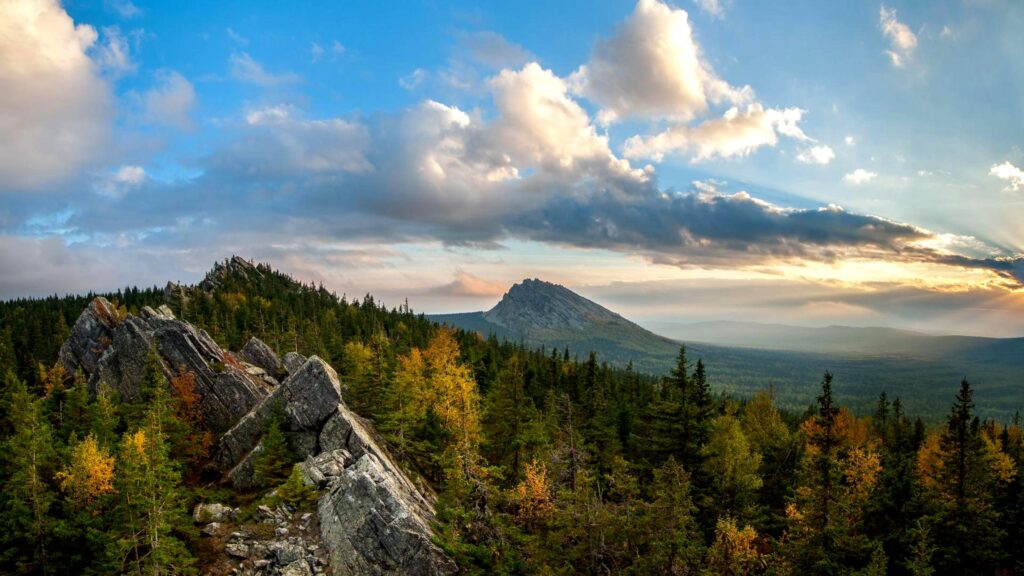
Imagine a time when the Ural Mountains were a treasure trove of untapped resources, waiting to be discovered. In the early 18th century, this rugged landscape was about to witness the birth of an industrial giant—the Seversky Pipe Plant. Let’s embark on a journey back to 1735, to the heart of the Ural region, where iron met innovation, and a village transformed into a thriving industrial hub.
The Discovery of Iron in the Ural Mountains
Picture the scene: the year is 1734, and Vasily Tatishchev, a visionary Russian statesman and historian, is exploring the vast expanse of the Ural Mountains. Amidst the dense forests and towering peaks, he stumbles upon rich deposits of iron ore near the village of Polevskoy, situated along the Severushka River. Recognizing the immense potential, Tatishchev envisions a plant that could harness this wealth and fuel Russia’s industrial ambitions.
The Birth of the Seversky Pipe Plant
On April 1, 1735, construction begins. The Seversky Pipe Plant, named after the Severushka River, rises from the ground, marking a significant milestone in Russia’s metallurgical history. This plant isn’t just a factory; it’s the heartbeat of a burgeoning industrial era. As the plant takes shape, a village grows around it, eventually becoming the northern part of what we now know as Polevskoy. The community thrives, united by the promise of progress and prosperity.
The Symbolism of the Eight-Pointed Star
Every piece of iron produced at the Seversky Pipe Plant bears a distinctive mark—the eight-pointed star. This symbol isn’t just a brand; it’s a testament to the plant’s legacy and its integral role in the region’s identity. Over time, this emblem becomes synonymous with quality and craftsmanship, echoing the plant’s enduring influence.
The Role of Alexei Turchaninov
In 1757, a new chapter unfolds. Alexei Turchaninov, a prominent Ural merchant, acquires the Seversky Pipe Plant along with the Polevskoy Copper Smelting Plant. Under his stewardship, the plant flourishes, contributing significantly to the Sysert Mining District’s prosperity. Turchaninov’s vision and leadership lay the foundation for the plant’s continued success, ensuring its place in Russia’s industrial narrative.
The Evolution of the Polevskoy Copper Smelting Plant
Parallel to the Seversky Pipe Plant’s rise is the story of the Polevskoy Copper Smelting Plant. Established in 1724 by a decree from Peter the Great, this plant processes the local copper deposits, becoming a cornerstone of the region’s metallurgical industry. The copper produced here is branded with the symbol of the Roman goddess Venus, a nod to the metal’s allure and significance. This emblem, too, finds its way into the town’s coat of arms, symbolizing the deep-rooted connection between the community and its industrial heritage.
The Transformation of the Polevskoy Plant
As the 19th century progresses, the Gumyoshevsky mine, known as “The Copper Mountain” by locals, becomes the primary ore supplier for the Polevskoy Copper Smelting Plant. However, by 1870, the mine is exhausted, prompting a significant shift. The plant undergoes a transformation, retooling itself to process iron instead of copper. This strategic pivot ensures its survival and continued relevance in the face of changing economic landscapes.
The Legacy of the Seversky Pipe Plant
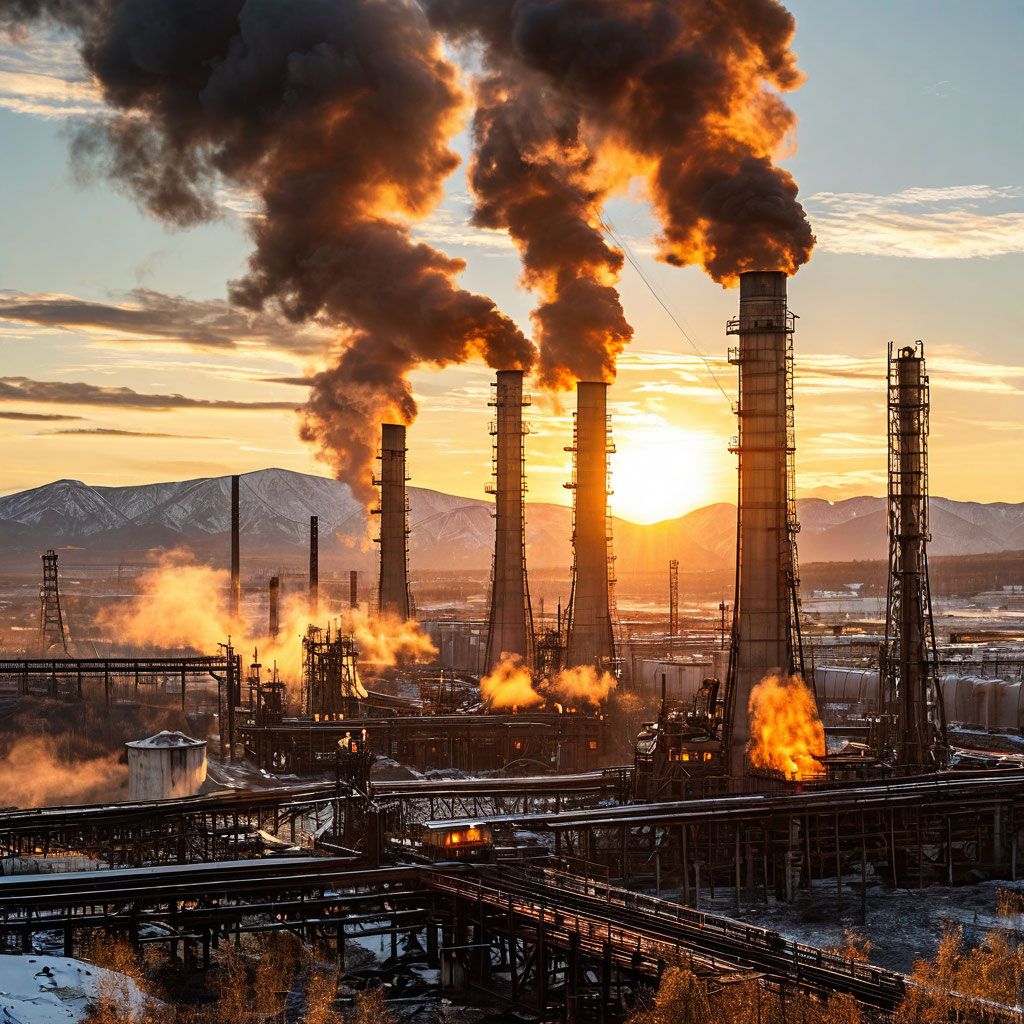
Fast forward to the 20th century, and the Seversky Pipe Plant stands as a testament to resilience and innovation. In 1976, it inaugurates a new pipe rolling shop, expanding its production capabilities and solidifying its position in the industry. The plant’s journey from a modest ironworks to a modern manufacturing powerhouse mirrors the broader industrial evolution of the Ural region.
Conclusion: A Journey Through Time
The story of the Seversky Pipe Plant is more than just a tale of metal and machinery; it’s a narrative of visionaries, transformation, and community. From the discovery of iron ore to the establishment of a thriving industrial center, this journey encapsulates the spirit of the Ural Mountains—a land where history and innovation intertwine, forging a legacy that continues to inspire.
