
The Transformation of Ural’s Labor System Post-Emancipation
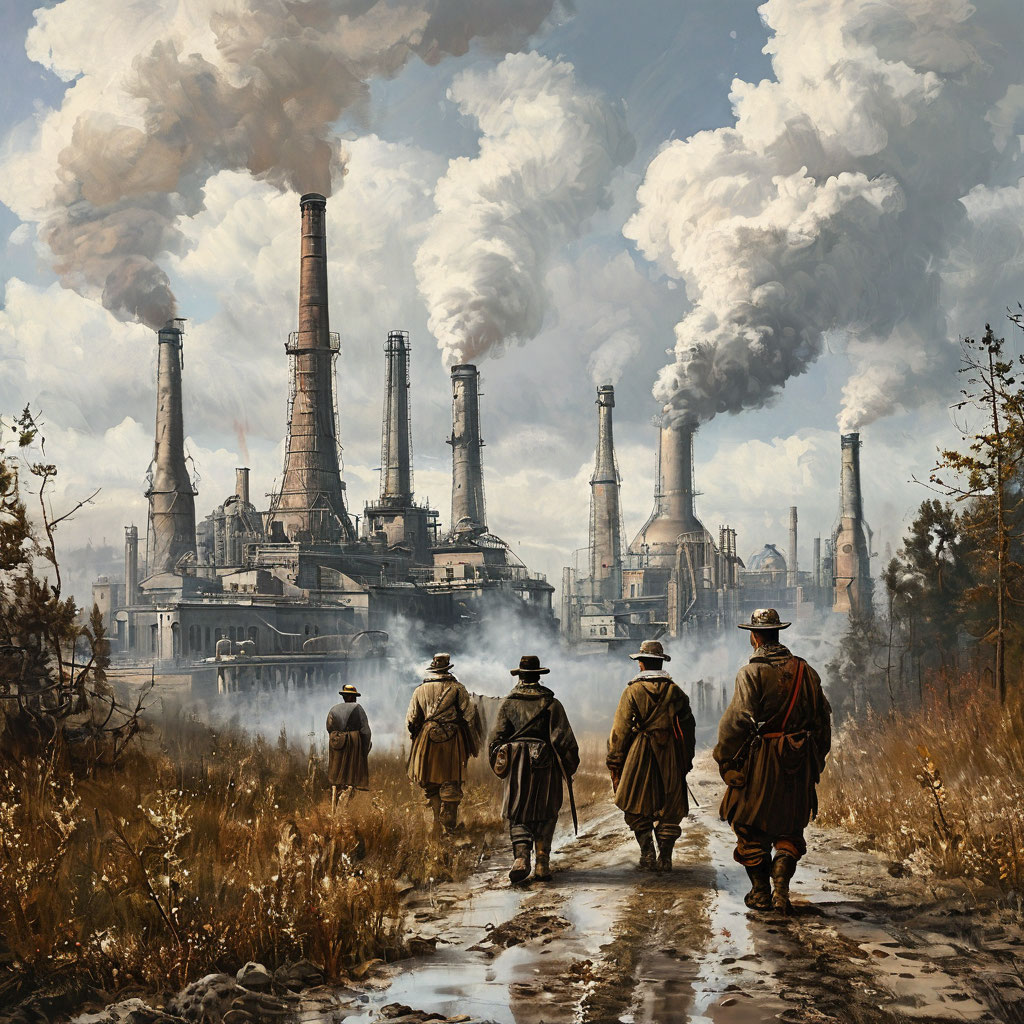
Imagine a vast expanse of dense forests and rugged mountains, stretching across the heart of Russia. This is the Ural region, a land rich in natural resources and steeped in a history of industrial innovation. In the 19th century, the Urals were at the forefront of Russia’s industrial revolution, particularly in metallurgy. However, the emancipation of the serfs in 1861 marked a pivotal moment, reshaping the labor system and setting the stage for profound economic and social changes.
The Emancipation of the Serfs: A New Dawn
In 1861, Tsar Alexander II issued the Emancipation Manifesto, liberating over 23 million serfs across the Russian Empire. This monumental decree granted peasants the rights to marry without consent, own property, and engage in business activities. While these freedoms were groundbreaking, the reality of emancipation was far from ideal. The land allocated to the peasants was often insufficient, leading to overcrowding and diminished agricultural productivity. To compensate landowners for their losses, the government imposed redemption payments on the peasants, burdening them with debts that spanned decades. This financial strain left many peasants in a state of perpetual poverty, struggling to make ends meet. ([en.wikipedia.org](https://en.wikipedia.org/wiki/Emancipation_reform_of_1861?utm_source=openai))
The Ural’s Industrial Landscape: A Hub of Metallurgy
Before emancipation, the Urals were a powerhouse of metallurgy, producing a significant portion of Russia’s iron and copper. By the end of the 18th century, the region’s factories were responsible for 80.1% of cast iron and 100% of copper production in Russia. This industrial dominance was achieved through the labor of serfs, who were integral to the operations of these factories. The Ural mining civilization, as it was known, was characterized by rapid growth and a distinctive culture, with industrial cities designed for specific purposes and architectural styles. ([en.wikipedia.org](https://en.wikipedia.org/wiki/History_of_metallurgy_in_the_Urals?utm_source=openai), [en.wikipedia.org](https://en.wikipedia.org/wiki/Ural_mining_civilization?utm_source=openai))
The Shift to Free Labor: Challenges and Adaptations
The transition from serfdom to free labor was fraught with challenges. The sudden influx of free peasants into the labor market led to a surplus of workers, causing wages to plummet. Factory owners, accustomed to the steady supply of serf labor, now faced the complexities of managing a free workforce. The lack of a reliable labor force prompted many to seek alternative solutions, such as the establishment of artels—cooperative associations of workers. These artels allowed workers to pool resources and share profits, offering a semblance of stability in an otherwise volatile labor market. ([en.wikipedia.org](https://en.wikipedia.org/wiki/Artel?utm_source=openai))
The Rise of the Kulaks: A New Class Emerges
Amidst the upheaval, a new class of prosperous peasants, known as kulaks, began to emerge. These individuals managed to acquire land and resources, adopting more efficient farming techniques and contributing to the growth of a capitalist economy. However, the rise of the kulaks was not without tension. The traditional peasant communes, or obshchinas, which had governed land distribution and communal responsibilities, found their authority challenged. The obshchinas, deeply rooted in Russian rural life, struggled to adapt to the new economic realities, leading to conflicts and a reevaluation of communal practices. ([en.wikipedia.org](https://en.wikipedia.org/wiki/Obshchina?utm_source=openai))
Industrialization and Its Impact on Labor
The post-emancipation period also witnessed rapid industrialization in the Urals. The demand for labor in factories and mines surged, attracting former serfs seeking employment. This shift marked a significant departure from traditional agricultural work to industrial labor. The working conditions in these factories were often harsh, with long hours and minimal safety measures. Despite the hardships, this industrial boom laid the foundation for the modern Russian economy, with the Urals playing a central role in this transformation. ([en.wikipedia.org](https://en.wikipedia.org/wiki/History_of_metallurgy_in_the_Urals?utm_source=openai))
Conclusion: A Region in Flux
The emancipation of the serfs was a catalyst for profound change in the Ural region. It dismantled the old feudal labor system, introduced new economic classes, and spurred industrial growth. Yet, the journey was fraught with challenges, as the region navigated the complexities of a rapidly changing social and economic landscape. The legacy of this transformation is still evident today, as the Urals continue to be a testament to resilience and adaptation in the face of change.
