
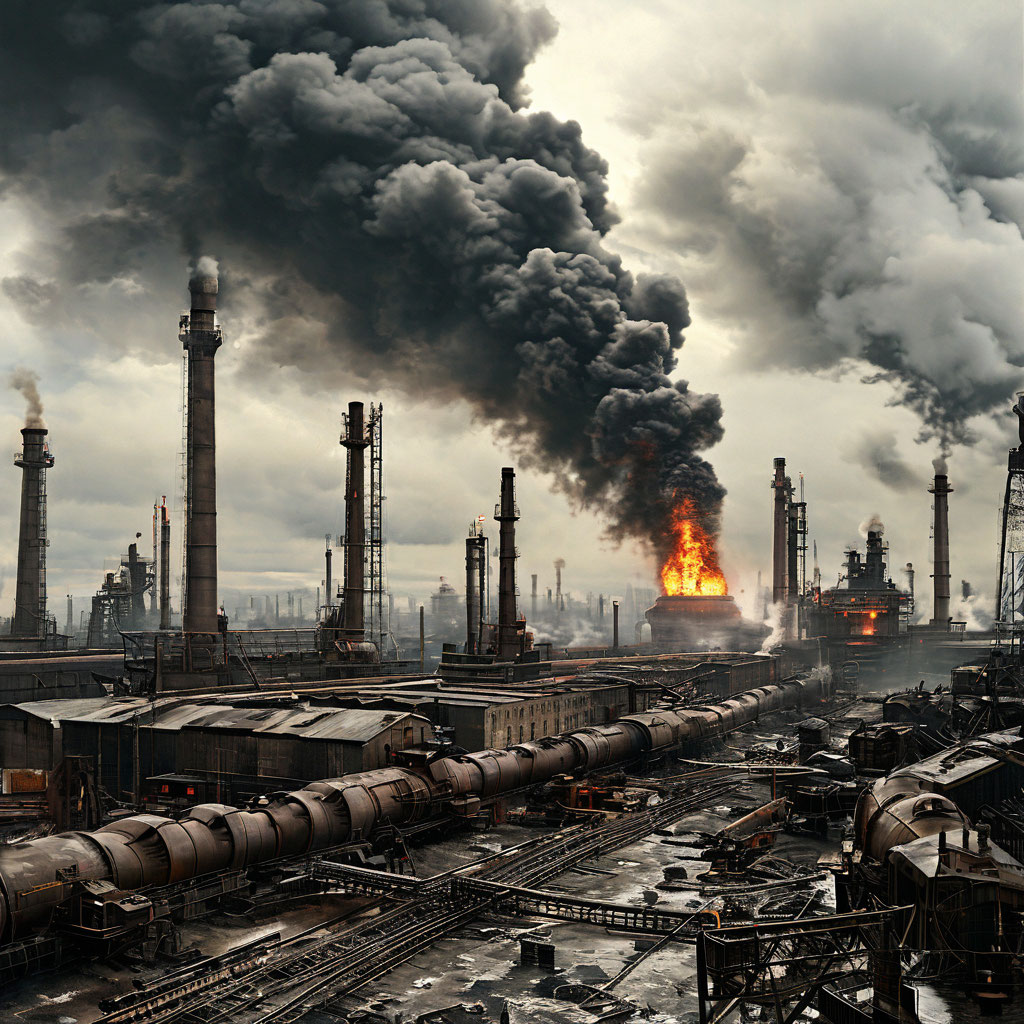
The Role of Ural Factories in the Russo-Turkish War
Imagine a time when the vast expanse of the Ural Mountains was not just a natural barrier but a bustling hub of industrial activity. The year is 1877, and the Russian Empire is on the brink of war with the Ottoman Empire. As tensions escalate, the Ural factories emerge as unsung heroes, playing a pivotal role in shaping the course of the Russo-Turkish War.
The Industrial Backbone of the Empire
In the 19th century, the Ural region was the industrial heartland of Russia. The Ural Mountains, rich in natural resources, became the cradle of the nation’s metallurgy and arms manufacturing. The region’s factories were renowned for producing high-quality iron, steel, and weapons, making them indispensable to the Russian military.
Metallurgical Prowess
The Ural factories were at the forefront of metallurgical innovation. By the mid-1800s, they had mastered various methods of iron and steel production, including the poodling process and the Lancashire method. These advancements significantly increased production efficiency and quality, ensuring a steady supply of materials for military needs.
Arms Manufacturing
Beyond metallurgy, the Ural factories were also adept at arms manufacturing. They produced a wide array of weaponry, from small arms to artillery pieces. This capability was crucial during the Russo-Turkish War, as the Russian military required a vast amount of arms and ammunition to sustain prolonged combat operations.
The Russo-Turkish War: A Test of Industrial Might
The Russo-Turkish War of 1877-1878 was a defining moment for the Russian Empire. The conflict aimed to liberate the Balkan states from Ottoman rule and assert Russian influence in the region. However, the success of this campaign was not solely dependent on military strategy and diplomacy; the industrial strength of the Ural factories played a critical role.
Supplying the Frontlines
As the war unfolded, the demand for weapons and ammunition surged. The Ural factories rose to the occasion, ramping up production to meet the military’s needs. Their ability to produce large quantities of high-quality arms ensured that Russian forces were well-equipped to face the Ottoman army.
Innovations in Warfare
The Ural factories were not just suppliers; they were innovators. They introduced new weaponry and improved existing designs, giving the Russian military a technological edge. For instance, the development of more efficient artillery pieces and the refinement of small arms contributed to the effectiveness of Russian forces on the battlefield.
The Human Element: Labor and Innovation
Behind the machines and factories were the workers—the backbone of the Ural industrial complex. These individuals, many of whom were serfs or former serfs, labored tirelessly to produce the materials and weapons needed for the war effort. Their dedication and skill were instrumental in the success of the Ural factories during the Russo-Turkish War.
Challenges Faced
The workers faced numerous challenges, including long hours, harsh working conditions, and the pressure to meet the increasing demands of the military. Despite these hardships, their resilience and commitment ensured that the factories continued to operate at full capacity, supplying the Russian military with the necessary resources.
Technological Advancements
The war also spurred technological advancements within the Ural factories. The need for rapid production led to the adoption of new manufacturing techniques and the improvement of existing processes. These innovations not only benefited the war effort but also laid the groundwork for future industrial developments in the region.
The Legacy of the Ural Factories
The contribution of the Ural factories to the Russo-Turkish War had lasting effects. Their ability to supply the military with essential materials and weapons was a testament to the region’s industrial capabilities. Moreover, the experiences and innovations of this period set the stage for the further industrialization of Russia in the subsequent decades.
Post-War Developments
After the war, the Ural factories continued to thrive. The skills and technologies developed during the conflict were applied to peacetime industries, leading to economic growth and modernization. The legacy of the workers and innovators of the Ural factories remains a proud chapter in Russia’s industrial history.
Conclusion
The Ural factories were more than just industrial centers; they were the lifeblood of the Russian military during the Russo-Turkish War. Their contributions, both in terms of raw materials and technological innovations, were crucial to the success of the Russian Empire in this pivotal conflict. The story of the Ural factories is a testament to the power of industry and human ingenuity in shaping the course of history.
For a deeper understanding of the industrial history of the Ural region, you can explore the detailed account provided in the article on the history of metallurgy in the Urals. ([ru.wikipedia.org](https://ru.wikipedia.org/wiki/%D0%98%D1%81%D1%82%D0%BE%D1%80%D0%B8%D1%8F_%D0%BC%D0%B5%D1%82%D0%B0%D0%BB%D0%BB%D1%83%D1%80%D0%B3%D0%B8%D0%B8_%D0%A3%D1%80%D0%B0%D0%BB%D0%B0?utm_source=openai))
