
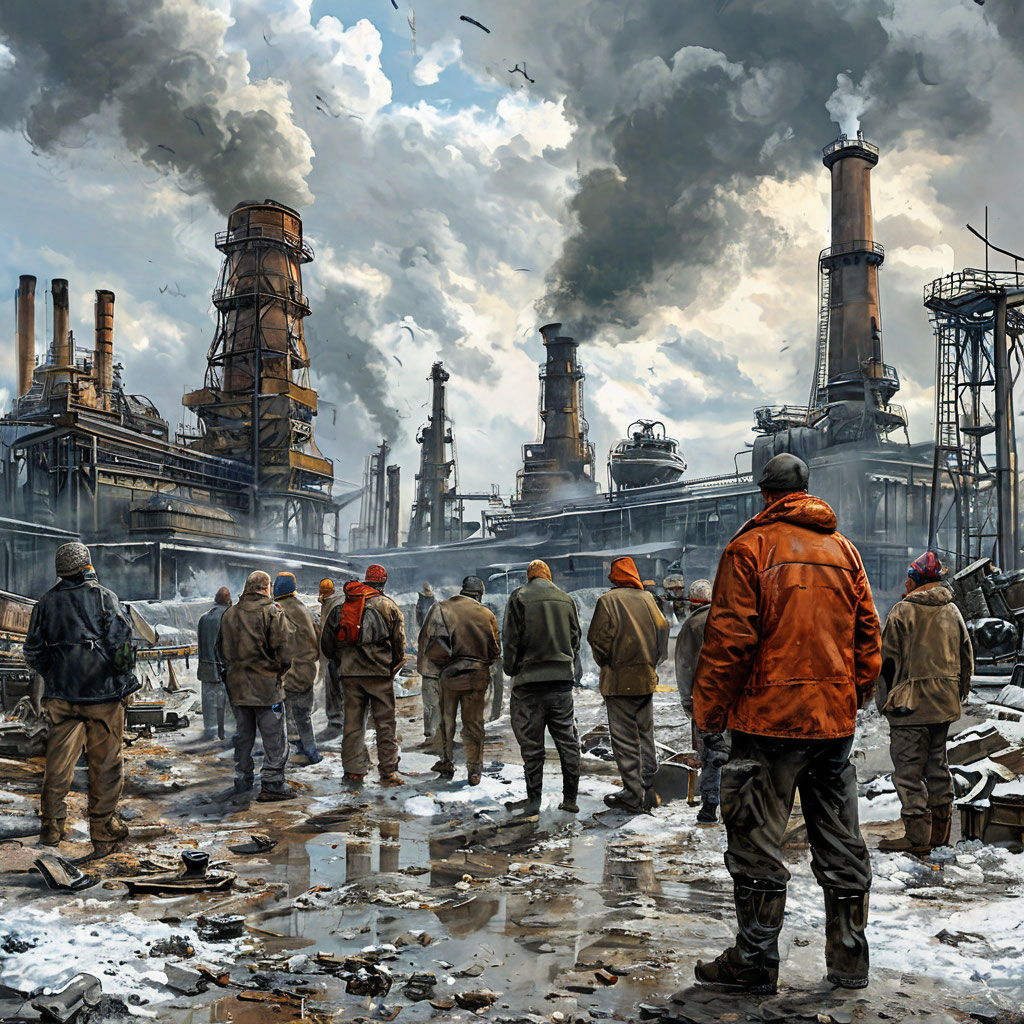
The Emergence of Trade Unions in Ural Industrial Centers
Imagine a time when the Ural Mountains, known for their vast mineral wealth, were the heartbeat of Russia’s industrial revolution. Picture the smoke rising from towering chimneys, the rhythmic clang of metal being forged, and the relentless hum of machinery. Amidst this industrial symphony, a new force was quietly taking shape—the rise of trade unions in the Ural industrial centers.
The Industrial Landscape of 19th Century Ural
In the 19th century, the Ural region was a bustling hub of industrial activity. The area was rich in resources, with numerous factories and plants dotting the landscape. Workers, many of whom were master craftsmen and laborers, toiled long hours under challenging conditions. The master craftsmen and their families often lived in factory towns, receiving benefits like access to company hospitals and schools for their children. However, their lives were far from easy, as they faced grueling work schedules and limited rights. ([ru.wikipedia.org](https://ru.wikipedia.org/wiki/%D0%9C%D0%B0%D1%81%D1%82%D0%B5%D1%80%D0%BE%D0%B2%D1%8B%D0%B5_%D0%B8_%D1%80%D0%B0%D0%B1%D0%BE%D1%82%D0%BD%D1%8B%D0%B5_%D0%BB%D1%8E%D0%B4%D0%B8?utm_source=openai))
The Catalyst: The 1905 Revolution
The early 20th century was a period of upheaval. The 1905 Revolution served as a catalyst for change, igniting a wave of social and political movements across Russia. Workers, inspired by the revolutionary fervor, began to demand better working conditions, fair wages, and the right to organize. This period saw the emergence of the first trade unions in the Ural industrial centers, marking a significant shift in the labor landscape. ([museum-fpso.ru](https://museum-fpso.ru/articles/profsoyuzy-v-zarskoj-rossii/?utm_source=openai))
The Formation of Trade Unions
In the aftermath of the 1905 Revolution, the Russian government, under pressure, issued the October Manifesto in 1905, granting citizens the right to form professional unions. This decree paved the way for the establishment of trade unions in the Ural region. By the end of 1905, several unions had been formed, including the Union of Metallurgists in Yekaterinburg and the Union of Metal Workers in Nizhny Tagil. These unions aimed to address the workers’ grievances and improve their living and working conditions. ([museum-fpso.ru](https://museum-fpso.ru/articles/profsoyuzy-v-zarskoj-rossii/?utm_source=openai))
The Role of the Union of Metallurgists
One of the most influential unions was the Union of Metallurgists. Established in Yekaterinburg, it quickly became a powerful force, uniting a significant portion of the metalworking workforce. The union’s primary objectives were to secure an eight-hour workday, fair wages, and improved working conditions. Their efforts were instrumental in raising awareness about workers’ rights and setting the stage for future labor reforms. ([museum-fpso.ru](https://museum-fpso.ru/articles/profsoyuzy-v-gody-revolyuzii/?utm_source=openai))
Challenges and Triumphs
The journey was not without its challenges. The government, wary of the growing influence of these unions, imposed restrictions and surveillance. Despite this, the unions persisted, organizing strikes and negotiations to advocate for workers’ rights. Their resilience led to tangible improvements, including better wages and working hours. The success of these unions in the Ural region became a beacon for workers across Russia, inspiring similar movements in other industrial centers. ([museum-fpso.ru](https://museum-fpso.ru/articles/profsoyuzy-v-gody-revolyuzii/?utm_source=openai))
The Legacy of Ural’s Trade Unions
The emergence of trade unions in the Ural industrial centers was a pivotal moment in Russian labor history. These unions not only improved the lives of countless workers but also laid the groundwork for future labor movements. Their legacy is a testament to the power of collective action and the enduring quest for justice and equality in the workplace.
As you reflect on this chapter of history, consider the profound impact these early trade unions had on shaping the modern labor landscape. Their struggles and triumphs continue to resonate, reminding us of the importance of solidarity and the ongoing fight for workers’ rights.
