
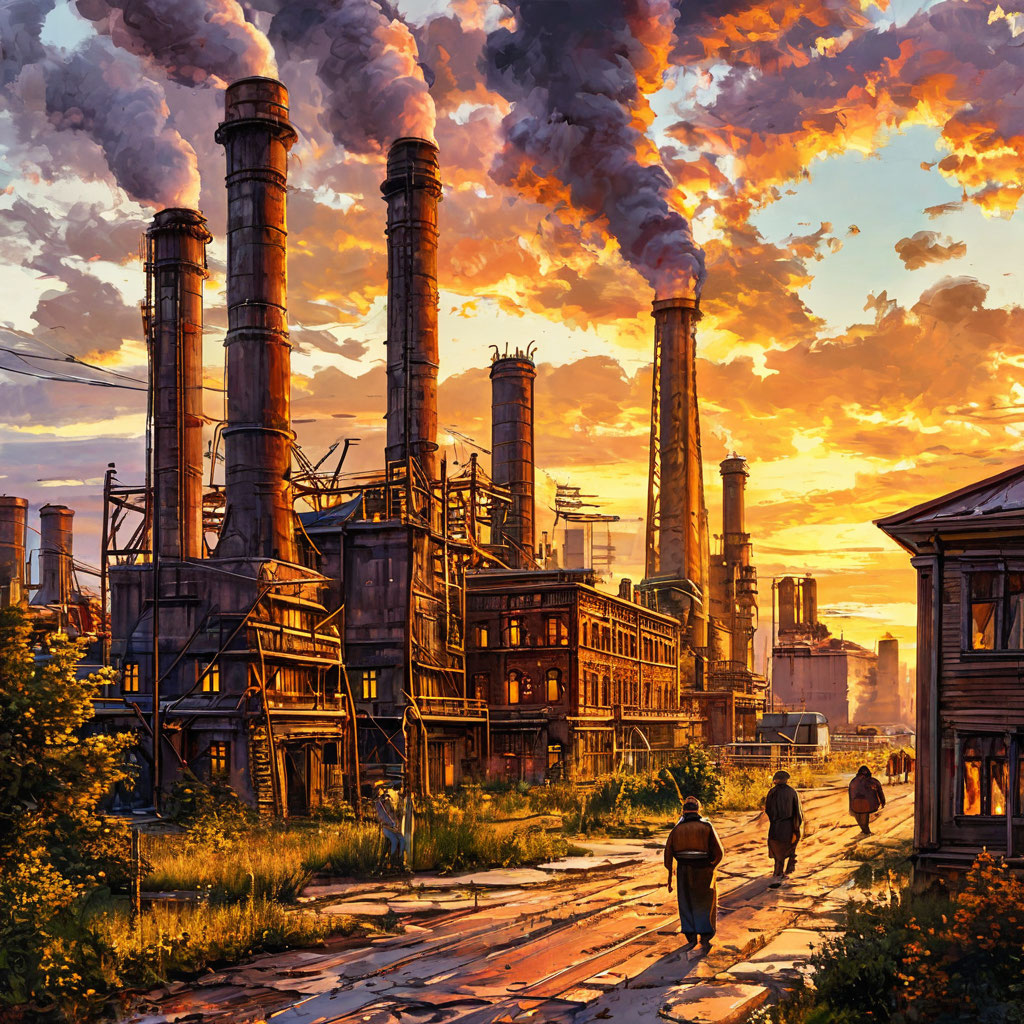
The Architectural Evolution of Ural Factory Towns
Imagine stepping into a time machine and traveling back to the 19th century, to the heart of Russia’s Ural Mountains. Here, amidst the rugged landscapes, a transformation is unfolding—one that will shape the very fabric of these industrial towns. The Ural region, rich in natural resources, becomes a cradle for burgeoning factory towns, each with its own unique architectural journey. Let’s embark on a journey through time and explore how these towns evolved, reflecting the spirit and resilience of their people.
The Birth of Factory Towns
In the early 18th century, Russia’s industrial ambitions led to the establishment of the first ironworks in the Ural region. The city of Yekaterinburg, founded in 1723, stands as a testament to this industrial awakening. Its layout was meticulously planned, with a fortress at its core, symbolizing both defense and the burgeoning industrial prowess. The city’s design was influenced by the principles of the “ideal” city, with straight streets and expansive squares, embodying the Enlightenment ideals of order and rationality.
Architectural Styles and Influences
As the 19th century progressed, the architectural landscape of the Ural factory towns underwent significant transformations. The early years were dominated by the austere and functional designs of the Russian Empire style, reflecting the utilitarian needs of the burgeoning industrial society. However, as the century advanced, there was a shift towards more ornate and eclectic styles, mirroring the economic growth and cultural aspirations of the time.
In Yekaterinburg, for instance, the 1860s marked a departure from strict classical forms. The city began to embrace eclecticism, with the construction of grand commercial buildings and public spaces. The once industrial-centric cityscape transformed, with trading squares and commercial buildings taking precedence. This period saw the rise of numerous trading rows around the Cathedral Square, particularly near the intersection of Uktus Street and Pokrovsky (Siberian) Prospect. The pre-factory areas became densely populated with commercial, residential, and public buildings, signaling a shift in the city’s economic and social fabric.
Notable Architectural Landmarks
The Ural factory towns are adorned with architectural gems that narrate tales of their industrial past. In Yekaterinburg, the Upper-Isetsky Boulevard stands out. Established in the early 19th century, it features the Upper-Isetsky Factory Hospital, constructed between 1824 and 1826. Designed by architect M.P. Malakhov in the classical style, this hospital complex is one of the earliest examples of factory hospital ensembles in the city. Its symmetrical layout and classical facades reflect the era’s architectural sensibilities and the importance placed on worker welfare.
The Role of Architects and Urban Planners
The evolution of these towns was not just a spontaneous process but was guided by visionary architects and urban planners. Figures like Kirill Alekseevich Lutsenko played pivotal roles in shaping the architectural identity of the Ural factory towns. Lutsenko’s designs were characterized by clear geometric layouts, ensuring the efficient placement of factory units and simplicity in construction. His works, such as the residential buildings and workshops in Nizhny Tagil, exemplify the blend of functionality and aesthetic appeal that defined the era’s industrial architecture.
Social and Cultural Impacts
The architectural evolution of the Ural factory towns was deeply intertwined with the social and cultural developments of the time. The shift from wooden to stone constructions not only signified technological advancements but also reflected a growing sense of permanence and stability. The introduction of public buildings like theaters, schools, and hospitals indicated a burgeoning middle class and a society that valued education, health, and culture.
Moreover, the eclectic architectural styles that emerged were a testament to the cultural exchanges and influences that permeated the region. These styles blended traditional Russian elements with European trends, creating a unique architectural language that told the story of a society in transition.
Preservation and Legacy
Today, the architectural heritage of the Ural factory towns stands as a testament to their rich industrial past. Efforts to preserve these structures are ongoing, recognizing their significance in understanding the region’s history and identity. These buildings are not just bricks and mortar; they are the silent witnesses to the dreams, struggles, and triumphs of the people who built them.
As you walk through the streets of these towns, take a moment to appreciate the intricate facades, the grand facades, and the subtle details that adorn these buildings. Each element tells a story, and together, they weave a rich tapestry of the Ural’s industrial heritage.
In conclusion, the architectural evolution of the Ural factory towns is a fascinating journey through time. It reflects the resilience and creativity of a society that harnessed its natural resources to build a thriving industrial landscape. These towns, with their unique architectural styles and landmarks, offer a window into a pivotal era in Russian history, inviting us to explore and appreciate the rich tapestry of human endeavor and creativity.
