
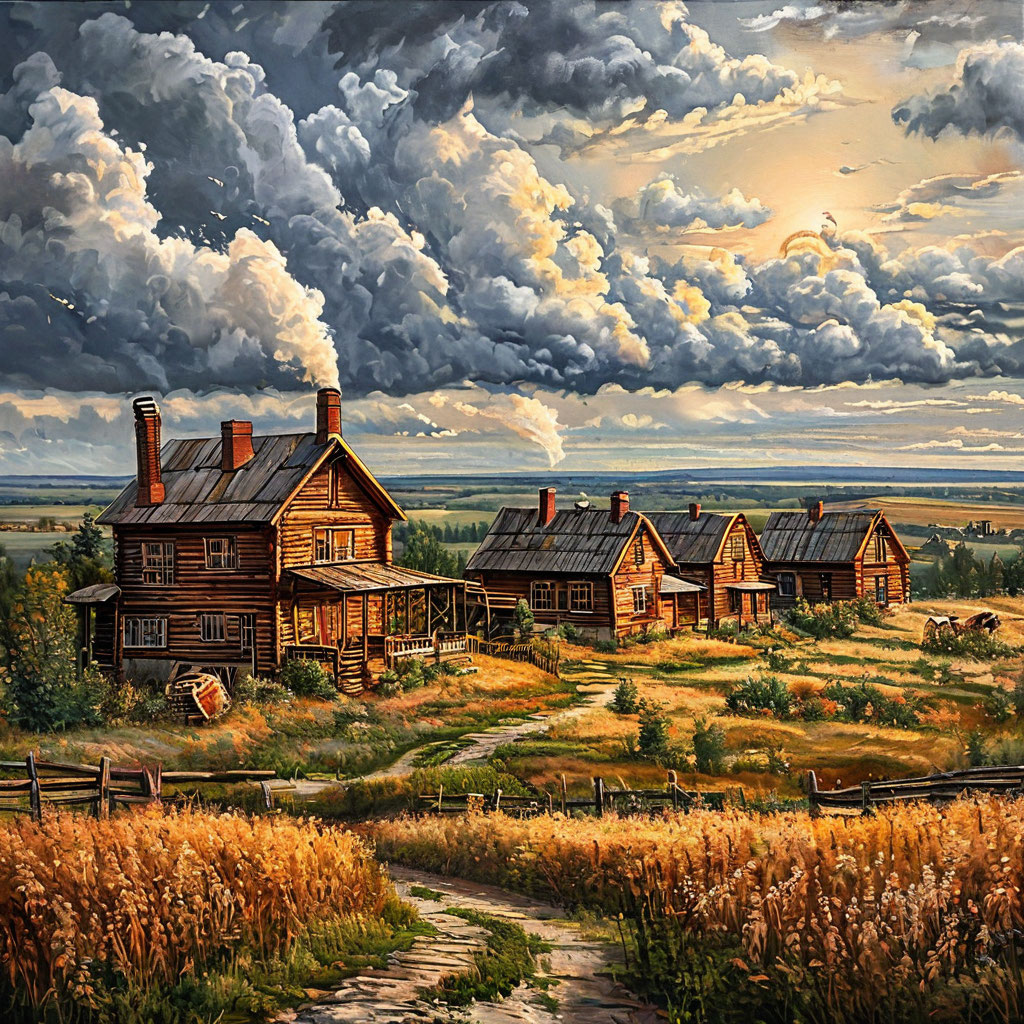
The Establishment of Workers’ Settlements in the Urals
Imagine a vast expanse of rugged mountains and dense forests, stretching across the heart of Russia. This is the Ural region, a land rich in natural resources and steeped in history. In the 19th century, the Urals underwent a profound transformation, evolving from a remote wilderness into a bustling industrial hub. Central to this metamorphosis was the establishment of workers’ settlements, which not only fueled the region’s economic growth but also shaped its social fabric.
The Dawn of Industrialization
In the early 1700s, the Russian Empire embarked on a journey of industrialization, and the Urals were at the forefront of this movement. The first metallurgical plants, such as the Nizhny Tagil and Kamensk plants, were established, laying the foundation for a burgeoning industry. These plants were not just factories; they were the heartbeats of the emerging industrial society, drawing workers from various corners of the empire.
The Rise of Workers’ Settlements
As the industrial landscape expanded, the demand for labor surged. To meet this need, workers’ settlements began to sprout around the factories. These settlements were more than mere housing; they were vibrant communities where people lived, worked, and built their lives. The Nizhny Tagil plant, for instance, became a focal point, attracting a diverse workforce and giving rise to a thriving settlement that mirrored the industrial boom of the era.
Life in the Settlements
Life in these settlements was a blend of hardship and camaraderie. Workers toiled long hours in the factories, yet they found solace in the tight-knit communities they formed. The settlements were often self-sufficient, with communal spaces, markets, and cultural centers. This sense of community provided a support system, helping individuals navigate the challenges of industrial life.
Challenges and Triumphs
The journey was not without its obstacles. Workers faced grueling conditions, with long hours and demanding tasks. However, the resilience of the human spirit shone through. Over time, these settlements evolved, improving living conditions and fostering a sense of pride among the workers. The legacy of these communities is evident in the modern cities of the Urals, which continue to honor their industrial heritage.
Conclusion
The establishment of workers’ settlements in the Urals was a pivotal chapter in the region’s history. These communities were the bedrock of industrialization, embodying the spirit of progress and unity. Their story is a testament to the enduring human drive to build, adapt, and thrive, even in the face of adversity.
