The Role of Ural Industry in Russia’s Industrial Revolution
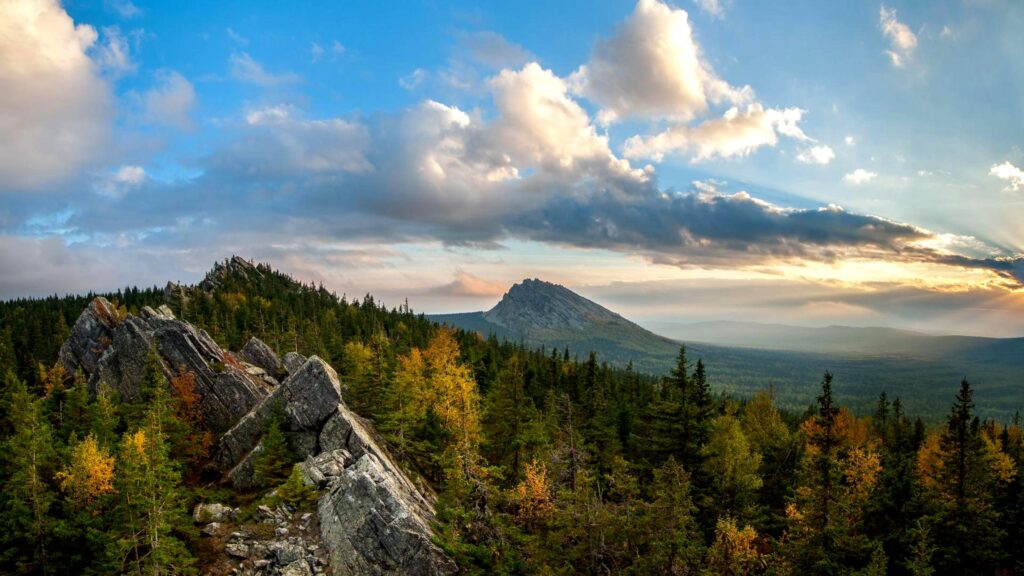
Imagine a vast expanse of dense forests and rugged mountains, stretching across the heart of Russia. This is the Ural region, a land rich in natural resources and steeped in history. In the 19th century, the Urals became the beating heart of Russia’s Industrial Revolution, transforming from a remote wilderness into a bustling industrial powerhouse. Let’s embark on a journey through time to explore how the Ural industry played a pivotal role in shaping Russia’s industrial landscape.
The Dawn of Industrialization in the Urals
In the early 18th century, Russia was a land of untapped potential. The Ural Mountains, rich in minerals and forests, stood as a silent testament to the country’s industrial promise. The turning point came in 1702 when Tsar Peter the Great transferred the unfinished Nevyansk plant to the private ownership of N.D. Demidov. This marked the beginning of a new era. Demidov, a visionary entrepreneur, expanded the plant and laid the foundation for a metallurgical empire. By 1740, the Demidov factories produced about 64% of all Ural and 46% of Russian iron, setting the stage for the region’s industrial dominance. ([en.wikipedia.org](https://en.wikipedia.org/wiki/History_of_metallurgy_in_the_Urals?utm_source=openai))
The Rise of the Ural Mining Civilization
As the 18th century progressed, the Urals witnessed a surge in industrial activity. The term “Ural mining civilization” was coined to describe this period of rapid growth. By the mid-18th century, Russia had become the world’s leading producer of iron, with the Urals contributing a staggering 72% of the total output. This industrial boom not only met domestic needs but also positioned Russia as a formidable player in the global market. ([researchgate.net](https://www.researchgate.net/publication/334026762_The_Post-Industrial_Landscapes_of_Central_Urals_Russia_Heritage_Value_Tourist_Potential_and_Unrealized_Opportunities?utm_source=openai))
Technological Innovations and Challenges
The 19th century was a time of significant technological advancements. The Urals were no exception. Early in the century, the introduction of steam engines revolutionized production processes. The Cherepanov family, renowned engineers, built the first steam locomotive in 1834, connecting the Vysokogorsky mine to the Vysky plant. This innovation reduced transportation costs and increased efficiency. However, despite these advancements, the region faced challenges. The reliance on traditional methods and the reluctance to adopt new technologies led to a technological lag compared to Western counterparts. ([en.wikipedia.org](https://en.wikipedia.org/wiki/History_of_metallurgy_in_the_Urals?utm_source=openai))
The Demidov Legacy
No discussion of Ural industry would be complete without mentioning the Demidov family. Their influence was profound. By the end of the 18th century, the Demidovs had established 55 metallurgical plants, including 40 in the Urals. Their factories produced a significant portion of Russia’s iron and copper, making them a cornerstone of the nation’s industrial strength. ([en.wikipedia.org](https://en.wikipedia.org/wiki/History_of_metallurgy_in_the_Urals?utm_source=openai))
The Cultural and Social Impact
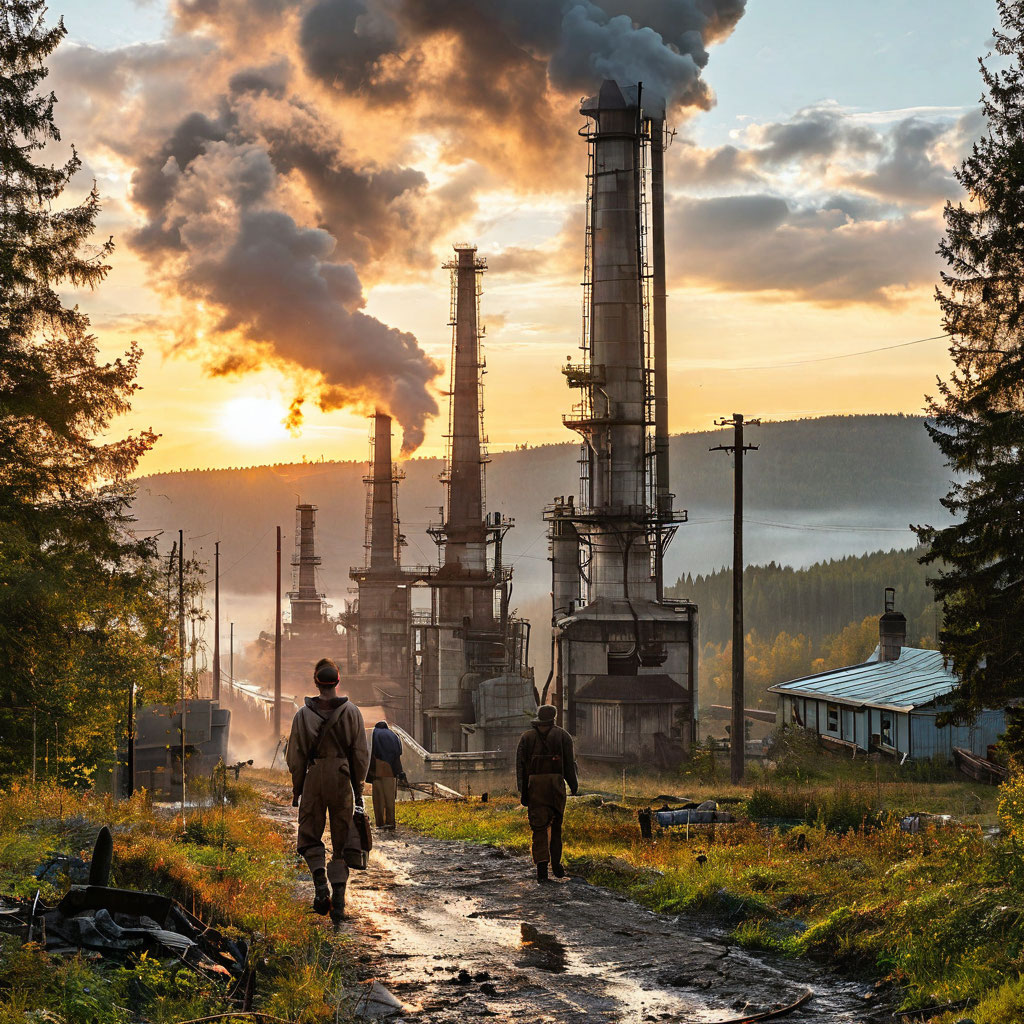
The industrial boom in the Urals had a profound impact on the region’s culture and society. The influx of workers led to the establishment of new towns and cities, each with its unique character. These industrial centers became melting pots of diverse cultures and traditions, contributing to the rich tapestry of Russian society. The architectural styles of these cities reflected the industrial prowess of the time, with grand factories and worker housing standing as monuments to human ingenuity and determination.
Environmental and Social Challenges
However, this rapid industrialization came at a cost. The demand for timber led to deforestation, and the reliance on wood for fuel resulted in environmental degradation. The Pugachev Uprising of 1773-1775, a significant peasant revolt, was partly fueled by the harsh conditions faced by workers and the exploitation of serfs. These events highlighted the social tensions and the need for reforms in the industrial sector. ([en.wikipedia.org](https://en.wikipedia.org/wiki/History_of_metallurgy_in_the_Urals?utm_source=openai))
The Legacy of the Ural Industry
As we reflect on the 19th century, the Urals stand out as a testament to human resilience and innovation. The region’s industrial achievements laid the groundwork for Russia’s emergence as a global industrial power. The challenges faced and the lessons learned continue to resonate, offering valuable insights into the complexities of industrialization. The Urals’ journey from a remote wilderness to an industrial hub is a story of vision, determination, and transformation, echoing the broader narrative of Russia’s Industrial Revolution.
For a deeper dive into the history and impact of the Ural mining civilization, you can explore the following resources:
