
The Reversion of Sverdlovsk to Yekaterinburg (1991)
Imagine a city that has undergone multiple transformations, each leaving an indelible mark on its identity. This is the story of Yekaterinburg, a city in Russia’s Ural Mountains, which, in 1991, reclaimed its original name after decades of change. Let’s delve into the journey of Sverdlovsk’s return to Yekaterinburg and explore the events that led to this significant transformation.
The Origins of Yekaterinburg
Founded in 1723 by Vasily Tatischev and his associate Wilhelm de Gennin, Yekaterinburg was established as a major ironworks center on the Iset River. The city was named in honor of Catherine I, the wife of Peter the Great. Over the centuries, Yekaterinburg evolved into a bustling industrial hub, playing a pivotal role in Russia’s economic development.
The Soviet Era and the Name Change to Sverdlovsk
In 1924, following the death of Yakov Sverdlov, a prominent Bolshevik leader, the city was renamed Sverdlovsk to honor his contributions to the revolution. This change marked a new chapter in the city’s history, aligning its identity with the Soviet regime’s ideals. The name Sverdlovsk became synonymous with industrial prowess and political significance during this period.
The Winds of Change in the Late 20th Century
The late 1980s and early 1990s were times of profound change for the Soviet Union and its constituent republics. The policies of Perestroika and Glasnost introduced by Mikhail Gorbachev aimed to restructure the political and economic landscape, leading to increased openness and a reevaluation of Soviet legacies. These reforms set the stage for a reexamination of place names that honored Soviet figures.
The Movement to Revert the Name
In the late 1980s, discussions began within the city council about returning to the original name of Yekaterinburg. A commission was formed to study public opinion on the matter. The initiative gained momentum as the Soviet Union faced increasing challenges, and there was a growing desire to reconnect with Russia’s pre-revolutionary heritage.
The Pivotal Year of 1991
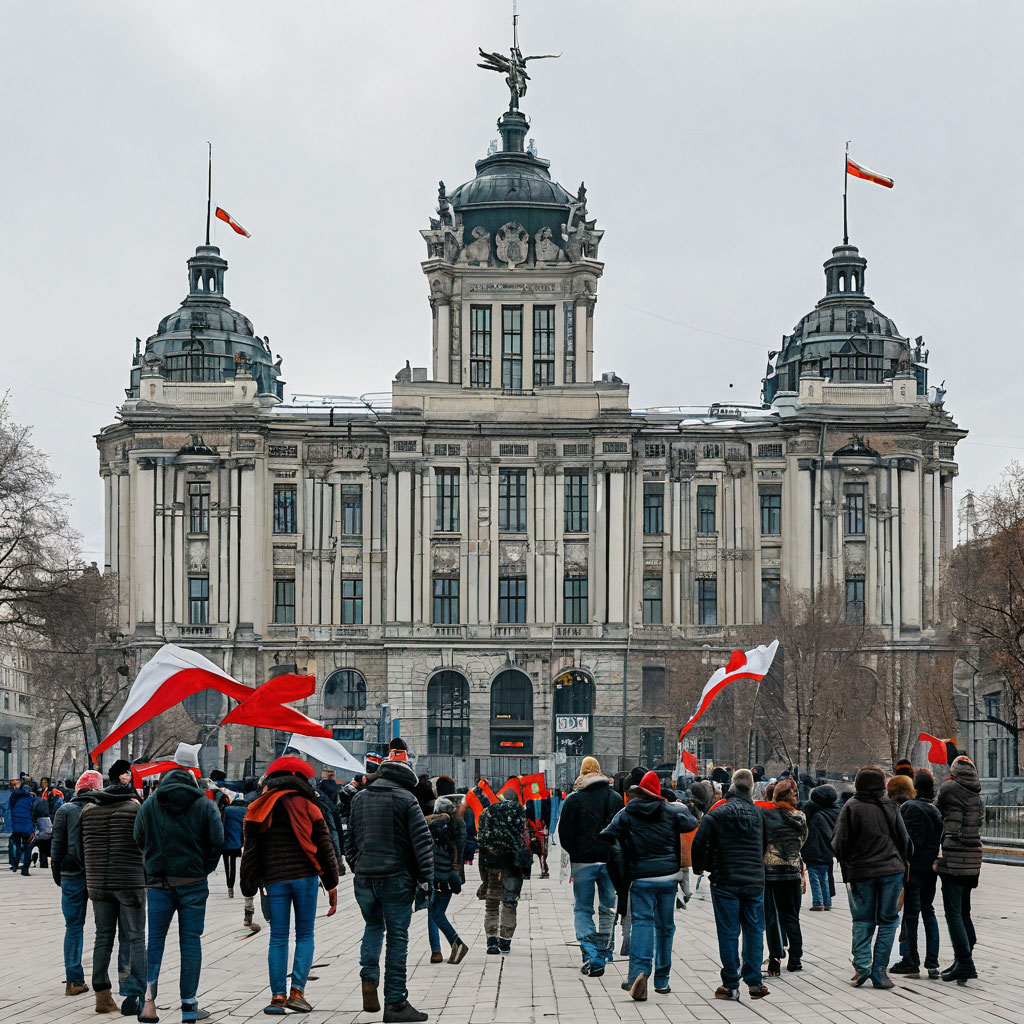
1991 was a year of monumental change. In August, the Soviet Union experienced a failed coup attempt, leading to a surge in nationalist sentiments and a push for greater autonomy among its republics. Amidst this turmoil, the city council of Sverdlovsk took decisive action. On September 4, 1991, during an extraordinary session, the council voted to revert the city’s name back to Yekaterinburg. This decision was a symbolic break from the Soviet past and a step toward embracing the city’s historical identity.
The Aftermath and Legacy
The name change was officially ratified by the Presidium of the Supreme Soviet of the Russian SFSR on September 23, 1991. The following day, the local newspaper “Vecherny Sverdlovsk” (Evening Sverdlovsk) published its first edition under the new name, “Vecherny Yekaterinburg.” This marked the beginning of a new era for the city, reflecting its rich history and cultural heritage.
However, the transition was not without challenges. The 1990s were a period of economic hardship and social upheaval for Russia. Yekaterinburg, like many other cities, faced significant difficulties as it navigated the post-Soviet landscape. Despite these challenges, the decision to revert to Yekaterinburg was a testament to the city’s resilience and its commitment to honoring its past.
Conclusion
The reversion of Sverdlovsk to Yekaterinburg in 1991 was more than a mere change of name; it was a profound statement of identity and a reclaiming of history. It symbolized the city’s journey from its Soviet past to a future rooted in its rich cultural and historical heritage. Today, Yekaterinburg stands as a vibrant metropolis, a testament to the enduring spirit of its people and the complexities of its past.
For a more in-depth exploration of this topic, you can refer to the article “История того, как Свердловск переименовали в Екатеринбург” by historian Andrey Ermolenkov, published on E1.ru. ([e1.ru](https://www.e1.ru/text/gorod/2021/09/23/70151825/?utm_source=openai))
