
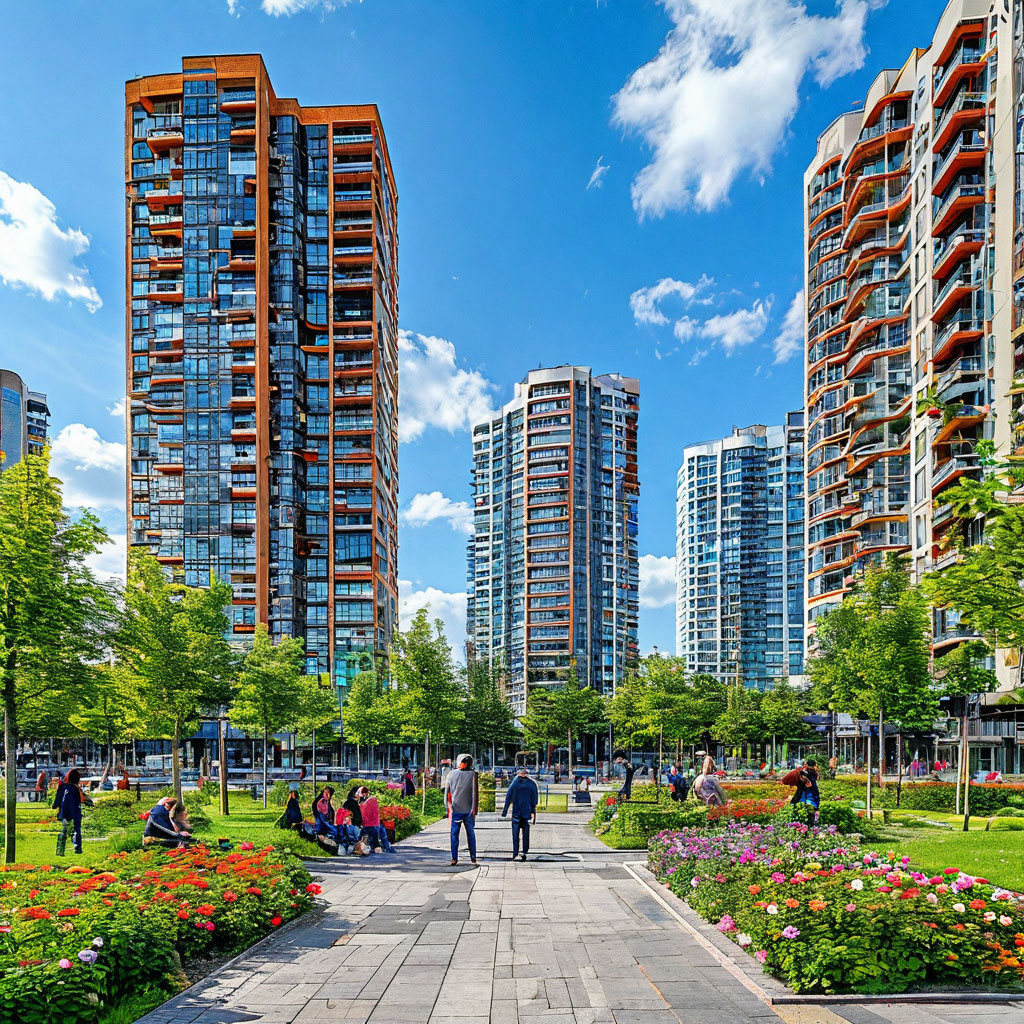
The Development of the Ural Federal District in 2000: A New Era Begins
Imagine a vast expanse stretching from the snow-capped peaks of the Ural Mountains to the endless Siberian taiga, a land rich in minerals, history, and culture. This is the Ural Federal District (UFD), a region that, in the year 2000, embarked on a transformative journey that would reshape its destiny. Let’s delve into the pivotal events and developments that marked the inception of the UFD and set the stage for its future.
The Birth of the Ural Federal District
In May 2000, a significant administrative reorganization took place in Russia. The Ural Federal District was established by a decree from President Vladimir Putin, consolidating six regions into a unified federal subject. These regions included Sverdlovsk, Chelyabinsk, and Kurgan Oblasts, as well as the autonomous okrugs of Khanty-Mansi and Yamalo-Nenets, all under the administrative center of Yekaterinburg. This strategic move aimed to streamline governance and foster coordinated development across the Ural region.
Geographical and Demographic Landscape
The UFD encompasses a vast area of approximately 1.8 million square kilometers, accounting for about 10.62% of Russia’s total territory. To put this into perspective, it’s larger than the combined areas of Germany, France, the United Kingdom, and Spain. The district is home to a diverse population of over 12 million people, with major urban centers such as Yekaterinburg, Chelyabinsk, Tyumen, and Magnitogorsk serving as economic and cultural hubs. The region’s unique blend of urban and rural landscapes contributes to its rich cultural tapestry.
Economic Foundations and Industrial Powerhouses
The Ural region has long been the industrial backbone of Russia, and the year 2000 was no exception. The district’s economy was predominantly driven by the extraction and processing of natural resources. The Khanty-Mansi and Yamalo-Nenets autonomous okrugs, rich in oil and natural gas reserves, played a pivotal role in the nation’s energy sector. These regions accounted for a significant portion of Russia’s oil and gas production, making them crucial to the country’s energy independence and economic stability.
In addition to the energy sector, the UFD was renowned for its metallurgical and machine engineering industries. Cities like Magnitogorsk and Chelyabinsk were home to some of the largest steel plants in the world, producing vast quantities of steel that fueled both domestic and international markets. The region’s industrial prowess was a testament to its rich mineral resources and the resilience of its people.
Strategic Development Initiatives
Recognizing the need for sustainable growth and modernization, the Russian government launched the “Ural Industrial – Ural Polar” project. This ambitious initiative aimed to address the region’s raw material dependency by developing new mining operations and enhancing the transportation and energy infrastructure. The project envisioned the construction of a new transport corridor along the eastern slope of the Ural Mountains, featuring a railway line from Polunochna to Obskaya and a highway connecting Tyumen, Agirish, and Salekhard. The estimated cost of this endeavor was a staggering 560 billion rubles, underscoring the government’s commitment to revitalizing the Ural region’s economy. ([ria.ru](https://ria.ru/20080429/106128185.html?utm_source=openai))
Social and Cultural Dynamics
Beyond its economic significance, the UFD in 2000 was a melting pot of cultures and traditions. The region’s diverse population included ethnic Russians, Tatars, Bashkirs, and various indigenous groups, each contributing to the rich cultural mosaic. The establishment of the UFD provided an opportunity to preserve and promote these cultural identities while fostering a sense of unity and shared purpose among the residents.
However, the year 2000 also presented challenges. The demographic situation in the UFD was becoming increasingly complex, with concerns about population decline and migration patterns. Addressing these issues required innovative solutions and a concerted effort to improve the quality of life for all residents. ([uralpress.ru](https://uralpress.ru/news/obshchestvo/demograficheskaya-situaciya-na-territorii-uralskogo-federalnogo-okruga-prodolzhaet?utm_source=openai))
Looking Ahead: The Path to 2020 and Beyond
The formation of the Ural Federal District in 2000 was not just an administrative change; it was the beginning of a new chapter in the region’s history. The strategic initiatives launched during this period laid the groundwork for future development, focusing on economic diversification, infrastructure modernization, and social cohesion. The vision for 2020 and beyond was clear: to transform the UFD into a dynamic, innovative, and prosperous region that would contribute significantly to Russia’s overall growth and development.
In conclusion, the year 2000 marked a pivotal moment for the Ural Federal District. The establishment of the district, coupled with ambitious development projects and a focus on cultural preservation, set the stage for a future of growth and prosperity. The UFD’s journey from 2000 onwards is a testament to the resilience and determination of its people, as they continue to navigate the challenges and opportunities of the 21st century.
