
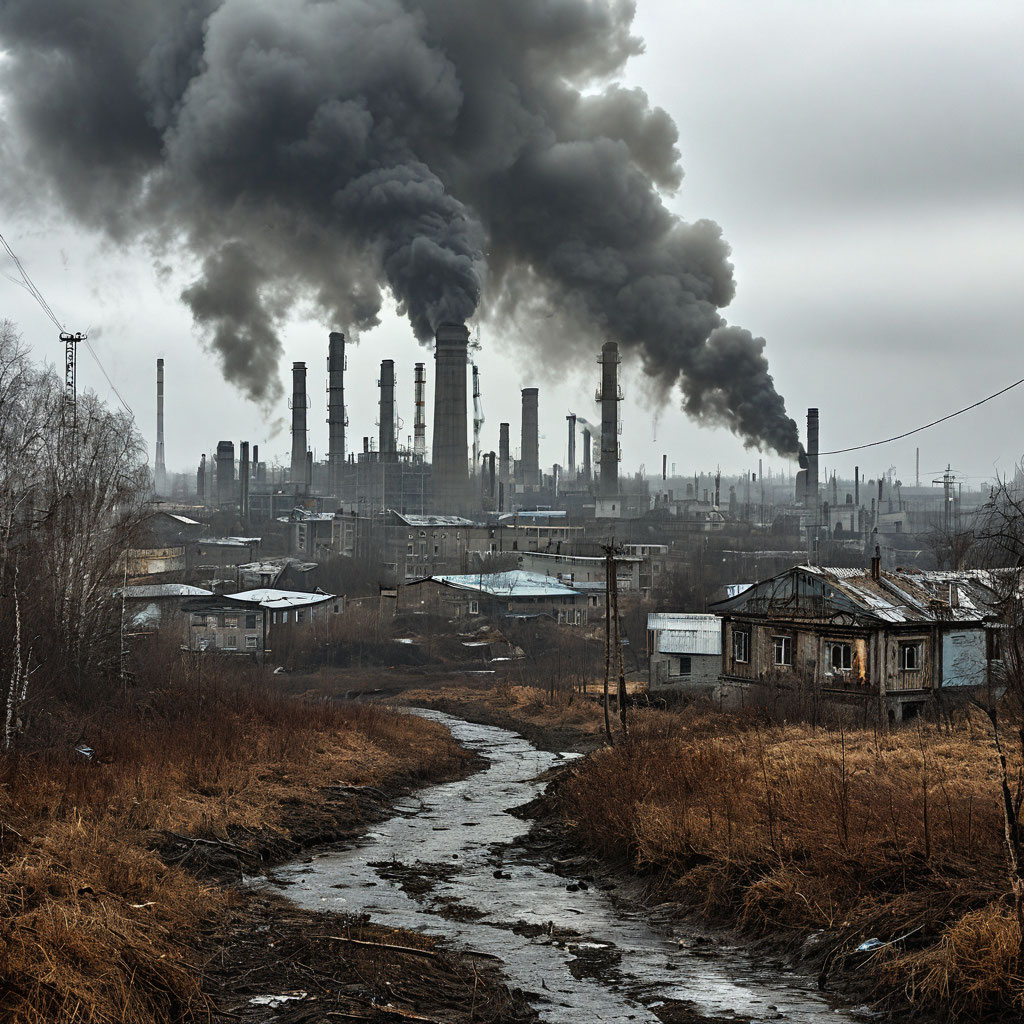
The Environmental Impact of Industrialization in the Urals
Imagine a vast expanse of rugged mountains, dense forests, and pristine rivers stretching across the heart of Russia. This is the Ural region—a land rich in natural beauty and resources. However, the 20th century brought profound changes to this landscape, as industrialization took root, leaving an indelible mark on its environment. Let’s embark on a journey through time to explore how the Ural’s industrial boom reshaped its ecological fabric.
The Industrial Surge: A Double-Edged Sword
In the early 20th century, the Soviet Union embarked on ambitious plans to transform its economy. The Urals, with their abundant mineral wealth, were at the forefront of this industrial revolution. Cities like Magnitogorsk, Mednogorsk, and Berezniki emerged as industrial powerhouses, often referred to as “garden cities” or “socialist cities.” These urban centers were designed with grand visions but, unfortunately, lacked adequate environmental foresight. The rapid construction of factories and residential areas often placed homes in close proximity to industrial sites, exposing residents to harmful emissions and pollutants. This oversight led to significant ecological degradation, affecting air, water, and soil quality. ([stroymusey.ru](https://www.stroymusey.ru/journal/industrialism.php?utm_source=openai))
Air Pollution: The Invisible Menace
As factories belched smoke and fumes into the atmosphere, the Urals became a hotspot for air pollution. In cities like Chelyabinsk, Sverdlovsk (now Yekaterinburg), and Perm, the air quality deteriorated rapidly. The release of sulfur dioxide, nitrogen oxides, and other harmful substances led to acid rain, which damaged vegetation and contaminated water sources. The once-clear skies were often shrouded in a haze, and the health of both humans and wildlife suffered. ([ecologanna.ru](https://ecologanna.ru/ekologicheskie-problemy/ekologicheskie-problemy-urala?utm_source=openai))
Water Contamination: Rivers in Peril
The Urals’ rivers, vital lifelines for many communities, faced severe pollution. Industrial waste, including heavy metals and toxic chemicals, was frequently discharged into these waterways. The Techa River, for instance, became a dumping ground for radioactive waste from the Mayak nuclear facility. This contamination not only harmed aquatic life but also posed serious health risks to those relying on these rivers for drinking water and fishing. ([ecoportal.su](https://ecoportal.su/public/region/view/1449.html?utm_source=openai))
Deforestation: The Vanishing Green
The insatiable demand for timber to fuel industrial growth led to extensive deforestation. Forests that once teemed with biodiversity were cleared to make way for factories and urban expansion. The loss of these green spaces disrupted ecosystems, reduced biodiversity, and contributed to soil erosion. The Ural’s forests, which had stood for centuries, were rapidly disappearing, altering the region’s natural balance. ([historyntagil.ru](https://historyntagil.ru/books/11_23_22.htm?utm_source=openai))
Radioactive Contamination: A Silent Threat
In the mid-20th century, the Soviet Union’s pursuit of nuclear technology introduced a new environmental challenge. The Mayak nuclear facility, located near Chelyabinsk, became one of the world’s most significant sources of radioactive contamination. In 1957, a catastrophic accident released a massive amount of radioactive material into the environment, affecting vast areas and leaving a legacy of contamination that persists to this day. ([ecoportal.su](https://ecoportal.su/public/region/view/1449.html?utm_source=openai))
Industrial Accidents: Unforeseen Disasters
Industrialization also brought about unforeseen disasters. In 2020, a massive diesel fuel spill occurred in Norilsk, a city in the Russian Arctic. The spill released over 21,000 tons of diesel fuel into the environment, contaminating rivers and soil. This incident highlighted the ongoing environmental risks associated with industrial activities in the region. ([ru.wikipedia.org](https://ru.wikipedia.org/wiki/%D0%A0%D0%B0%D0%B7%D0%BB%D0%B8%D0%B2_%D0%B4%D0%B8%D0%B7%D0%B5%D0%BB%D1%8C%D0%BD%D0%BE%D0%B3%D0%BE_%D1%82%D0%BE%D0%BF%D0%BB%D0%B8%D0%B2%D0%B0_%D0%B2_%D0%9D%D0%BE%D1%80%D0%B8%D0%BB%D1%8C%D1%81%D0%BA%D0%B5?utm_source=openai))
Health Impacts: A Toll on Human Lives
The environmental degradation had direct consequences for human health. Residents of industrial cities experienced higher rates of respiratory diseases, cancers, and other health issues linked to pollution. The once-thriving communities found themselves grappling with the adverse effects of the very industries that had promised prosperity. ([ecologanna.ru](https://ecologanna.ru/ekologicheskie-problemy/ekologicheskie-problemy-urala?utm_source=openai))
Efforts Toward Remediation: A Ray of Hope
Recognizing the environmental challenges, efforts have been made to address and mitigate the damage. In recent years, there has been a concerted push toward environmental restoration, including the cleanup of polluted sites, reforestation projects, and stricter regulations on industrial emissions. While progress has been made, the road to recovery is long, and the scars of industrialization remain evident. ([ecologanna.ru](https://ecologanna.ru/ekologicheskie-problemy/ekologicheskie-problemy-urala?utm_source=openai))
Conclusion: Lessons Learned and the Path Forward
The story of the Urals’ industrialization is a testament to human ambition and its potential consequences. It serves as a poignant reminder of the delicate balance between industrial progress and environmental stewardship. As we look to the future, the Urals’ experience underscores the importance of sustainable development and the need to harmonize human activities with the preservation of our planet’s health.
