
The Development of Higher Education in the Ural Region
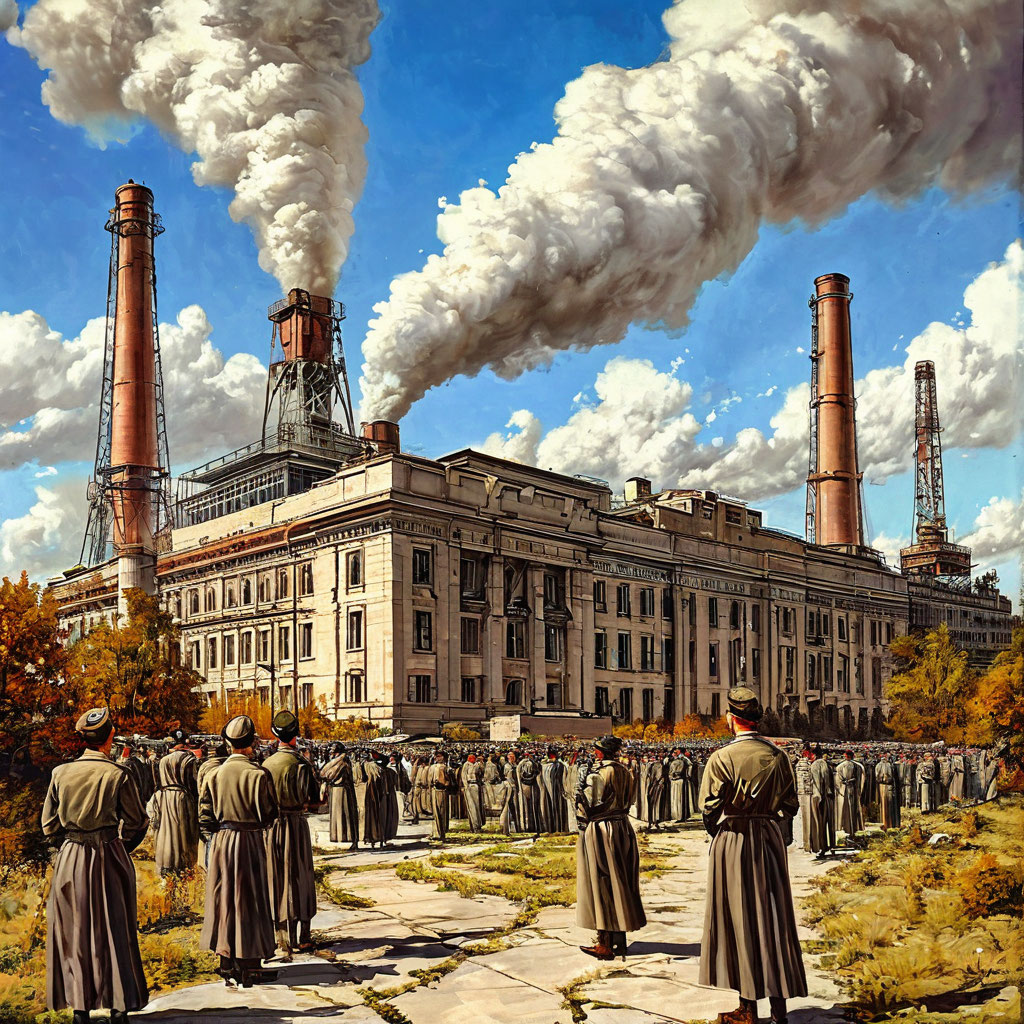
Imagine a vast expanse of rugged mountains, dense forests, and industrious cities stretching across the heart of Russia. This is the Ural region—a land rich in natural resources, cultural diversity, and a history of resilience. Amidst its picturesque landscapes and industrial prowess, the evolution of higher education in the Urals tells a compelling story of ambition, adaptation, and transformation.
The Early Foundations: 19th Century Beginnings
In the late 19th century, the Ural region was a burgeoning industrial hub, attracting workers and scholars alike. The need for specialized education to support the growing industries became evident. However, formal higher education institutions were scarce, and many aspiring students had to travel to distant cities or even abroad to pursue advanced studies.
The Birth of Ural State University: 1920
In 1920, a significant milestone occurred with the establishment of the Ural State University (USU) in Yekaterinburg. This institution aimed to provide comprehensive education and research opportunities tailored to the region’s industrial needs. The university’s inception marked a new era, offering programs in mining, metallurgy, and engineering—fields crucial to the Ural’s economic development.
Expansion and Diversification: 1930s
The 1930s witnessed rapid industrialization, leading to an increased demand for specialized professionals. In response, the Ural State University expanded its faculties and introduced new departments. The creation of the Ural Polytechnic Institute in 1930 further diversified educational offerings, emphasizing technical disciplines essential for the region’s growth.
World War II and Its Aftermath: 1940s
The outbreak of World War II posed unprecedented challenges. Many students and faculty members enlisted, and the universities faced resource shortages. Despite these hardships, institutions like USU continued to operate, contributing to the war effort through research and training. Post-war, there was a concerted effort to rebuild and modernize the educational infrastructure to meet the demands of a recovering nation.
Post-War Growth and Innovation: 1950s-1970s
The mid-20th century was a period of significant growth. New universities and institutes emerged, such as the Ural State Technical University (USTU) in 1948, focusing on engineering and technical education. The establishment of the Ural State Forest Engineering University in 1930 addressed the need for forestry professionals, highlighting the region’s commitment to sustainable development. These institutions not only provided education but also engaged in research that addressed regional challenges, from industrial efficiency to environmental conservation.
Modernization and Globalization: 1980s-Present
The late 20th and early 21st centuries brought about profound changes. The dissolution of the Soviet Union led to economic and political shifts, prompting universities to adapt. The Ural Federal University (UrFU), established in 2010, emerged as a leading institution, integrating various universities and fostering international collaborations. This period emphasized innovation, with universities becoming centers for technological advancement and entrepreneurship, aligning with global educational trends.
Notable Institutions and Their Contributions
The Ural region is home to several esteemed institutions that have significantly contributed to higher education:
- Ural State University (USU): Founded in 1920, USU has been a cornerstone of higher education, offering diverse programs and conducting research that addresses both regional and global challenges.
- Ural State Technical University (USTU): Established in 1948, USTU has been instrumental in training engineers and technical specialists, playing a pivotal role in the region’s industrial development.
- Ural State Forest Engineering University: Since 1930, this institution has focused on forestry education, promoting sustainable practices and environmental stewardship in the Ural’s vast forests.
- Ural Federal University (UrFU): Formed in 2010, UrFU represents the consolidation and modernization of higher education in the region, embracing innovation and international partnerships.
Challenges and Triumphs
The journey of higher education in the Urals has been marked by resilience. From the hardships of war to the complexities of political transitions, institutions have continually adapted. The emphasis on technical and industrial education has ensured that graduates are well-equipped to meet the region’s evolving needs. Moreover, the integration of research and practical application has fostered a culture of innovation, addressing challenges unique to the Ural region.
Conclusion: A Legacy of Resilience and Innovation
The development of higher education in the Ural region is a testament to the enduring spirit of its people. Through periods of adversity and change, the commitment to education has remained steadfast. Today, the Urals stand as a vibrant center of learning and innovation, with universities that not only honor their rich history but also look forward to a future of continued growth and contribution to society.
For a more in-depth exploration of the history and impact of these institutions, you can visit the official website of the Ural Federal University: https://100.urfu.ru/
