
The Impact of WWII on Ural’s Demographics and Urbanization
Imagine a vast, rugged land stretching from the Ural Mountains to the Siberian plains—a region rich in natural resources and steeped in history. This is the Ural, a place that witnessed profound transformations during the tumultuous years of World War II. The war’s shadow cast long over the Ural’s demographics and urban landscape, reshaping its very fabric in ways that continue to influence the region today.
The Prelude: A Snapshot of the Ural Before the War
Before the outbreak of World War II, the Ural was a mosaic of bustling industrial centers and serene rural communities. Cities like Sverdlovsk (now Yekaterinburg) and Chelyabinsk were thriving hubs of industry, while the surrounding countryside was dotted with villages that had their own unique rhythms and traditions. The population was a tapestry of various ethnicities, including Russians, Tatars, Bashkirs, and Ukrainians, each contributing to the rich cultural heritage of the region.
The Onset of War: A Catalyst for Change
As the war erupted in 1941, the Ural found itself on the front lines of a new kind of battle—one that would test its resilience and adaptability. The Soviet government, recognizing the strategic importance of the Ural’s industrial capacity, initiated a massive evacuation of factories, institutions, and people from the western parts of the USSR to the relative safety of the east. This was not just a relocation; it was a lifeline that would alter the demographic and urban landscape of the Ural forever.
The Great Evacuation: A Surge of New Faces
Between 1941 and 1942, the Ural region became a sanctuary for millions fleeing the advancing German forces. By the end of 1942, the Ural had welcomed over 2 million evacuees, with Sverdlovsk alone accommodating more than 700,000 people. This influx was not limited to civilians; entire industries, scientific institutions, and cultural organizations were relocated, bringing with them a wealth of knowledge and expertise. The Ural’s cities, once modest in size, now found themselves bursting at the seams, their infrastructures stretched to the limit.
Urbanization Accelerated: From Villages to Cities
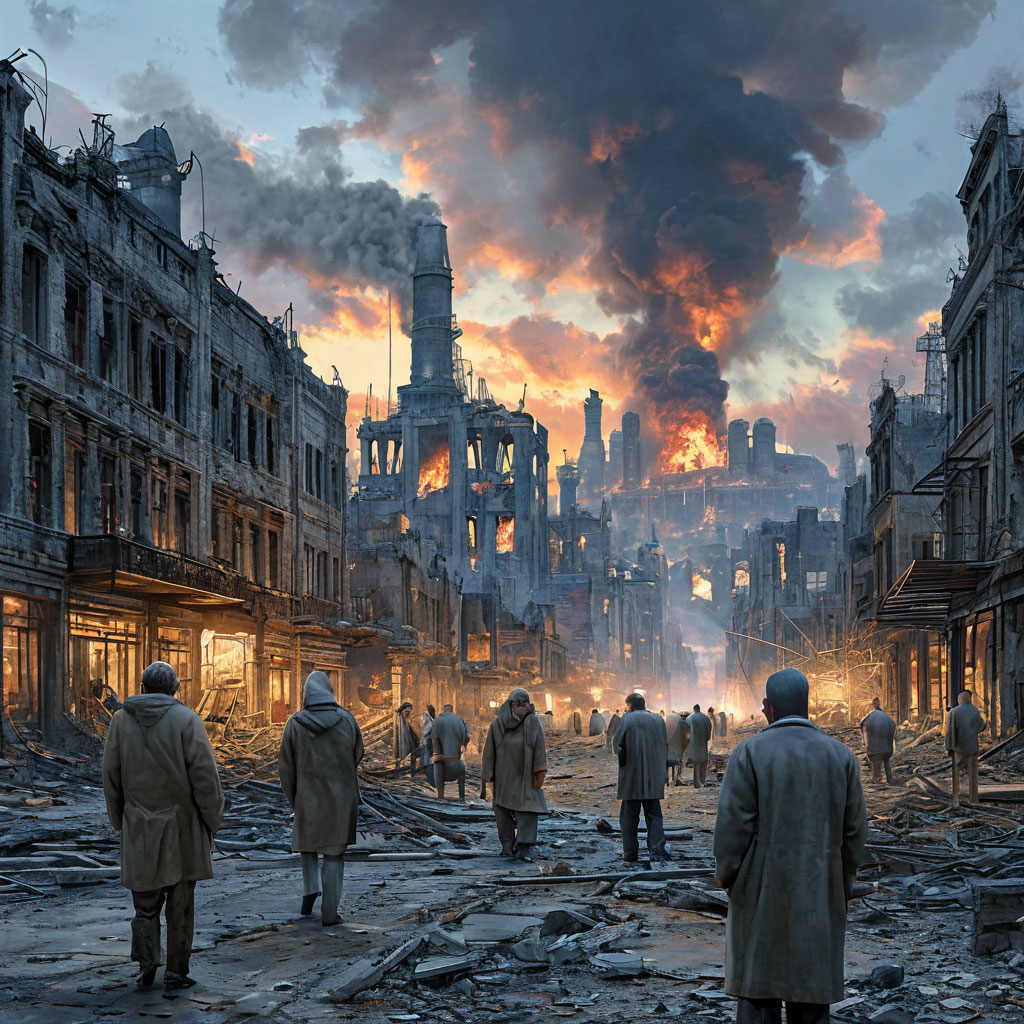
The sudden population boom had a profound impact on the Ural’s urbanization. Cities like Sverdlovsk and Chelyabinsk expanded rapidly, their skylines transformed by the construction of new factories, residential buildings, and public amenities. The once predominantly rural region was now witnessing a shift towards urban living. However, this rapid urbanization was not without its challenges. The existing infrastructure struggled to keep pace with the growing demands, leading to overcrowded housing, strained public services, and a general sense of disarray in the urban environment.
Demographic Shifts: A Melting Pot of Cultures
The evacuees brought with them diverse cultural backgrounds, adding new layers to the Ural’s demographic tapestry. Russians, Jews, Ukrainians, Belarusians, and many others found themselves coexisting in this new, often unfamiliar, environment. This cultural amalgamation led to a blending of traditions, languages, and customs, enriching the social fabric of the region. Yet, it also posed challenges in terms of integration and social cohesion, as different groups navigated the complexities of their new lives amidst the backdrop of war.
Economic Transformation: From Survival to Growth
The Ural’s economy underwent a dramatic transformation during the war years. The influx of industries and the establishment of new factories turned the region into a formidable industrial powerhouse. The production of military equipment, machinery, and other essential goods became the focal point, driving economic growth and providing employment opportunities for the burgeoning urban population. This industrial boom laid the foundation for the Ural’s post-war economic development, setting the stage for its emergence as a key player in the Soviet economy.
Post-War Realities: Repatriation and Reconstruction
As the war drew to a close, the Ural faced the complex task of repatriating evacuees and reintegrating them into their pre-war lives. Some chose to return to their original homes, while others decided to remain in the Ural, having established new roots. The region embarked on a journey of reconstruction, rebuilding its cities and industries, and addressing the social and economic challenges that had arisen during the war years. The demographic landscape continued to evolve, reflecting the resilience and adaptability of the Ural’s people.
Legacy: The Ural’s Enduring Transformation
The impact of World War II on the Ural’s demographics and urbanization is a testament to the region’s capacity for change and growth. The war acted as a catalyst, accelerating processes that might have taken decades under normal circumstances. The Ural emerged from the war not only as a vital industrial center but also as a vibrant, multicultural society. The scars of war were evident, but so were the stories of survival, adaptation, and transformation that continue to define the Ural today.
In exploring the Ural’s journey through the crucible of World War II, we gain insight into the broader human experience of resilience and renewal. The Ural’s story is not just a chapter in Russian history; it is a universal tale of how communities can rebuild and thrive in the face of adversity. The echoes of the past continue to resonate, reminding us of the enduring spirit of the Ural’s people and the indelible mark of history on the land they call home.
For a more detailed exploration of the Ural’s demographic changes during World War II, you can refer to the article “Миграции населения на Южном Урале в годы Великой Отечественной войны” by A.V. Fedorova and E.G. Bogdanova, published in the journal “Демографический потенциал стран ЕАЭС” in 2017. This study provides an in-depth analysis of the migration patterns and their impact on the region’s demographic landscape during the war years. ([elar.urfu.ru](https://elar.urfu.ru/handle/10995/55586?utm_source=openai))
