
Preservation of Indigenous Languages in the Urals
Imagine a world where the rich tapestry of human history is woven with countless languages, each carrying unique stories, traditions, and wisdom. Now, picture that tapestry unraveling as these languages fade into silence. This is the reality facing many indigenous languages in the Urals, a region straddling the Ural Mountains in Russia. The preservation of these languages is not just about words; it’s about safeguarding the very essence of diverse cultures and identities.
The Linguistic Landscape of the Urals
The Urals are home to a mosaic of indigenous peoples, each with their own distinct language. Among the most prominent are:
- Mansi: An Ob-Ugric language spoken by the Mansi people, primarily in the Khanty-Mansi Autonomous Okrug. Despite its rich heritage, the Mansi language faces significant challenges, with a declining number of speakers and limited intergenerational transmission. ([en.wikipedia.org](https://en.wikipedia.org/wiki/Mansi_people?utm_source=openai))
- Khanty: Closely related to Mansi, the Khanty language is also part of the Ob-Ugric group. It shares many linguistic features with Mansi, reflecting the intertwined histories of these communities. ([en.wikipedia.org](https://en.wikipedia.org/wiki/Mansi_people?utm_source=openai))
- Udmurt: A Finno-Ugric language spoken by the Udmurt people, primarily in the Udmurt Republic. The Udmurt language has experienced a decline in speakers, with younger generations increasingly adopting Russian. ([mdpi.com](https://www.mdpi.com/2226-471X/9/9/286?utm_source=openai))
- Erzya: A Mordvinic language spoken by the Erzya people, mainly in the Republic of Mordovia. Efforts have been made to develop neural machine translation systems for Erzya, highlighting the community’s commitment to preserving their language. ([arxiv.org](https://arxiv.org/abs/2209.09368?utm_source=openai))
- Yukaghir: An ancient language with two extant varieties—Tundra Yukaghir and Kolyma Yukaghir. Once spoken across a vast area, these languages now have very few speakers, making their preservation a critical concern. ([en.wikipedia.org](https://en.wikipedia.org/wiki/Yukaghir_languages?utm_source=openai))
- Oroch: A Tungusic language spoken by the Oroch people in the Russian Far East. The Oroch language is considered extinct, with the last active speaker having passed away in 2008. ([en.wikipedia.org](https://en.wikipedia.org/wiki/Oroch_language?utm_source=openai))
These languages are not just means of communication; they are vessels of history, culture, and identity. Their decline signifies the loss of unique worldviews and traditional knowledge systems.
The Challenges of Language Preservation
Preserving indigenous languages in the Urals is fraught with challenges:
- Declining Number of Speakers: As younger generations shift towards dominant languages like Russian, the number of native speakers dwindles, leading to the erosion of linguistic diversity. ([themoscowtimes.com](https://www.themoscowtimes.com/2025/02/21/for-indigenous-families-in-russia-keeping-language-alive-is-an-impossible-task-a88097?utm_source=openai))
- Limited Educational Resources: There is a scarcity of educational materials and qualified teachers proficient in indigenous languages, hindering effective language transmission. ([lingsib.iea.ras.ru](https://lingsib.iea.ras.ru/en/round_table/papers/zakharova.shtml?utm_source=openai))
- Socioeconomic Pressures: Economic factors often prioritize practical skills over cultural education, leading to the undervaluation of indigenous languages. ([mdpi.com](https://www.mdpi.com/2226-471X/9/9/286?utm_source=openai))
- Urbanization and Migration: Movement from rural to urban areas results in the loss of traditional lifestyles and languages, as urban environments predominantly use the national language. ([themoscowtimes.com](https://www.themoscowtimes.com/2025/02/21/for-indigenous-families-in-russia-keeping-language-alive-is-an-impossible-task-a88097?utm_source=openai))
These challenges are not insurmountable. With concerted efforts, the rich linguistic heritage of the Urals can be preserved for future generations.
Efforts Towards Revitalization
In response to the linguistic crisis, various initiatives have been launched to revitalize indigenous languages in the Urals:
- Educational Programs: Schools in indigenous communities are incorporating native language instruction, aiming to foster bilingualism among students. ([lingsib.iea.ras.ru](https://lingsib.iea.ras.ru/en/round_table/papers/zakharova.shtml?utm_source=openai))
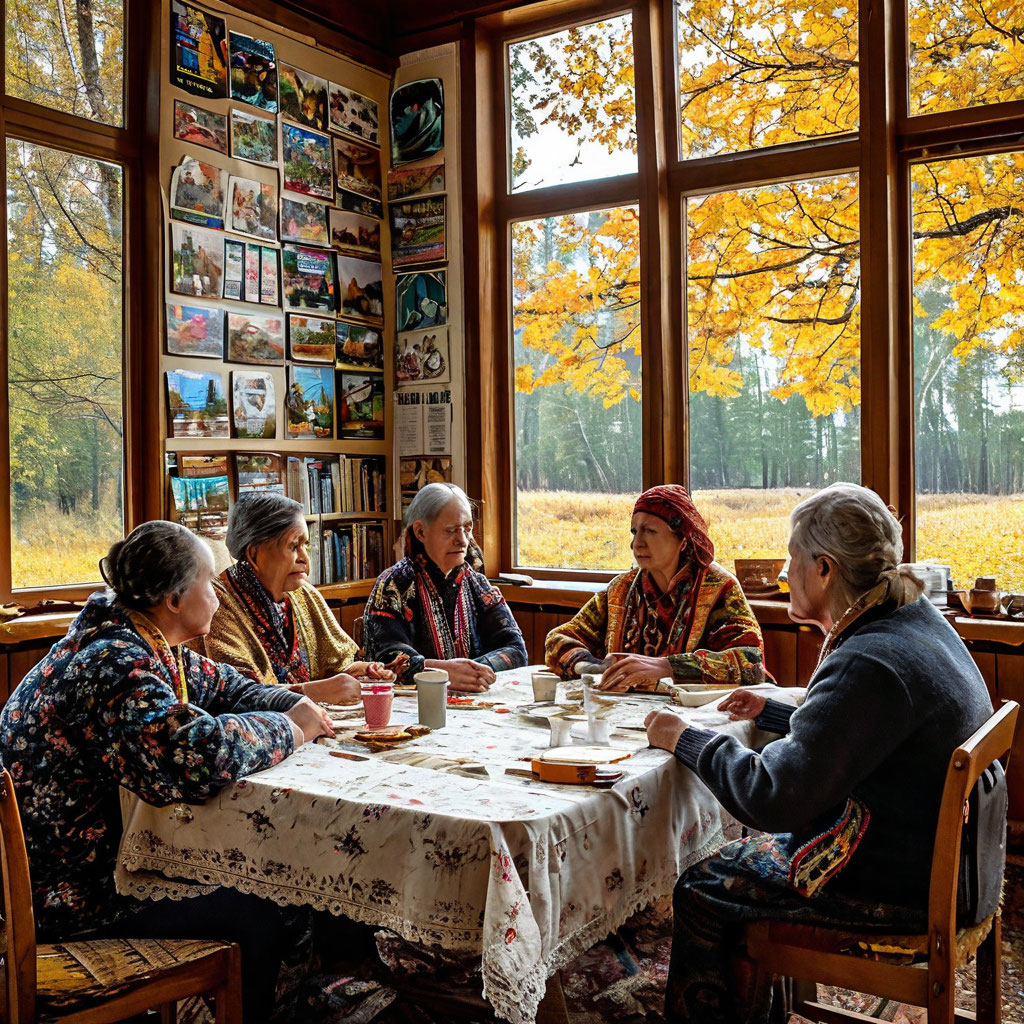
- Community Centers: Establishing centers dedicated to indigenous cultures provides spaces for language learning, cultural events, and the transmission of traditional knowledge. ([themoscowtimes.com](https://www.themoscowtimes.com/2025/02/21/for-indigenous-families-in-russia-keeping-language-alive-is-an-impossible-task-a88097?utm_source=openai))
- Digital Resources: Developing online platforms and digital content in indigenous languages increases accessibility and engagement among younger audiences. ([arxiv.org](https://arxiv.org/abs/2209.09368?utm_source=openai))
- Government Policies: Some regional governments are recognizing the importance of linguistic diversity and are implementing policies to support the preservation of indigenous languages. ([fao.org](https://www.fao.org/russian-federation/news/news-detail/A-people-without-its-language-is-like-a-bell-without-its-tongue-silent-let-us-preserve-Indigenous-languages/en?utm_source=openai))
These efforts are crucial in reversing the trend of language loss and ensuring that indigenous languages continue to thrive in the Urals.
The Role of Technology in Language Preservation
Technology plays a pivotal role in the preservation and revitalization of indigenous languages:
- Machine Translation Systems: The development of neural machine translation systems for languages like Erzya facilitates communication and access to information in the native language. ([arxiv.org](https://arxiv.org/abs/2209.09368?utm_source=openai))
- Online Dictionaries and Databases: Digital repositories of vocabulary and grammar rules serve as valuable resources for learners and researchers. ([lingsib.iea.ras.ru](https://lingsib.iea.ras.ru/en/?utm_source=openai))
- Social Media Platforms: Utilizing platforms like Facebook and YouTube allows speakers to share content, engage with others, and promote language use in daily life. ([medium.com](https://medium.com/wikitongues/international-movement-for-recognition-and-preservation-of-indigenous-languages-149f269a0042?utm_source=openai))
By harnessing technology, communities can reach a broader audience and create innovative solutions to language preservation challenges.
The Importance of Cultural Identity
Language is intrinsically linked to cultural identity. For indigenous peoples in the Urals, their languages encapsulate unique worldviews, traditions, and histories. Preserving these languages is not merely an academic endeavor; it’s a matter of cultural survival. As the United Nations emphasizes, “A people without its language is like a bell without its tongue – silent: let us preserve Indigenous languages.” ([fao.org](https://www.fao.org/russian-federation/news/news-detail/A-people-without-its-language-is-like-a-bell-without-its-tongue-silent-let-us-preserve-Indigenous-languages/en?utm_source=openai))
Therefore, supporting language preservation efforts is essential for maintaining the rich cultural diversity that defines humanity. It’s a collective responsibility to ensure that these languages continue to resonate, carrying the voices of their speakers into the future.
Conclusion
The indigenous languages of the Urals are treasures that reflect the deep-rooted histories and cultures of their communities. While they face significant challenges, the concerted efforts of communities, governments, and organizations offer hope for their revitalization. By embracing both traditional and innovative approaches, we can ensure that these languages endure, enriching the global tapestry of human diversity.
Let us stand together in support of these languages, for in their preservation lies the preservation of the diverse and vibrant cultures they represent.
