
Infrastructure Modernization in Ural Cities: A Journey Through Transformation
Imagine standing in the heart of Yekaterinburg, the bustling capital of Russia’s Sverdlovsk Oblast. The city, once a hub of industrial might, now showcases a harmonious blend of its rich industrial heritage and modern advancements. This transformation is not just a tale of bricks and mortar but a testament to the resilience and vision of the Ural region’s inhabitants.
The Industrial Backbone of the Urals
The Ural Mountains, stretching from the Arctic Ocean to Kazakhstan, have long been the industrial heartland of Russia. Cities like Yekaterinburg, Chelyabinsk, and Nizhny Tagil have been synonymous with heavy industry, producing everything from steel to machinery. However, as the 21st century dawned, these cities faced the challenge of modernizing their infrastructure to meet the demands of a rapidly evolving world.
Yekaterinburg: A Beacon of Transformation
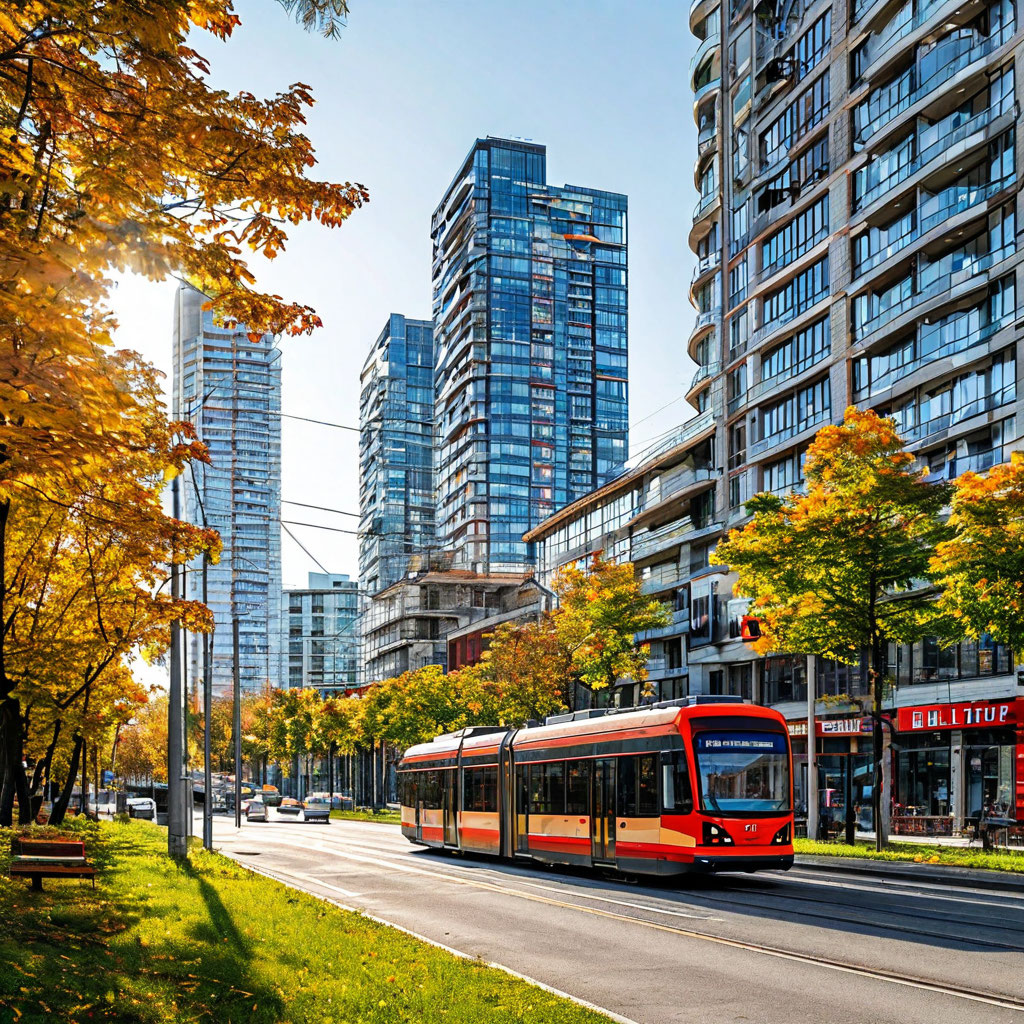
Yekaterinburg, Russia’s fourth-largest city, has undergone a remarkable metamorphosis. Once dominated by Soviet-era structures, the city now boasts a skyline adorned with sleek skyscrapers and modernist architecture. This evolution is not merely aesthetic; it reflects a broader commitment to modernization.
In 2018, Yekaterinburg had the honor of hosting several matches during the FIFA World Cup. This global event acted as a catalyst, prompting significant upgrades to the city’s infrastructure. The Koltsovo International Airport underwent extensive renovations, including the construction of a second runway and the expansion of passenger terminals, enhancing its capacity to handle increased international traffic. The city’s road networks were also revamped, with the introduction of the Yekaterinburg Ring Road (EKAD) designed to alleviate congestion and streamline traffic flow. This ambitious project aimed to encircle the city, connecting major highways and facilitating smoother transit for both residents and visitors. ([en.wikipedia.org](https://en.wikipedia.org/wiki/Yekaterinburg?utm_source=openai))
Chelyabinsk: Embracing the Digital Era
South of Yekaterinburg lies Chelyabinsk, a city that has embraced the digital revolution. In 2020, Chelyabinsk signed a cooperation agreement with ER-Telecom Holding to develop information and communication technologies. This partnership aimed to enhance the city’s digital infrastructure, ensuring that residents and businesses have access to reliable and high-speed internet services. Such initiatives are crucial in a world where digital connectivity is paramount for economic growth and quality of life. ([tadviser.com](https://tadviser.com/index.php/Article%3ASmart_city%3A_development_in_Russia?utm_source=openai))
Nizhny Tagil: Illuminating the Future
Nizhny Tagil, another prominent Ural city, embarked on a journey to modernize its urban lighting system. In 2020, Rostec’s Schwabe holding implemented a life cycle contract for the design, construction, and maintenance of the city’s outdoor lighting. Over 9,000 lighting poles were installed, approximately 15,000 lamps were set up, and 455 kilometers of street lighting networks were established. This endeavor not only beautified the city but also enhanced safety and energy efficiency, reflecting a commitment to sustainable urban development. ([tadviser.com](https://tadviser.com/index.php/Article%3ASmart_city%3A_development_in_Russia?utm_source=openai))
Digitalization in Small Towns: Bridging the Gap
While major cities lead the charge, smaller towns in the Middle Urals are also embracing digitalization. Research indicates that internet technologies are playing an increasingly significant role in transforming social infrastructure in these areas. By integrating digital services, these towns aim to improve the quality of life for their residents, ensuring that even in remote locations, people have access to essential services and information. ([shs-conferences.org](https://www.shs-conferences.org/articles/shsconf/abs/2021/39/shsconf_ifsdr2021_04020/shsconf_ifsdr2021_04020.html?utm_source=openai))
Challenges and the Road Ahead
Despite these advancements, the journey toward modernization is not without its challenges. The Ural region grapples with issues such as aging infrastructure, environmental concerns, and the need for skilled professionals to drive innovation. Addressing these challenges requires a collaborative effort between government bodies, businesses, and the community. Initiatives like the modernization of municipal infrastructure, which aims to renew engineering networks of heat, water supply, and sanitation, are steps in the right direction. In the Volga Federal District, over 210 kilometers of utility networks have been modernized under this program, benefiting hundreds of thousands of residents. ([akm.ru](https://www.akm.ru/eng/press/in-the-volga-federal-district-more-than-210-km-of-utility-networks-have-been-modernized-under-the-pr/?utm_source=openai))
Conclusion: A Tapestry of Progress
The Ural cities’ journey of infrastructure modernization is a tapestry woven with threads of history, innovation, and resilience. From the towering skyscrapers of Yekaterinburg to the digital strides in Chelyabinsk and the illuminated streets of Nizhny Tagil, each city tells a unique story of transformation. As these cities continue to evolve, they not only honor their industrial past but also pave the way for a sustainable and prosperous future, ensuring that the Urals remain a vital and dynamic region in Russia’s landscape.
