
The Birth of Yekaterinburg: A Tale of Visionaries and Ironworks
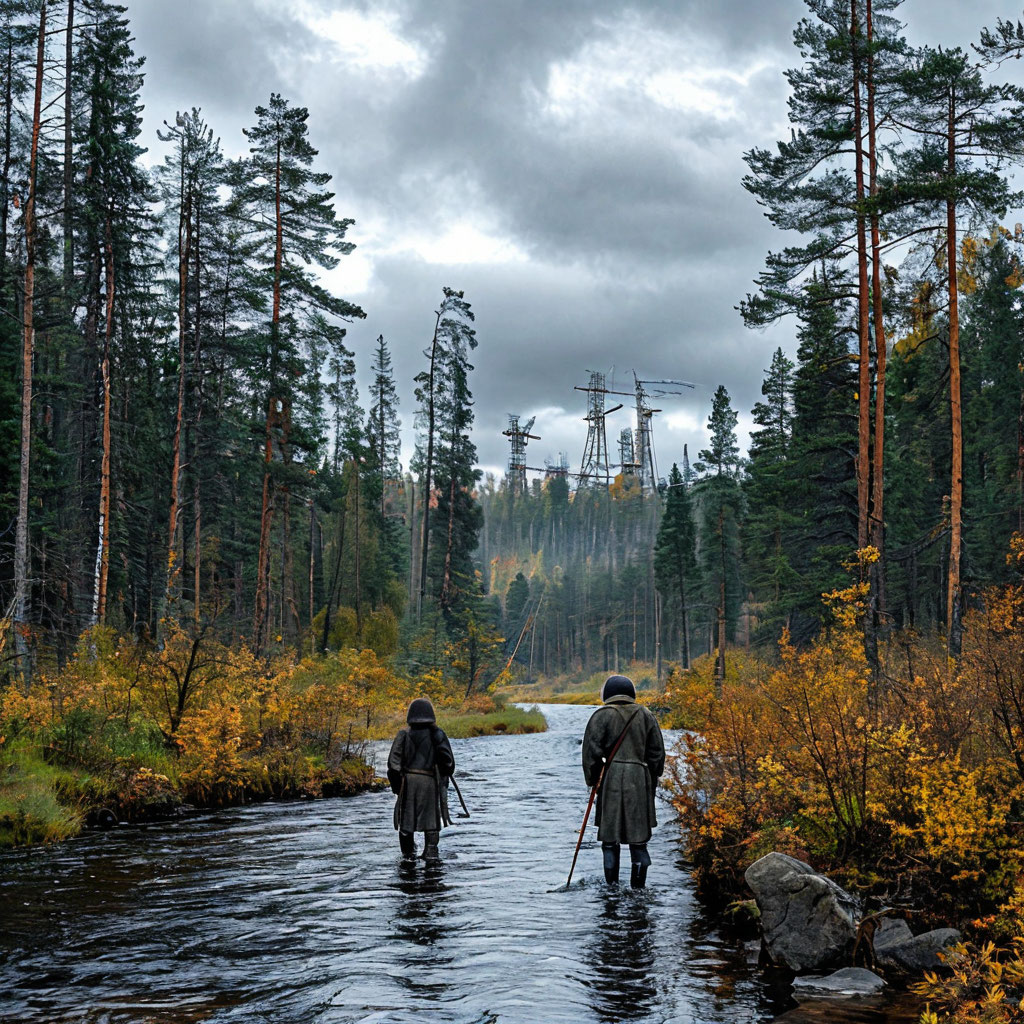
Imagine a time when Russia’s vast expanse was dotted with untamed forests and rugged mountains, and the Ural region was a frontier of untapped potential. In the early 18th century, this land was about to witness the birth of a city that would become a cornerstone of Russian industry and culture: Yekaterinburg.
The Visionaries: Tatishchev and de Gennin
In 1720, Tsar Peter the Great, eager to modernize Russia, dispatched two remarkable men to the Urals: Vasily Tatishchev and Georg Wilhelm de Gennin. Tatishchev, a statesman and historian, was tasked with revitalizing the mining industry. His keen eye recognized the potential of the Iset River, rich in ore and surrounded by dense forests, ideal for establishing a new ironworks. However, his ambitious plans faced resistance, leading to his recall in 1721.
Enter Georg Wilhelm de Gennin, a German-born military officer and engineer. Appointed in 1722, de Gennin shared Tatishchev’s vision. By March 1723, he had resumed construction of the ironworks along the Iset River, laying the foundation for what would become Yekaterinburg. The city was named in honor of Catherine I, the wife of Peter the Great, symbolizing the union of Russian and European influences.
The Fortress and the Ironworks
As the ironworks took shape, so did the Yekaterinburg Fortress. Built in 1723, this earthwork fortification served as both a military stronghold and a symbol of the city’s strategic importance. The fortress’s design, with its wooden palisades and defensive ditches, reflected the era’s architectural ingenuity. Over time, it expanded, encompassing the growing settlement and shaping the city’s early urban landscape.
The ironworks itself was a marvel of its time. Utilizing the abundant resources of the Iset River, it produced high-quality iron that fueled Russia’s industrial ambitions. The combination of the fortress and the ironworks not only secured the region but also established Yekaterinburg as a vital link between Europe and Asia, earning it the moniker “window to Asia.”
The Legacy of Yekaterinburg
Fast forward to today, and Yekaterinburg stands as Russia’s fourth-largest city, a vibrant hub of culture and industry. The echoes of Tatishchev and de Gennin’s vision are evident in its dynamic economy and rich cultural heritage. Monuments honoring these founders, such as the one along Lenin Avenue, serve as reminders of the city’s storied past.
Yekaterinburg’s journey from a frontier settlement to a bustling metropolis is a testament to the foresight of its founders and the enduring spirit of innovation. Their story is not just about iron and fortifications but about the forging of a city that bridges continents and cultures, embodying the resilience and vision that continue to define Russia today.
