
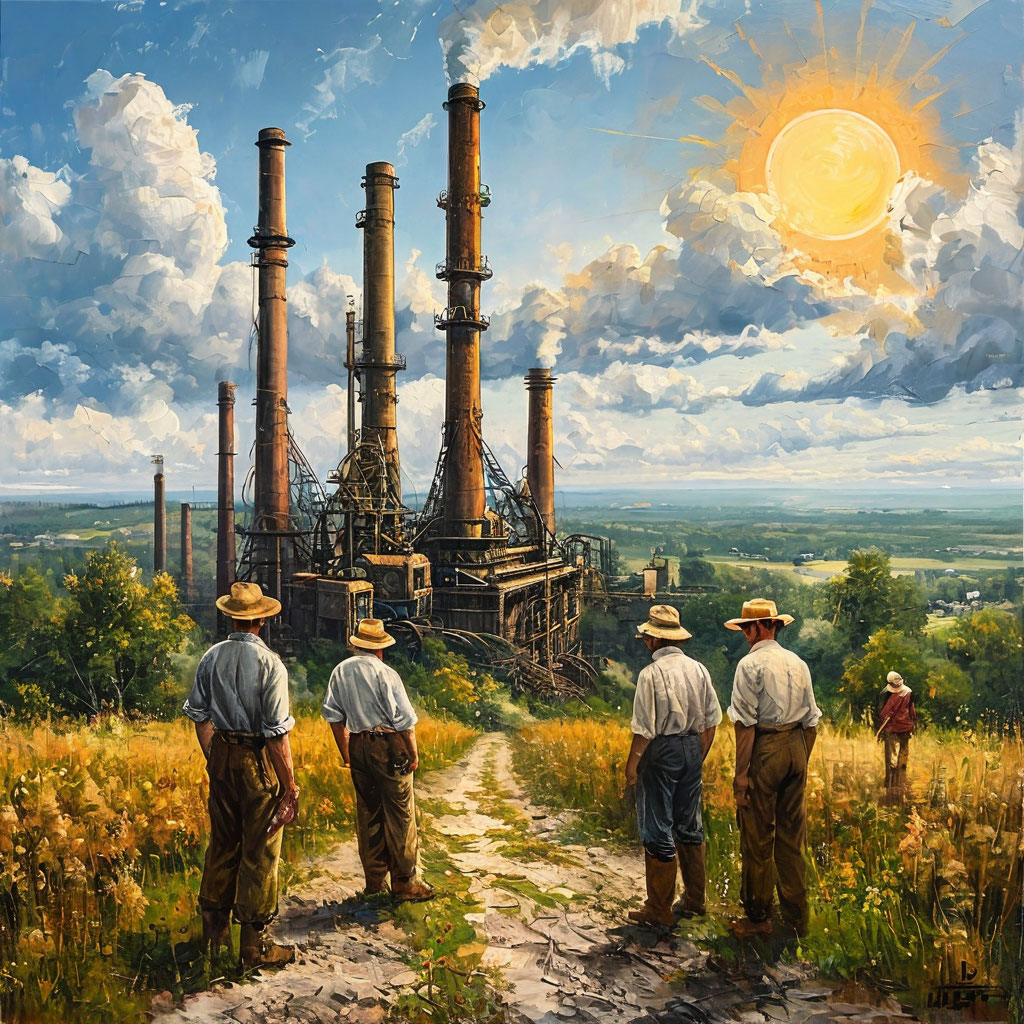
The Impact of the 1861 Emancipation Reform on Ural Factories
Imagine a vast expanse of forests and mountains, stretching from the Volga River to the Siberian steppes. This is the Ural region, a land rich in minerals and history. In the 19th century, the Urals were the industrial heartland of Russia, pulsating with the rhythm of factories and the labor of countless workers. But in 1861, a monumental change swept across the Russian Empire—the Emancipation Reform, which freed millions of serfs. How did this seismic shift affect the factories of the Urals? Let’s embark on a journey to uncover the story.
The Emancipation Reform: A New Dawn
On February 19, 1861, Tsar Alexander II issued the Emancipation Manifesto, liberating over 23 million serfs from the shackles of feudal bondage. This decree granted them the rights to marry without consent, own property, and engage in business. However, the land allotted to them was often insufficient, leading to economic hardships and unrest. The Bezdna Unrest in April 1861, where thousands of peasants rose against perceived injustices, was a testament to the turmoil of the times. ([en.wikipedia.org](https://en.wikipedia.org/wiki/Bezdna_unrest?utm_source=openai))
The Ural Factories: A Tapestry of Transformation
Before the reform, the Urals were a mosaic of ironworks, textile mills, and mining operations, many relying on serf labor. The Emancipation Reform acted as a catalyst, propelling the region into a new industrial era. Let’s delve into how this transformation unfolded.
Labor Dynamics: From Serfs to Free Workers
The immediate aftermath of emancipation saw a shift in the labor landscape. Former serfs, now free, sought employment in the burgeoning factories. In Izhevsk, for instance, the Izhevsky Zavod arms factory, established in 1760, underwent significant changes. After the reform, the factory’s serfs gained their freedom and self-governance, leading to the formation of two volosts (rural administrative units): Nagornaya Volost and Zarechnaya Volost. Each had its own administration, reflecting a move towards self-management. ([en.wikipedia.org](https://en.wikipedia.org/wiki/Izhevsk?utm_source=openai))
However, the transition was not without challenges. The factory’s management, skilled artisans, and administrative professionals formed a privileged class, while the majority of workers faced economic hardships. This stratification influenced the settlement patterns, with wealthier individuals residing in better conditions, while the working class often lived in less favorable areas. ([en.wikipedia.org](https://en.wikipedia.org/wiki/Izhevsk?utm_source=openai))
Industrial Expansion: A Surge in Production
The newfound freedom of the labor force coincided with a surge in industrial activity. The Urals witnessed the establishment of new factories and the expansion of existing ones. The region’s rich mineral resources, including iron ore, coal, and precious metals, provided the raw materials necessary for industrial growth. Cities like Yekaterinburg, Perm, and Izhevsk became bustling industrial centers, producing everything from weapons to textiles. ([en.wikipedia.org](https://en.wikipedia.org/wiki/Ural_%28region%29?utm_source=openai))
Notably, the development of the chemical industry in Berezniki and the establishment of mechanical factories in Yekaterinburg and Perm marked significant milestones. These advancements not only bolstered the local economy but also integrated the Urals more deeply into the global industrial network. ([en.wikipedia.org](https://en.wikipedia.org/wiki/Ural_%28region%29?utm_source=openai))
Social Unrest: The Price of Progress
Despite the industrial boom, the benefits were not evenly distributed. The rapid expansion led to overcrowded urban centers, poor working conditions, and a growing divide between the industrial elite and the working class. The exploitation of factory workers gave rise to social democratic committees that demanded better working conditions and rights. These movements gained momentum, especially during periods of political upheaval in the 1910s. ([en.wikipedia.org](https://en.wikipedia.org/wiki/Ural_%28region%29?utm_source=openai))
The Legacy: A Region Transformed
The Emancipation Reform of 1861 was a turning point for the Ural factories. It dismantled the feudal system, introduced a free labor force, and set the stage for rapid industrialization. The region’s transformation was marked by both progress and challenges, reflecting the complexities of modernization. Today, the Urals stand as a testament to resilience and adaptation, their factories echoing the stories of those who toiled to shape the industrial landscape of Russia.
As we reflect on this period, we gain insight into the intricate interplay between social reforms and industrial development. The Urals’ journey from serfdom to industrialization offers valuable lessons on the human spirit’s capacity to adapt and thrive amidst change.
