The Chusovoy Metallurgical Plant: A Pillar of Ural Industry
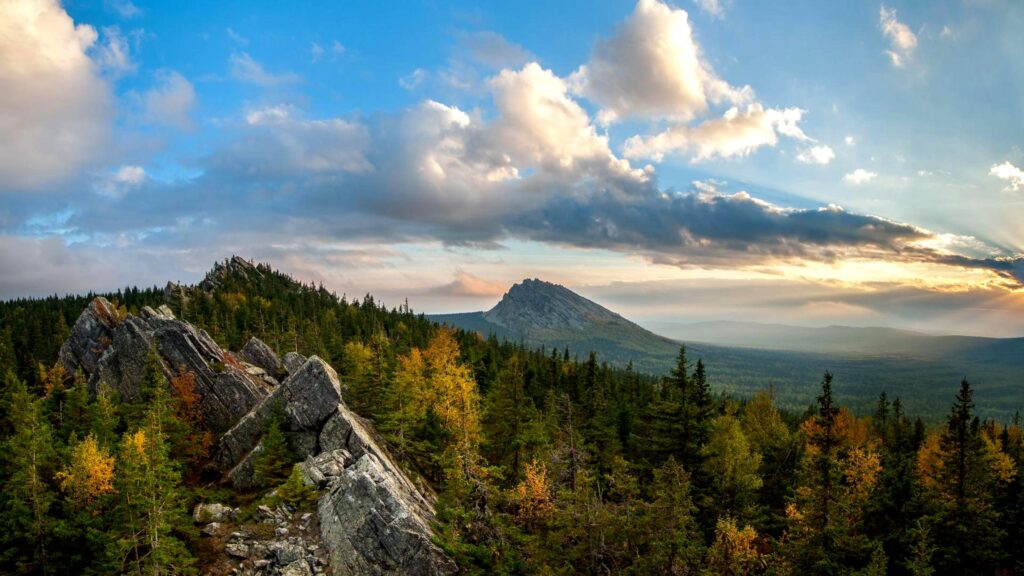
Imagine standing on the banks of the Chusovaya River, watching the waters flow past the town of Chusovoy in Russia’s Perm Krai. This serene landscape belies a rich industrial history that has shaped the region’s identity. Let’s journey back to the late 19th century to uncover the origins of the Chusovoy Metallurgical Plant, a cornerstone of Ural’s industrial heritage.
The Birth of Chusovoy
In 1878, the Russian Empire embarked on an ambitious project to connect its vast territories through the Gornozavodsk railway. This railway was not just a means of transportation; it was a lifeline that spurred economic growth and industrialization. Along its path, nestled at the confluence of the Usva and Vilva Rivers with the Chusovaya River, a new settlement began to take shape. This settlement, which would later be known as Chusovoy, was destined to become a hub of metallurgical activity.
The Rise of Metallurgy in the Urals
The Ural Mountains have long been synonymous with metallurgy. In the early 18th century, the Demidov family, under the guidance of Peter the Great, established numerous ironworks in the region. By 1740, their factories produced about 64% of all Ural and 46% of Russian iron. This industrial prowess laid the foundation for the Ural’s reputation as a metallurgical powerhouse. ([en.wikipedia.org](https://en.wikipedia.org/wiki/History_of_metallurgy_in_the_Urals?utm_source=openai))
The Chusovoy Metallurgical Plant Takes Shape
As the Gornozavodsk railway began to take form, the strategic location of Chusovoy made it an ideal site for a new metallurgical plant. The town’s proximity to abundant natural resources, coupled with the transportation infrastructure, provided the perfect conditions for industrial development. The establishment of the Chusovoy Metallurgical Plant was not just a business venture; it was a testament to the region’s industrial ambition and vision.
Industrial Growth and Community Development
The Chusovoy Metallurgical Plant quickly became a cornerstone of the local economy. It attracted workers from various parts of Russia, leading to a population boom. By 1933, Chusovoy was granted town status, reflecting its rapid growth and significance. The plant’s operations not only fueled the industrialization of the region but also fostered a sense of community and shared purpose among its residents.
Environmental Challenges and Legacy
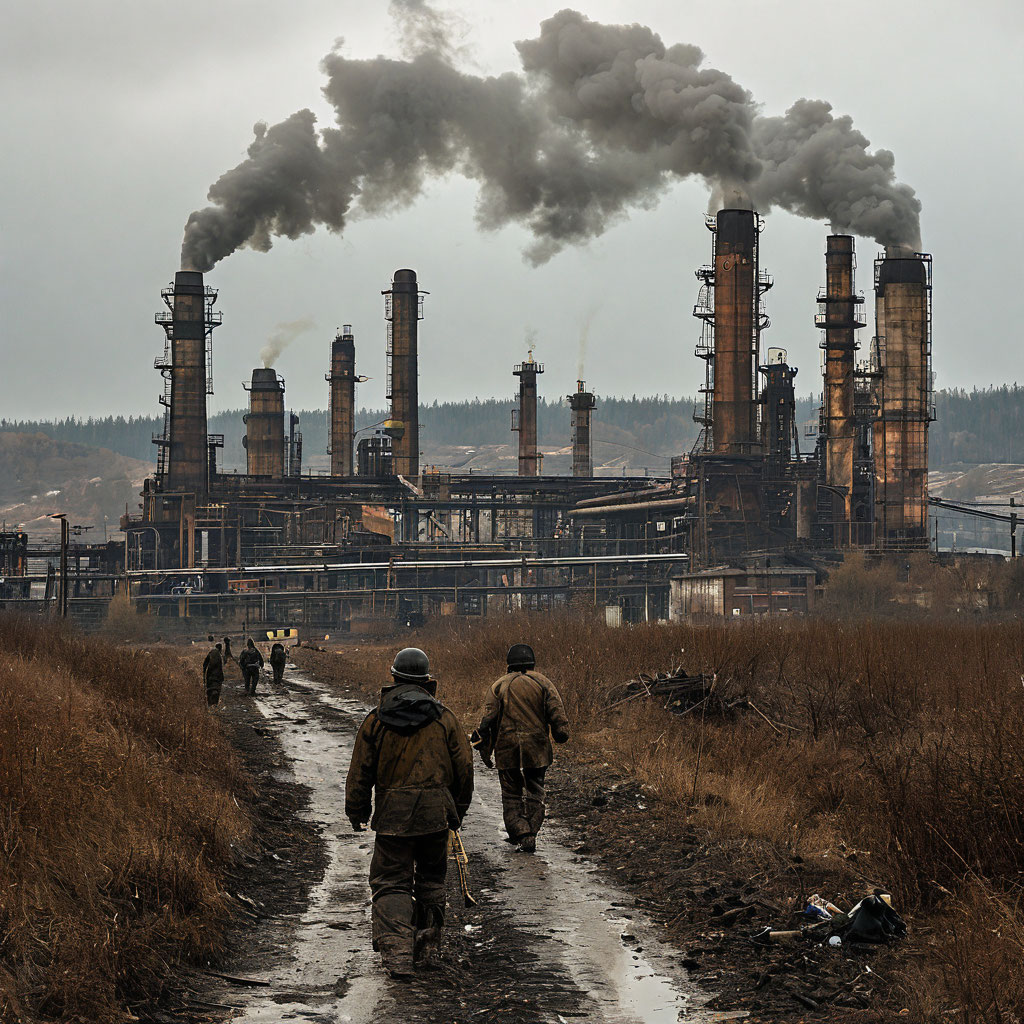
With industrial growth came environmental challenges. The Chusovaya River, once a pristine waterway, began to show signs of pollution. Studies revealed elevated levels of copper, manganese, and other contaminants, primarily due to industrial activities. This environmental impact serves as a reminder of the delicate balance between industrial progress and ecological preservation. ([en.wikipedia.org](https://en.wikipedia.org/wiki/Chusovaya?utm_source=openai))
Chusovoy Today: A Living Legacy
Today, Chusovoy stands as a testament to the resilience and industrious spirit of its people. The Chusovoy Metallurgical Plant continues to operate, albeit with modernized technologies aimed at reducing environmental impact. The town has evolved, blending its rich industrial heritage with contemporary life. Visitors can explore the remnants of its industrial past while enjoying the natural beauty of the Chusovaya River and the surrounding landscapes.
Conclusion
The story of the Chusovoy Metallurgical Plant is more than just a tale of steel and industry; it’s a narrative of human ambition, environmental stewardship, and community spirit. As you reflect on this journey through time, consider how the echoes of the past continue to shape the present and future of Chusovoy and the Ural region.
